




Professional chocolate decoration separates ordinary desserts from extraordinary culinary masterpieces. Understanding the distinction between chocolate curls vs shavings empowers pastry chefs and home bakers to elevate their creations with sophisticated finishing touches that demonstrate technical mastery and artistic vision.
The Key Differences Between Chocolate Curls and Shavings
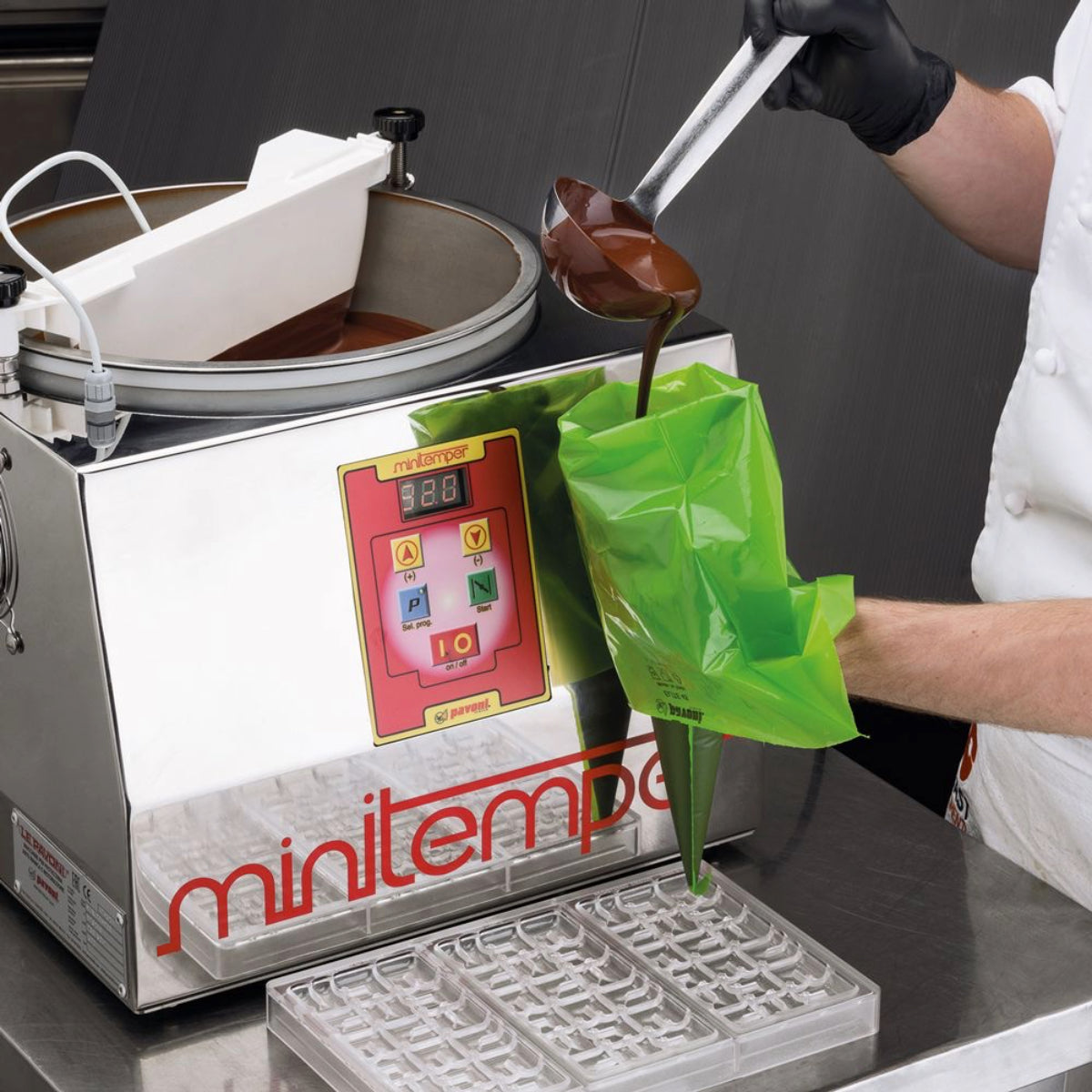
Chocolate curls are elegant, three-dimensional decorative elements created by drawing a sharp tool across properly tempered chocolate at the ideal temperature. These spiraled formations add height, texture, and visual drama to cakes, mousses, and plated desserts. The curling action occurs when slightly softened chocolate is scraped in a controlled motion, causing thin layers to naturally roll into cylindrical shapes.
Chocolate shavings, by contrast, are flatter, more delicate fragments produced by grating or shaving chocolate with less controlled pressure. These wispy pieces create a snow-like effect perfect for dusting desserts, coating truffle exteriors, or adding subtle chocolate accents without overwhelming other design elements.
The fundamental difference lies in temperature control and tool selection. Chocolate curls require chocolate warmed to approximately 85-90°F (29-32°C)—soft enough to bend without breaking yet firm enough to hold shape. Shavings work best with colder chocolate at 60-70°F (15-21°C), producing thinner, more fragile pieces that scatter beautifully across dessert surfaces.

Essential Tools for Creating Perfect Chocolate Decorations
Professional chocolate work demands specialized equipment designed for precision and consistency. The right tools transform challenging techniques into manageable processes that yield reliable results.
For Chocolate Curls:
- Decorating combs and scrapers with varying blade widths
- Professional chocolate scrapers with rigid stainless steel construction
- Offset spatulas for spreading chocolate evenly
- Marble slabs that maintain consistent cool temperatures
For Chocolate Shavings:
- Box graters with different perforation sizes
- Vegetable peelers with sharp, straight blades
- Rigid plastic scrapers for controlled pressure
- Microplane zesters for ultra-fine chocolate powder
The quality of your chocolate directly impacts results. Premium couverture chocolate with higher cocoa butter content (32-39%) creates smoother curls with better structural integrity. At Zucchero Canada, our selection includes Venezuelan dark chocolate and specialty compounds formulated specifically for decorative work.
How to Make Chocolate Curls: Step-by-Step
Creating perfect chocolate curls requires patience, proper temperature management, and consistent technique. Begin by melting high-quality couverture chocolate using a double boiler, then temper it properly for glossy finish and snappy texture. Spread tempered chocolate onto a clean marble slab in a thin, even layer approximately 1/8 inch thick.
Allow the chocolate to set until it reaches the optimal working temperature where it appears matte but still yields slightly to touch. Hold your scraper or large offset spatula at a 45-degree angle to the chocolate surface. Apply firm, steady pressure while pushing the tool away from your body in one smooth motion. The chocolate should naturally curl upward as it's released from the surface.
If the chocolate cracks instead of curling, it's too cold—allow it to warm slightly. If it smears without forming curls, it's too warm and needs additional setting time. Professional pastry chefs create curls in various widths for visual interest. Wide curls (2-3 inches) make dramatic statement pieces, while narrow curls (1/4-1/2 inch) work beautifully for delicate garnishes.

How to Make Chocolate Shavings: Simple Techniques
Chocolate shavings offer versatility and ease compared to curls, making them accessible for bakers at all skill levels while still delivering professional results. Chill a block of chocolate in the refrigerator for 30 minutes—not frozen, but firmly set. Hold the chocolate block over your work surface or directly over the dessert you're decorating.
Using a vegetable peeler or angular plastic spatula, draw the tool across the chocolate surface with moderate pressure. The chocolate will naturally break into thin, irregular shavings. Vary your pressure to create different thicknesses—lighter pressure yields delicate, transparent shavings while firmer pressure produces more substantial pieces.
For finer shavings resembling snow, use a box grater's medium or fine side. This technique works exceptionally well for coating truffle exteriors or creating textured bases for plated desserts. Freeze the chocolate block for 15 minutes before grating to prevent hand warmth from melting the chocolate during the process.
Chocolate Curls vs Shavings: Quick Comparison
|
Aspect |
Chocolate Curls |
Chocolate Shavings |
|
Temperature |
85-90°F (29-32°C) |
60-70°F (15-21°C) |
|
Texture Needed |
Slightly softened |
Firm, well-chilled |
|
Tools |
Scrapers, spatulas |
Peelers, graters |
|
Visual Effect |
3D, dramatic height |
Flat, delicate |
|
Difficulty |
Intermediate-advanced |
Beginner-friendly |
|
Best For |
Cake tops, showpieces |
Coating, dusting |
|
Storage Time |
2-3 weeks |
1-2 weeks |
When to Use Chocolate Curls
Wedding cakes and celebration desserts benefit dramatically from chocolate curls' architectural presence. Their vertical dimension creates focal points that draw the eye upward, adding perceived value and sophistication. Position large curls asymmetrically on cake tops or create cascading arrangements that suggest movement and energy.
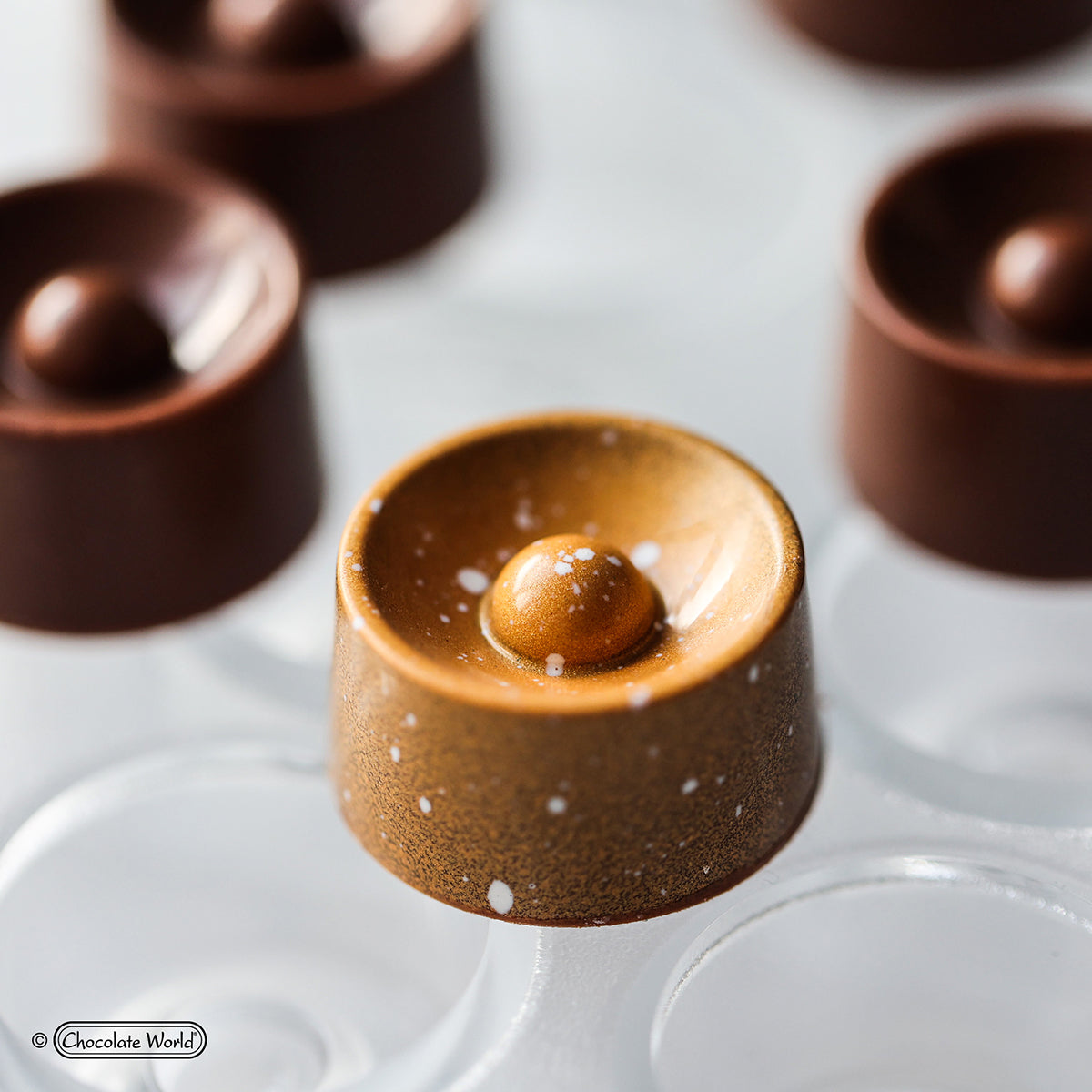
Plated restaurant desserts utilize curls as standalone garnishes that balance compositional elements—a single perfectly formed curl beside a slice of torte communicates technical excellence. For individual 3D chocolate molds and bonbons, small tight curls add textural contrast against smooth chocolate shells.
When to Use Chocolate Shavings
Subtle elegance matters more than dramatic impact with chocolate shavings. Scatter them across panna cotta or dust over crème brûlée to add chocolate flavor and visual texture without competing with the dessert's primary characteristics. Their delicate nature makes them ideal for lighter desserts where heavy decoration would feel inappropriate.
Truffle coating represents shavings' signature application—rolling ganache centers in fine chocolate shavings creates rustic, artisanal appearance that suggests handcrafted quality. The irregular texture catches light beautifully while providing flavor in every bite. For ice cream presentations, shavings melt gradually on contact, creating dynamic visual transformation.

Adding Color to Chocolate Decorations
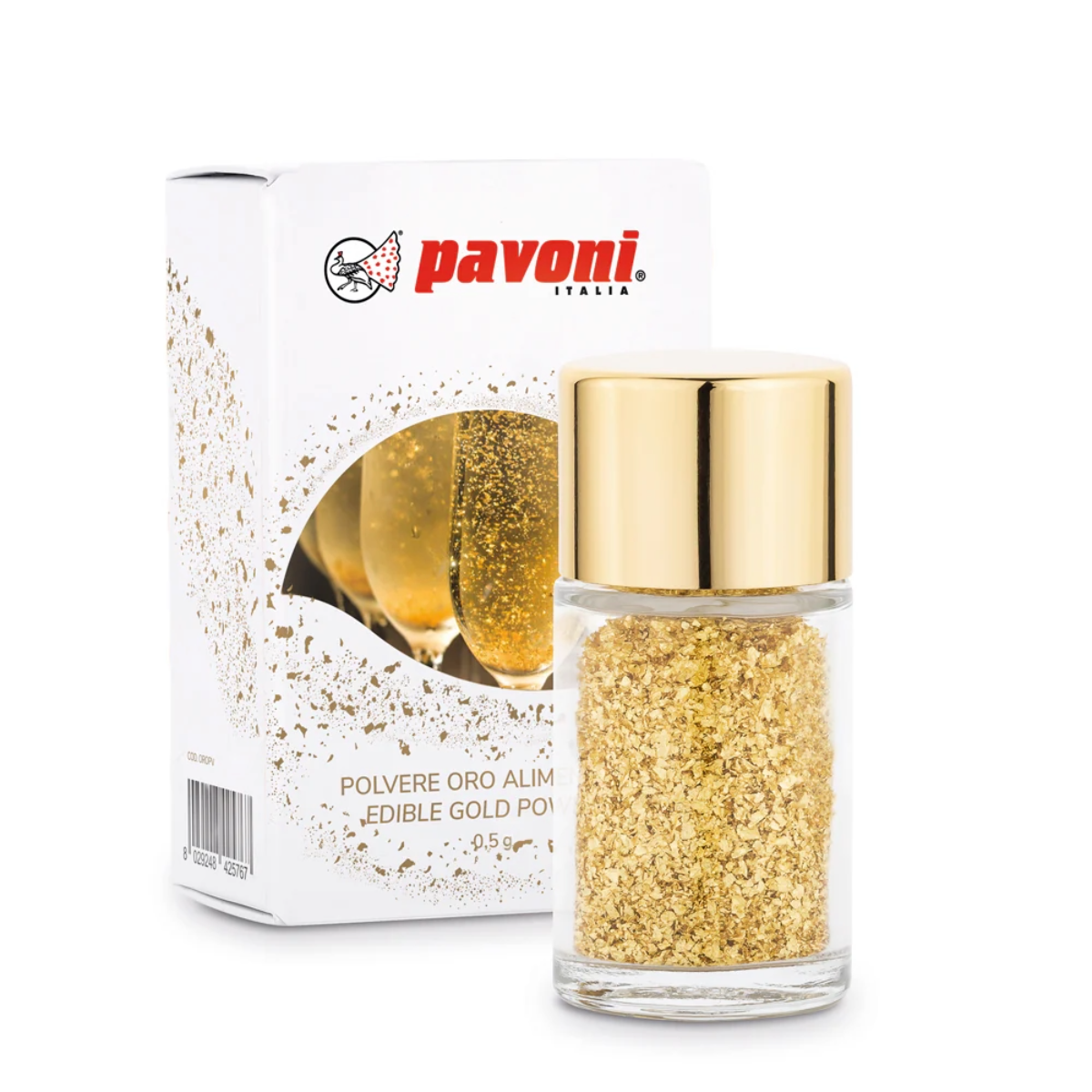
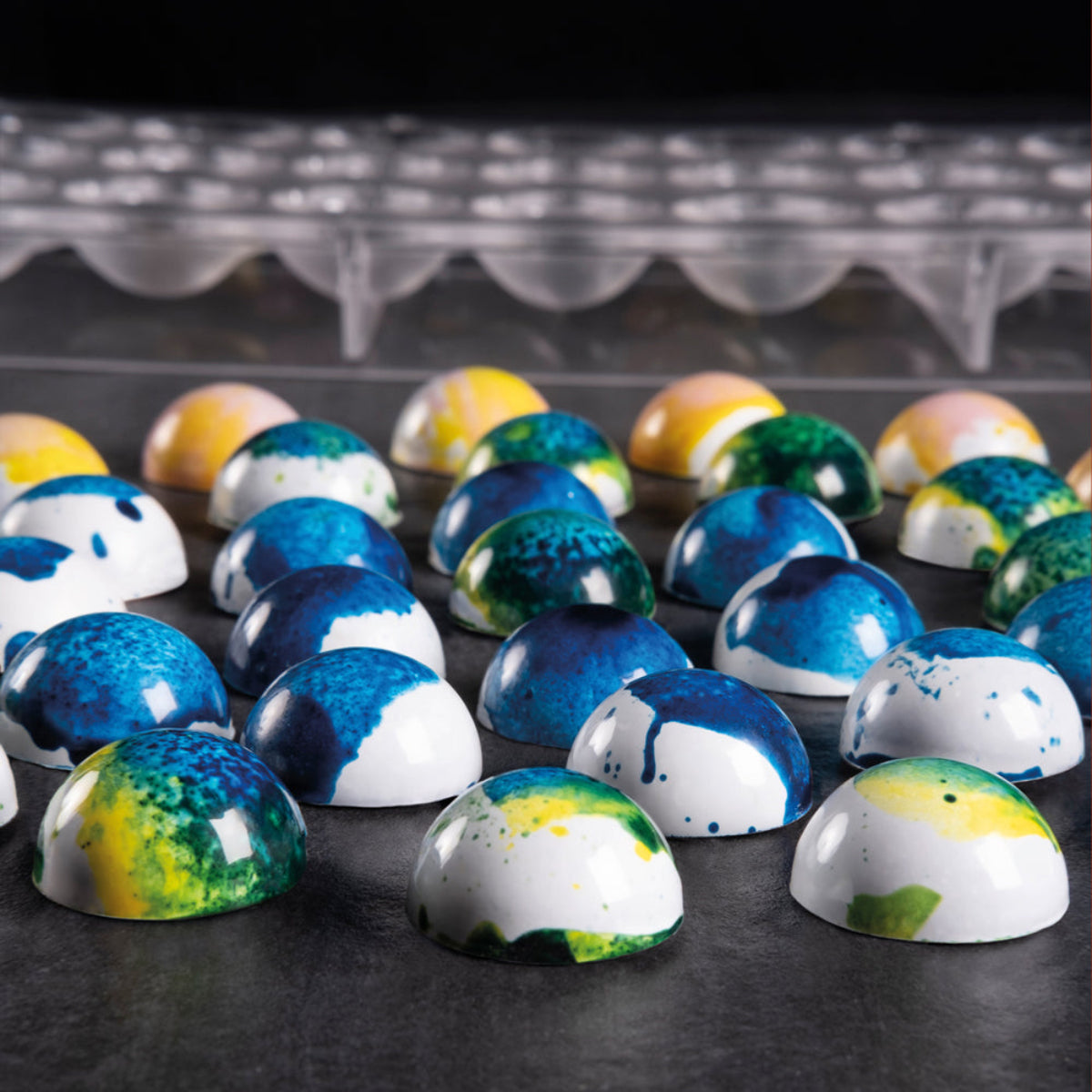
Modern pastry presentation increasingly incorporates color as a fundamental design element. The complete Pavoni Italia professional color collection offers fat-soluble and water-soluble options specifically formulated for chocolate work, maintaining proper crystallization while delivering vibrant hues.
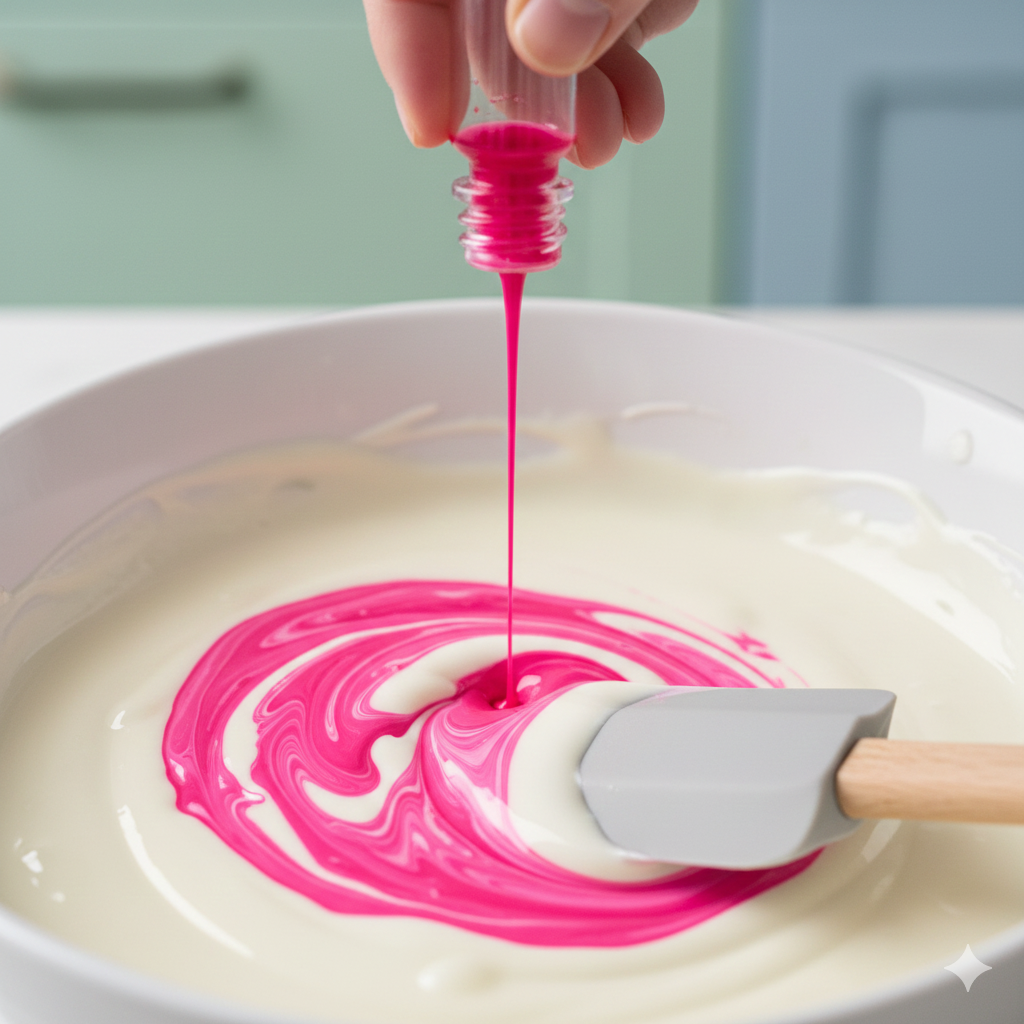
Incorporate Pavoni fat-soluble powders directly into white chocolate during tempering—apple green, ruby red, or brilliant bronze transform ordinary curls into statement pieces. The powders integrate seamlessly without affecting chocolate's texture or snap. For ombré effects, partially mix the colorant, creating marbled appearance that adds depth and visual complexity.
The revolutionary KREA Swiss spray gun system, now available through Zucchero Canada, enables professional-grade color application with unprecedented precision. Create custom-colored shavings by spraying tempered chocolate sheets with metallic Pavoni colors before shaving—the result resembles precious metal fragments that elevate any dessert presentation. These heated airless spray systems maintain chocolate at optimal viscosity for even coating without manual temperature management.
Troubleshooting Common Problems
Chocolate curls crack instead of forming spirals: This indicates chocolate temperature too cold for curling. Allow the chocolate to warm slightly—even 2-3 degrees Fahrenheit makes significant difference. Briefly warm your scraper under hot water, dry thoroughly, and retry.
Shavings melt upon contact: Both the chocolate and your hands are too warm. Chill the chocolate block thoroughly and work quickly in short intervals. Consider using disposable pastry gloves to prevent hand warmth from transferring to delicate shavings.
Inconsistent curl sizes: This stems from uneven chocolate thickness on your spreading surface. Use rigid scrapers to spread chocolate precisely, checking thickness until you develop muscle memory.
Colored chocolate won't temper properly: Excessive colorant disrupts chocolate's crystallization structure. Follow Pavoni's recommended ratios carefully—typically 1-3% colorant by weight delivers vibrant color without compromising texture. For intense hues, build color gradually through multiple thin applications using KREA Swiss spray technology.
Storage and Handling Tips
Store both curls and shavings in rigid airtight containers lined with parchment paper. Layer decorations carefully with additional parchment between levels to prevent breakage. Maintain storage temperature between 60-65°F (15-18°C) in a dry environment—humidity causes sugar bloom (white crystallization) that ruins appearance.
Never refrigerate chocolate decorations, as temperature fluctuation creates condensation that dissolves the chocolate surface, leaving dull, streaky finish. For transport, use shallow containers that minimize movement. Professional operations often utilize display cases designed specifically for delicate chocolate work.
Handle decorations minimally and always with cool, dry hands or clean tweezers. Each touch transfers warmth and oils that dull chocolate's glossy finish.
Choosing the Right Chocolate
Premium couverture contains minimum 32% cocoa butter, providing the fluidity necessary for thin spreading and the structural integrity for curl formation. Dark chocolate with 55-70% cocoa content offers robust flavor and stable crystallization, making it ideal for curls that must maintain shape at room temperature.
White chocolate serves as the perfect canvas for color experimentation using Pavoni's extensive color range. Its neutral flavor complements rather than competes with dessert components, while its ivory base accepts colorants beautifully. For shavings intended to coat truffles, milk chocolate with 33-38% cocoa content provides balanced sweetness.
Zucchero Canada offers specialty compounds formulated explicitly for decorative work—these products incorporate stabilizers that extend working time and increase forgiveness for less experienced decorators while maintaining professional appearance.
Mastering the art of chocolate curls vs shavings elevates your pastry presentations from ordinary to extraordinary. Whether creating dramatic curls for celebration cakes or delicate shavings for plated desserts, understanding proper techniques, temperature control, and tool selection ensures consistent professional results. Invest in quality equipment from Zucchero Canada, experiment with Pavoni professional colors, and explore advanced application methods with KREA Swiss spray systems to create stunning chocolate decorations that showcase your technical skill and artistic vision.
References:
Callebaut, B. (2023). The art of chocolate decoration: Professional techniques for pastry chefs. Barry Callebaut Academy.
Greweling, P. (2024). Chocolates and confections: Formula, theory, and technique for the artisan confectioner (3rd ed.). John Wiley & Sons.
Hermé, P. (2022). Chocolate: Recipes and techniques from the Ferrandi School of Culinary Arts. Flammarion.
Morato, R. (2023). Advanced chocolate work: Contemporary approaches to classic techniques. Chocolate Academy Center.
Pavoni Italia. (2024). Professional guide to coloring chocolate and confections. https://pavonitalia.com/en/collections/professional-collezioni-colori-e-materie-prime














Leave a comment
All comments are moderated before being published.
This site is protected by hCaptcha and the hCaptcha Privacy Policy and Terms of Service apply.