
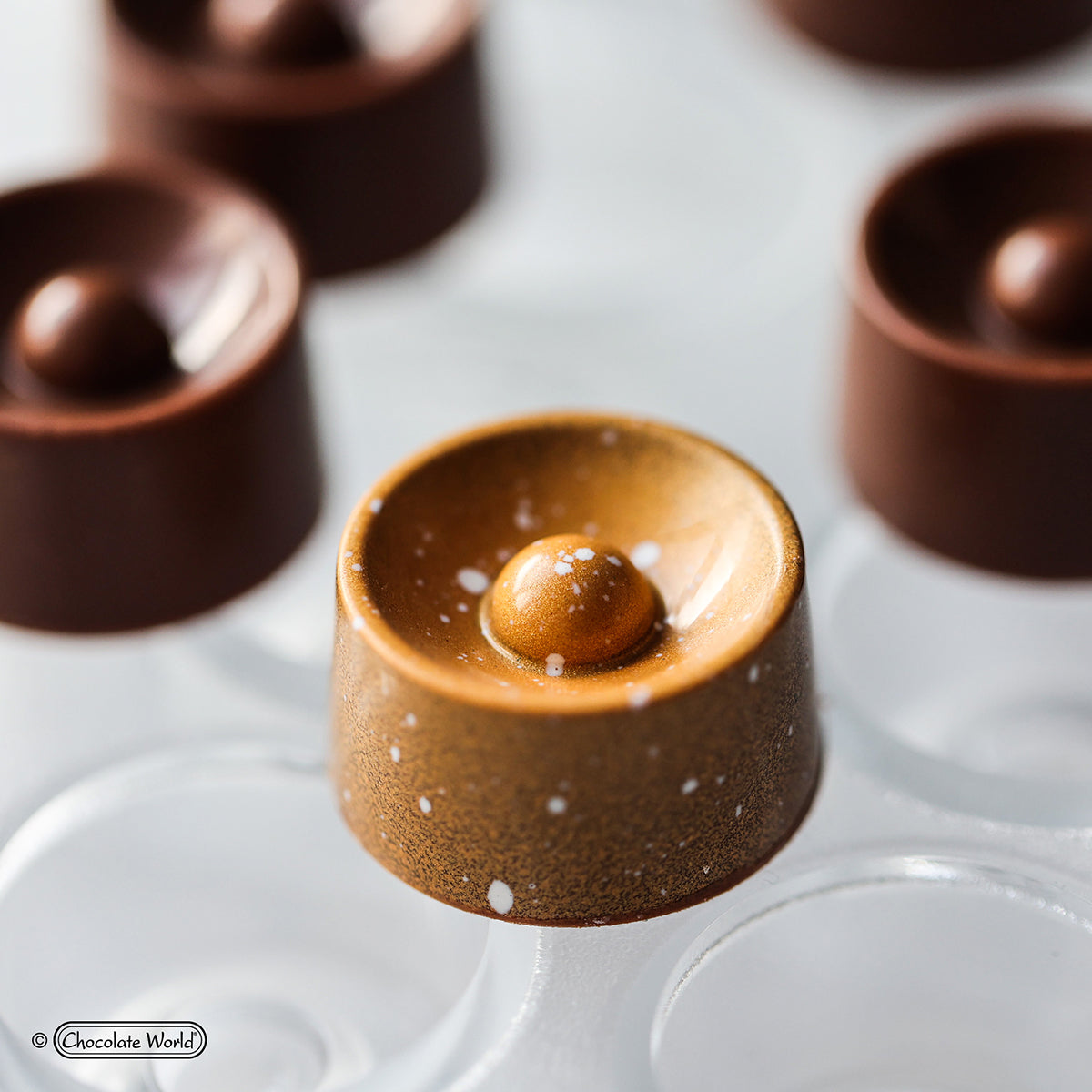
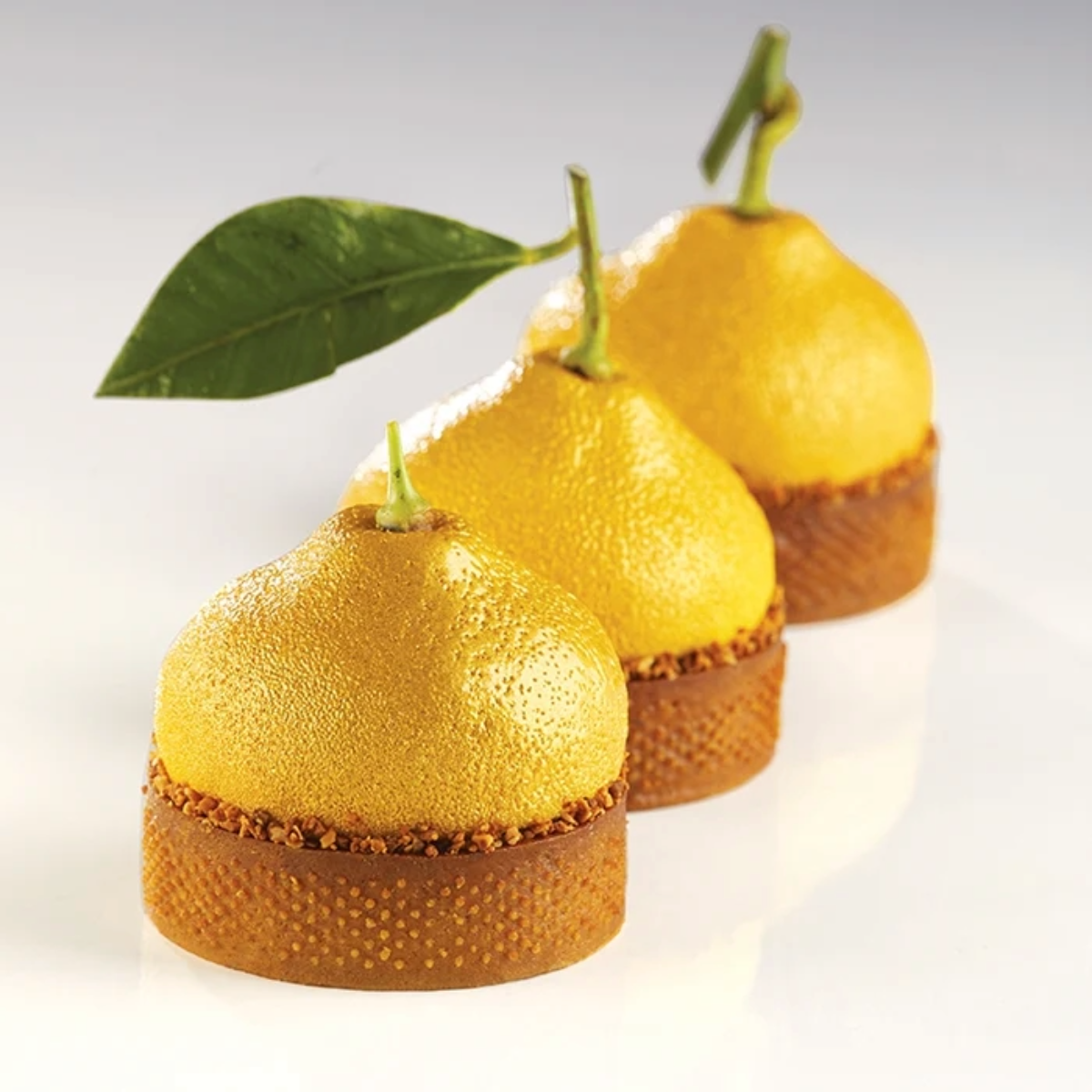
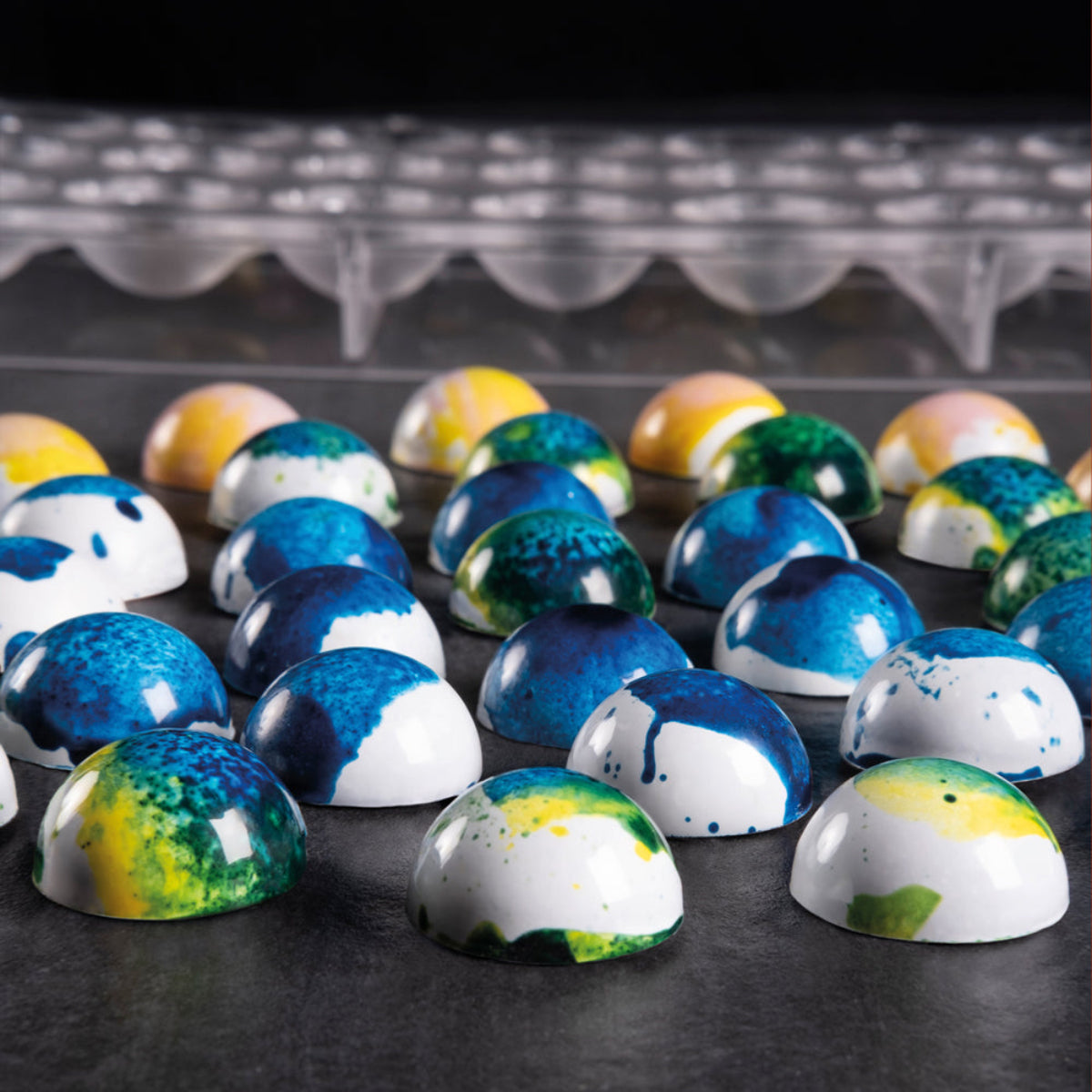



Transform plain chocolate shells into vibrant masterpieces using colored cocoa butter—the professional's choice for decoration that integrates seamlessly with chocolate rather than sitting atop it. Unlike water-based food colors that bead and separate on chocolate's fat-based surface, cocoa butter coloring bonds naturally, creating permanent designs that won't smudge, fade, or transfer during handling. For chocolatiers producing bonbons worthy of gallery display or pastry chefs finishing entremet cakes with precision, cocoa butter colors deliver the control and permanence that define professional work.
Why Cocoa Butter Colors Outperform Alternatives
Chemical compatibility makes cocoa butter the only sensible chocolate coloring medium. Chocolate consists primarily of cocoa butter and cocoa solids—adding more cocoa butter simply reinforces existing structure rather than introducing foreign substances that compromise texture or stability. This natural integration means colors remain stable through temperature changes, storage periods, and handling that would destroy surface-applied alternatives.
Application versatility spans techniques from delicate painting to bold airbrushing. Warm cocoa butter colors flow smoothly through airbrush systems, creating gradients and effects impossible with brushes. Alternatively, artists apply colors directly with fine brushes for detailed hand-painting, building intricate designs layer by layer. The colored cocoa butter collection offers extensive palettes supporting any decorative approach.
Temperature stability preserves designs throughout chocolate's working life. Water-based colors melt or smear at temperatures where chocolate remains stable, limiting their usefulness in professional settings. Cocoa butter colors withstand the warmth of display cases, shipping conditions, and even brief handling without degradation, ensuring pieces arriving at customers look identical to when they left your kitchen.
Flavor neutrality maintains chocolate integrity. Adding colored cocoa butter doesn't introduce off-flavors that compete with carefully developed chocolate profiles. Your signature ganache tastes exactly as intended whether underneath white, red, or metallic gold surfaces—colors enhance visual appeal without compromising the taste experiences that define quality chocolate.
Building Your Color Palette Strategically
Essential Foundation Colors
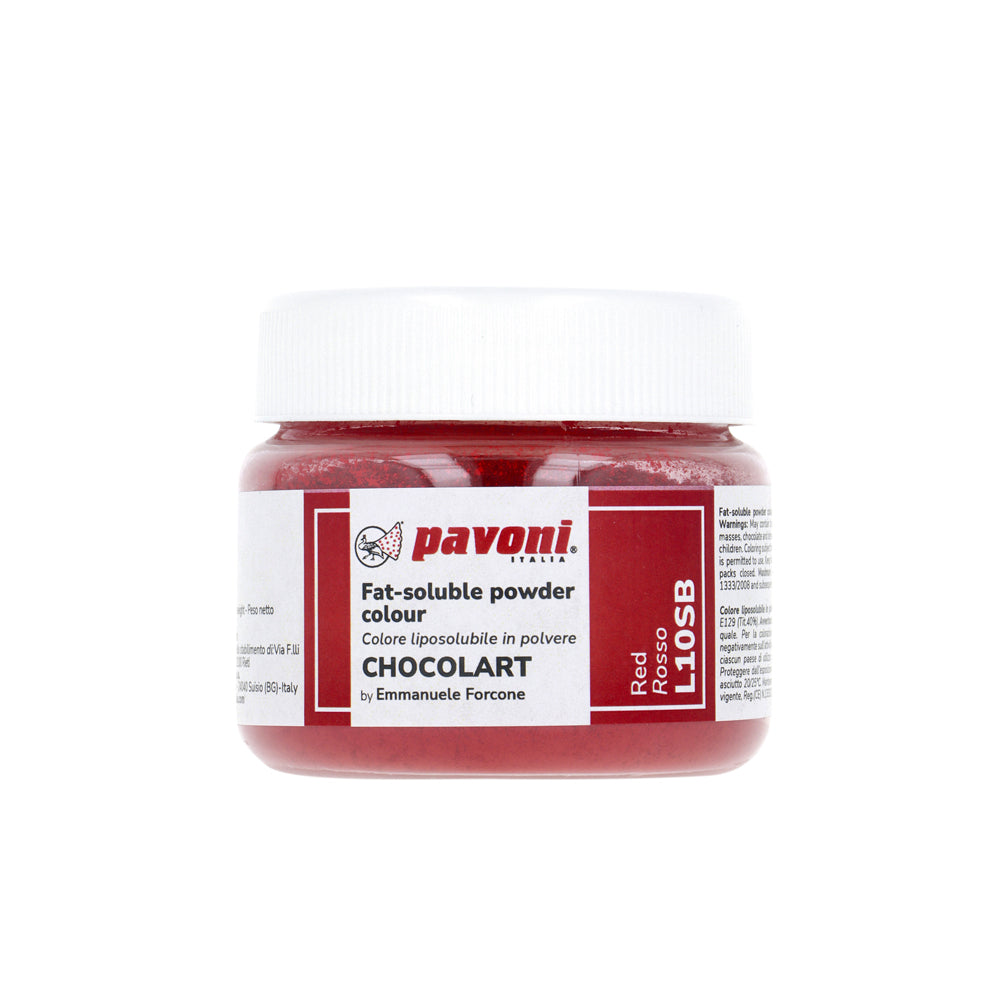
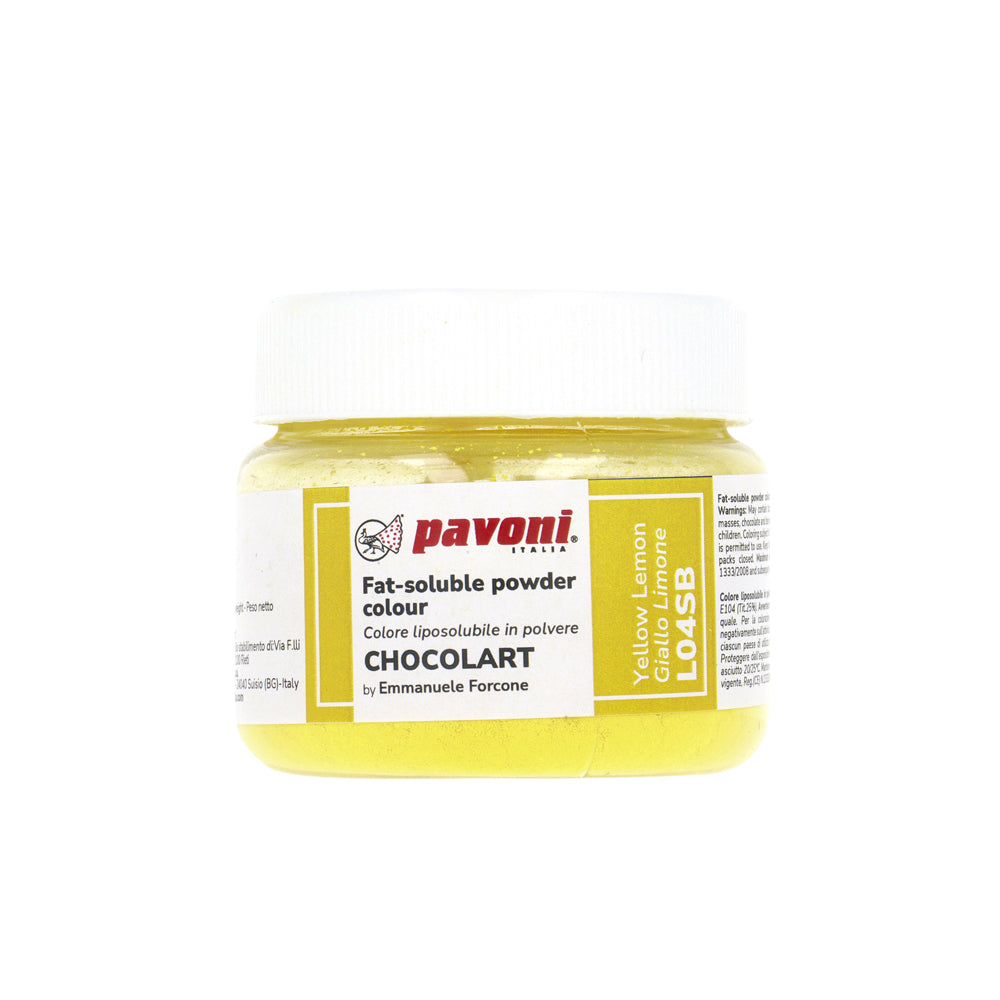
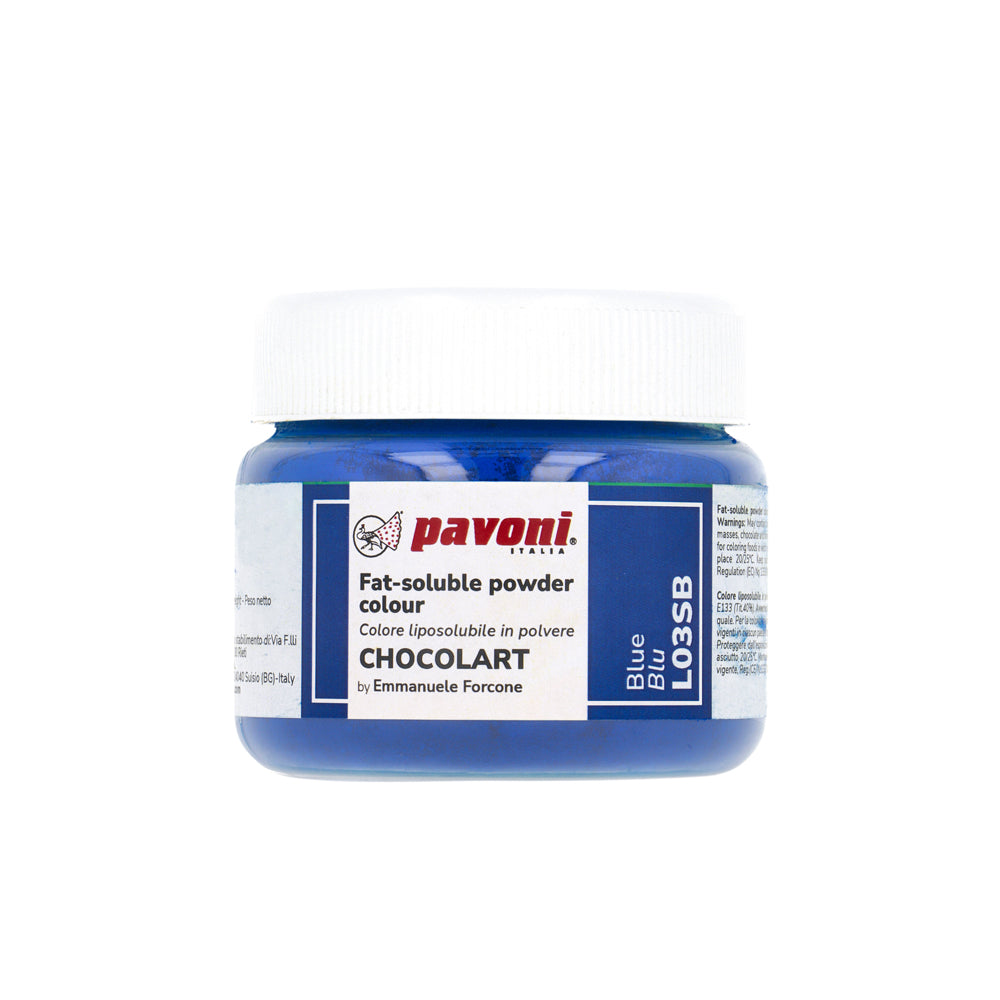
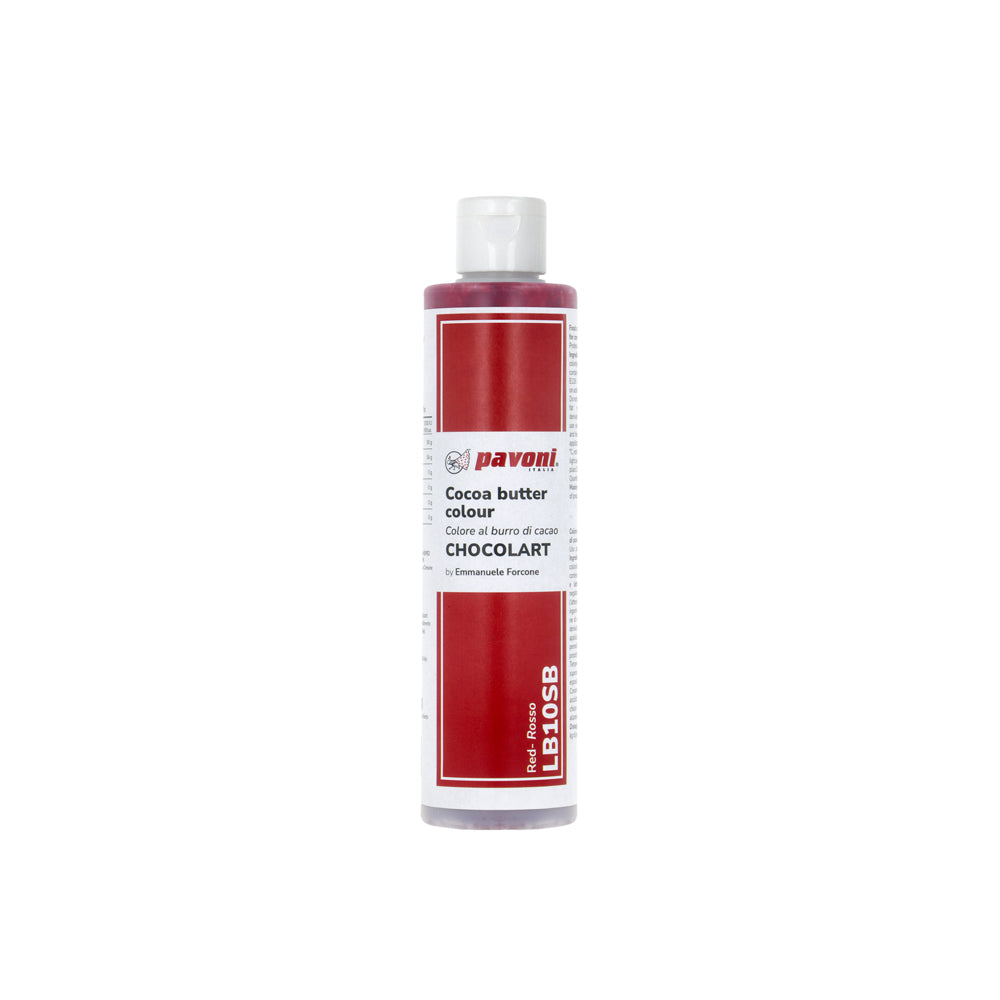
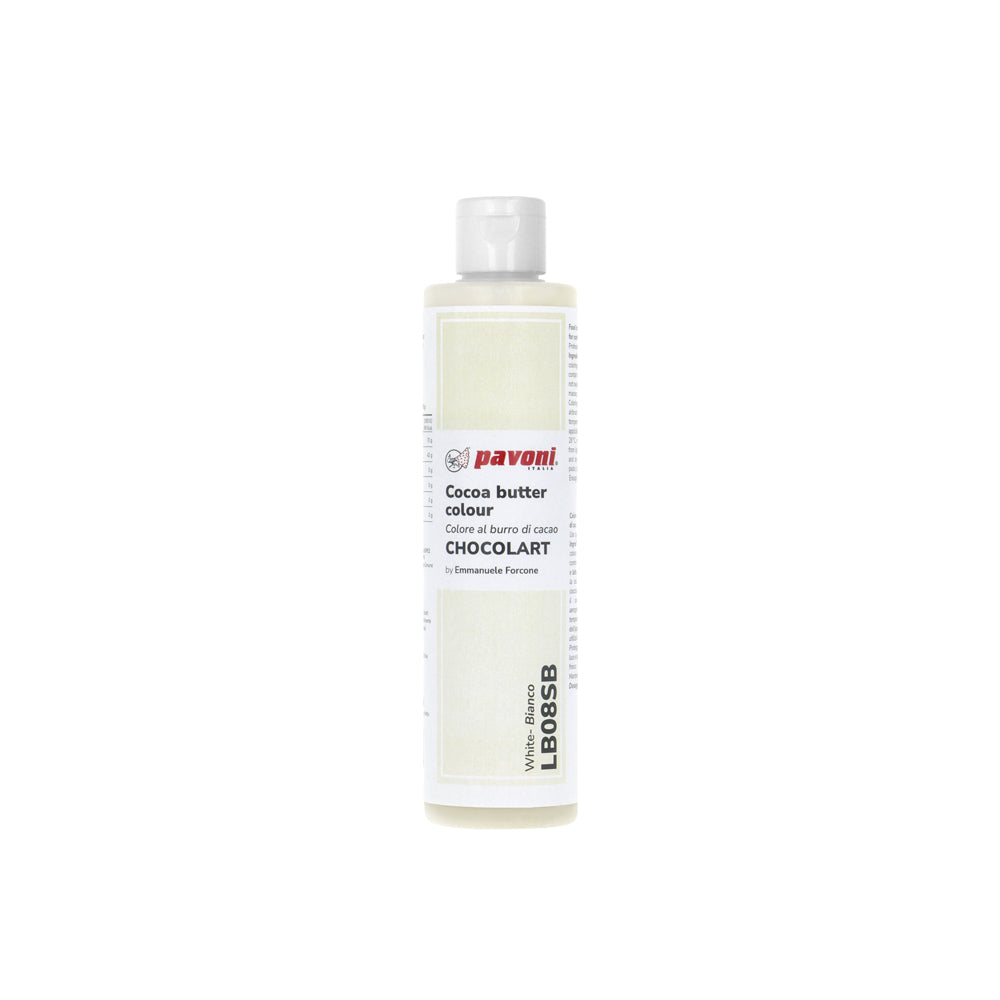
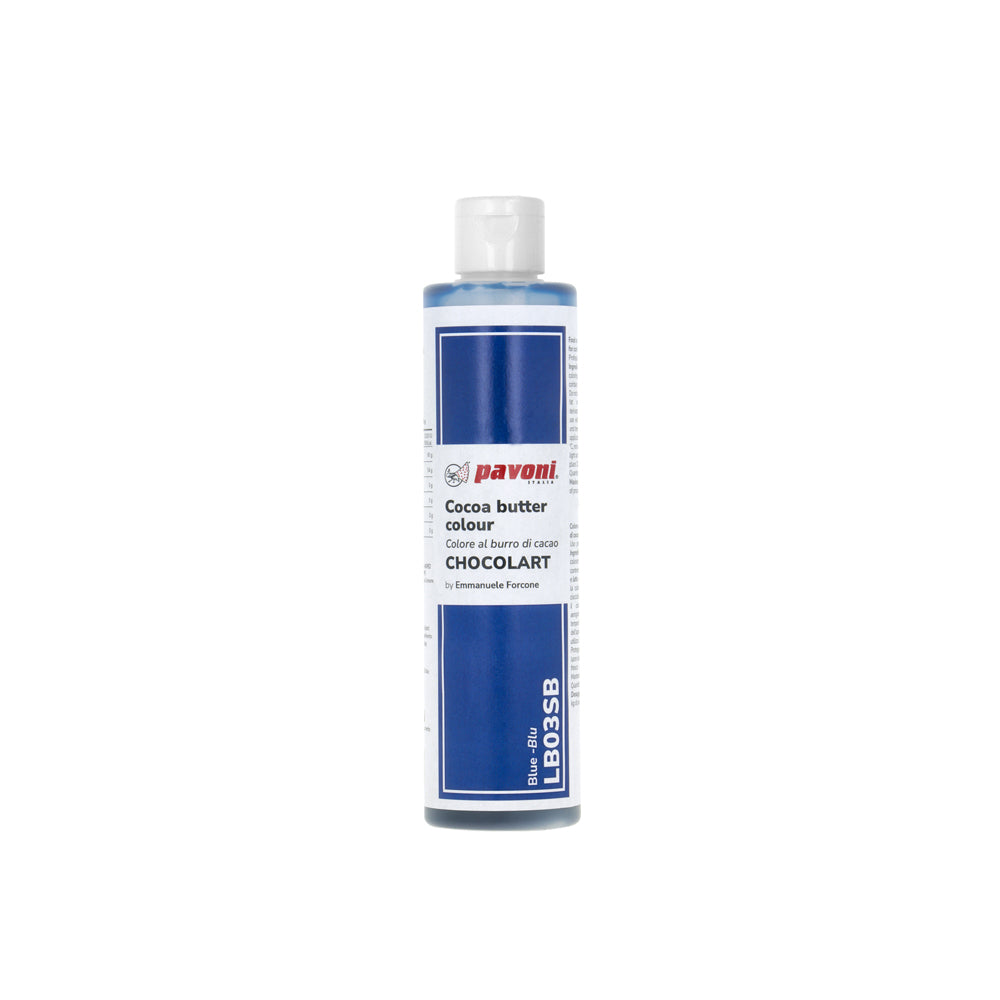
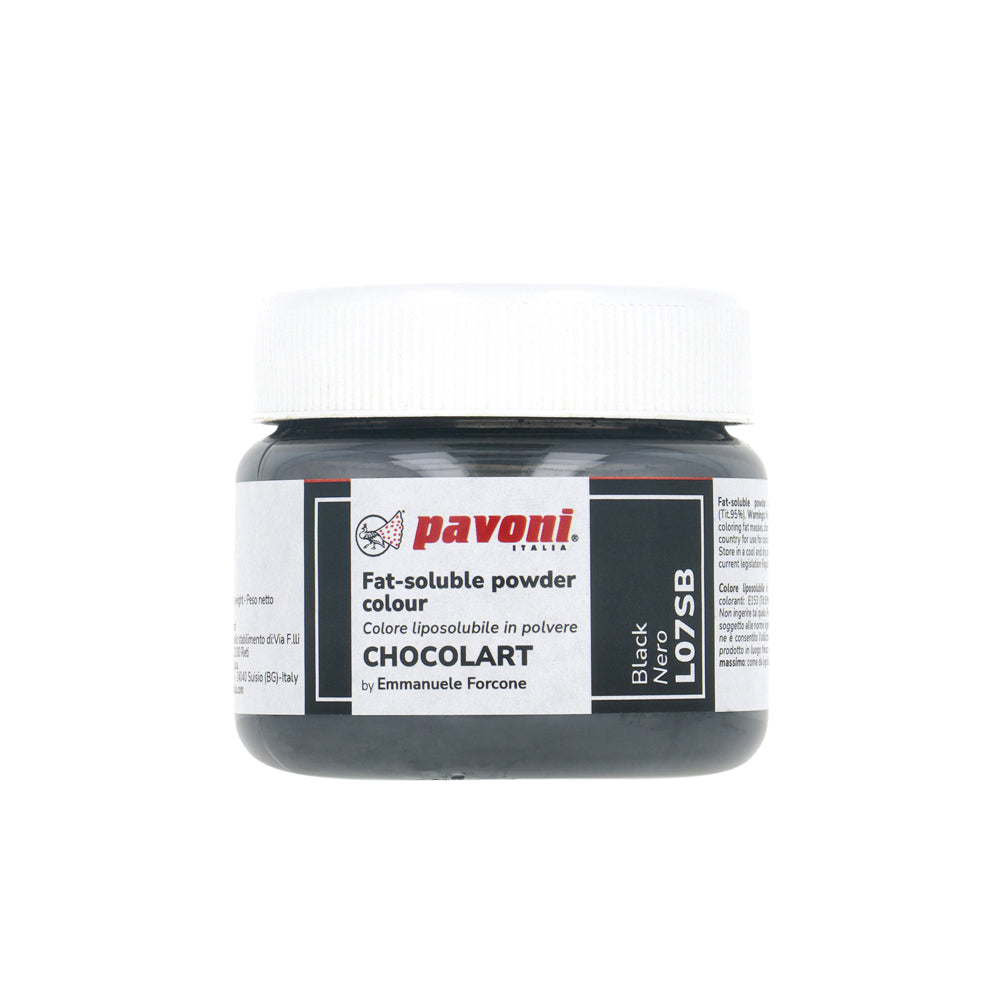
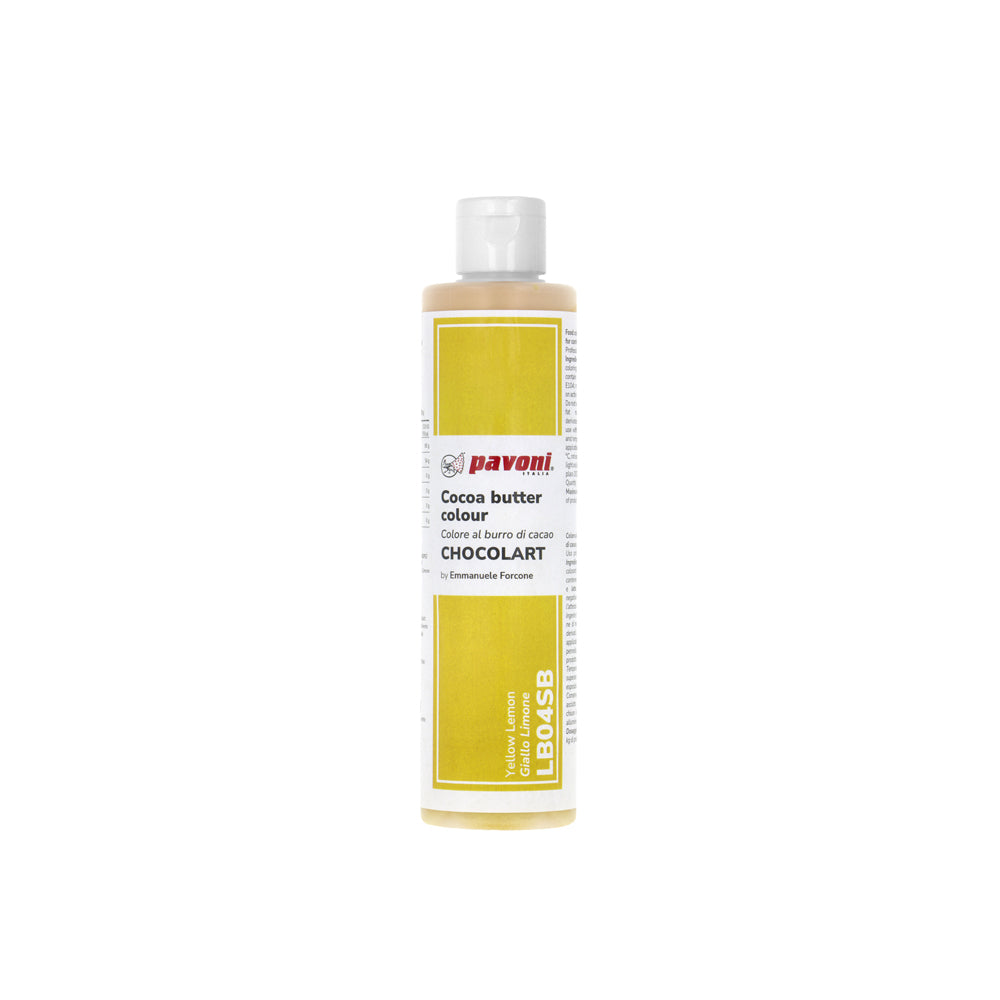
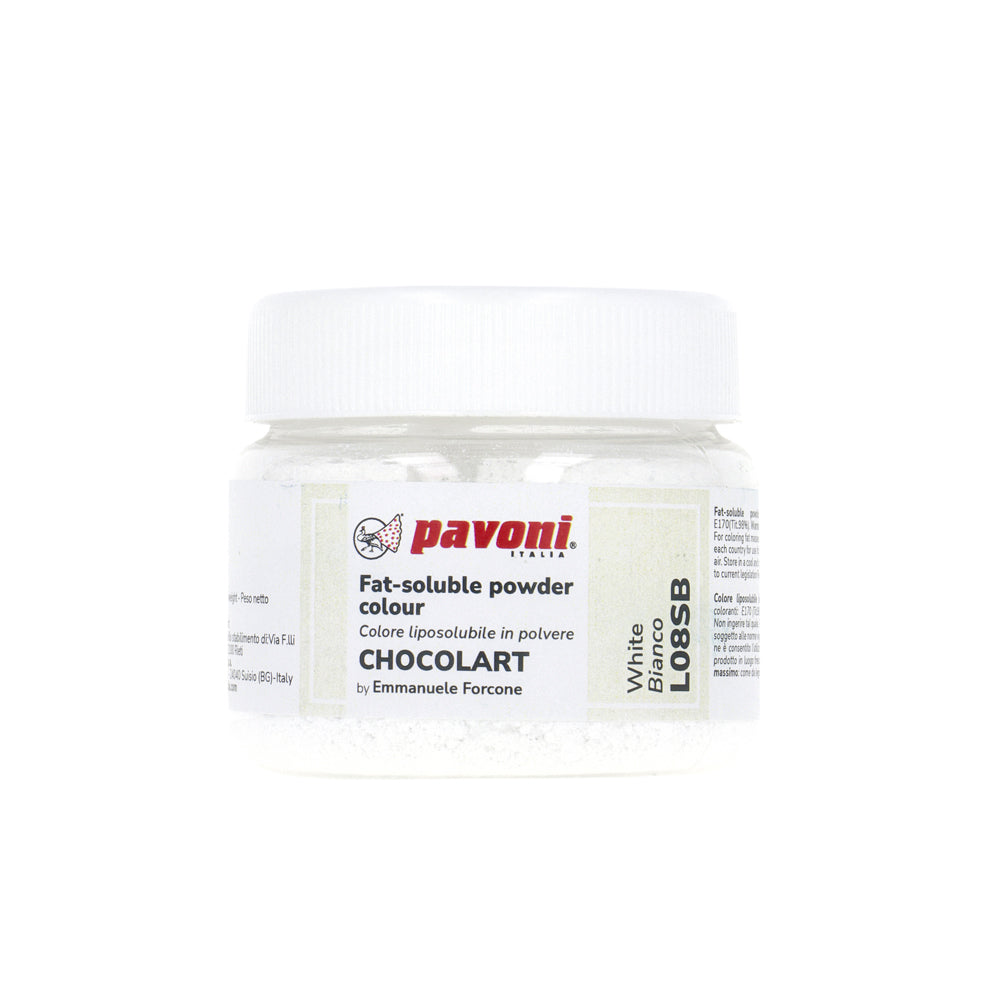
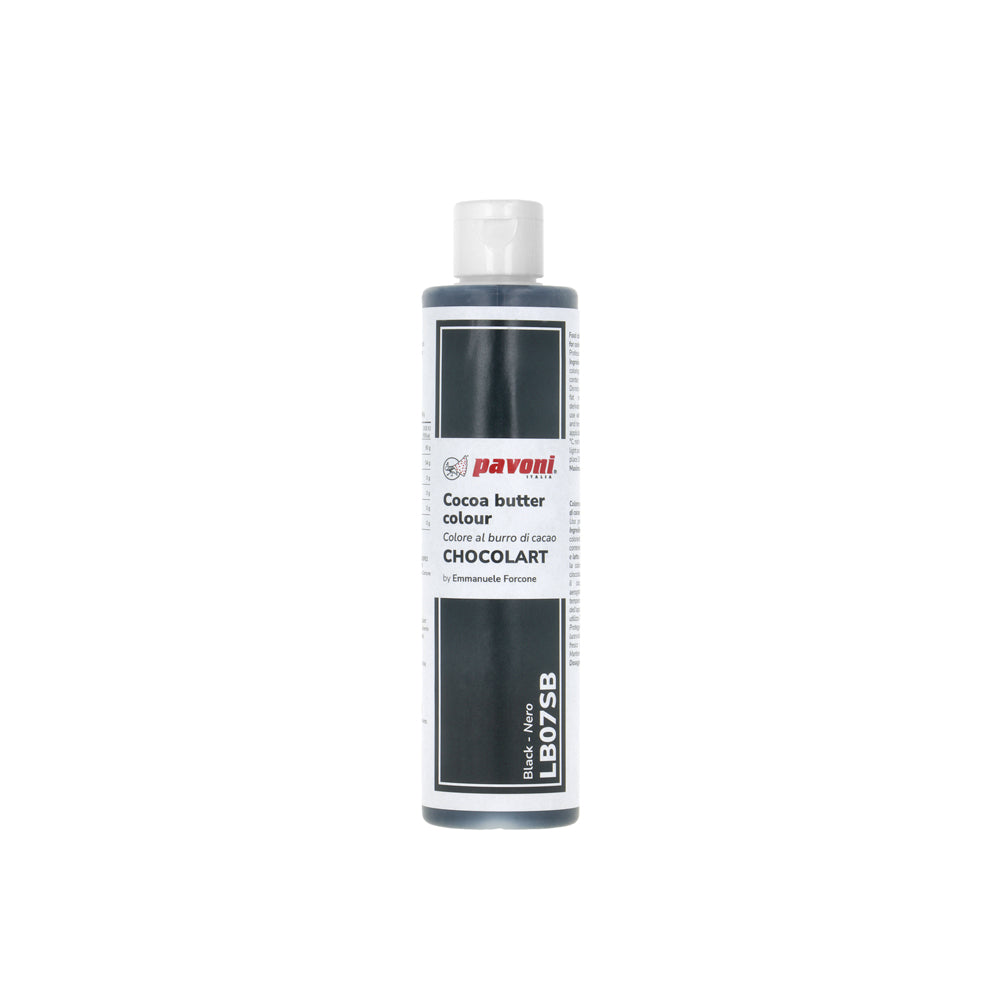
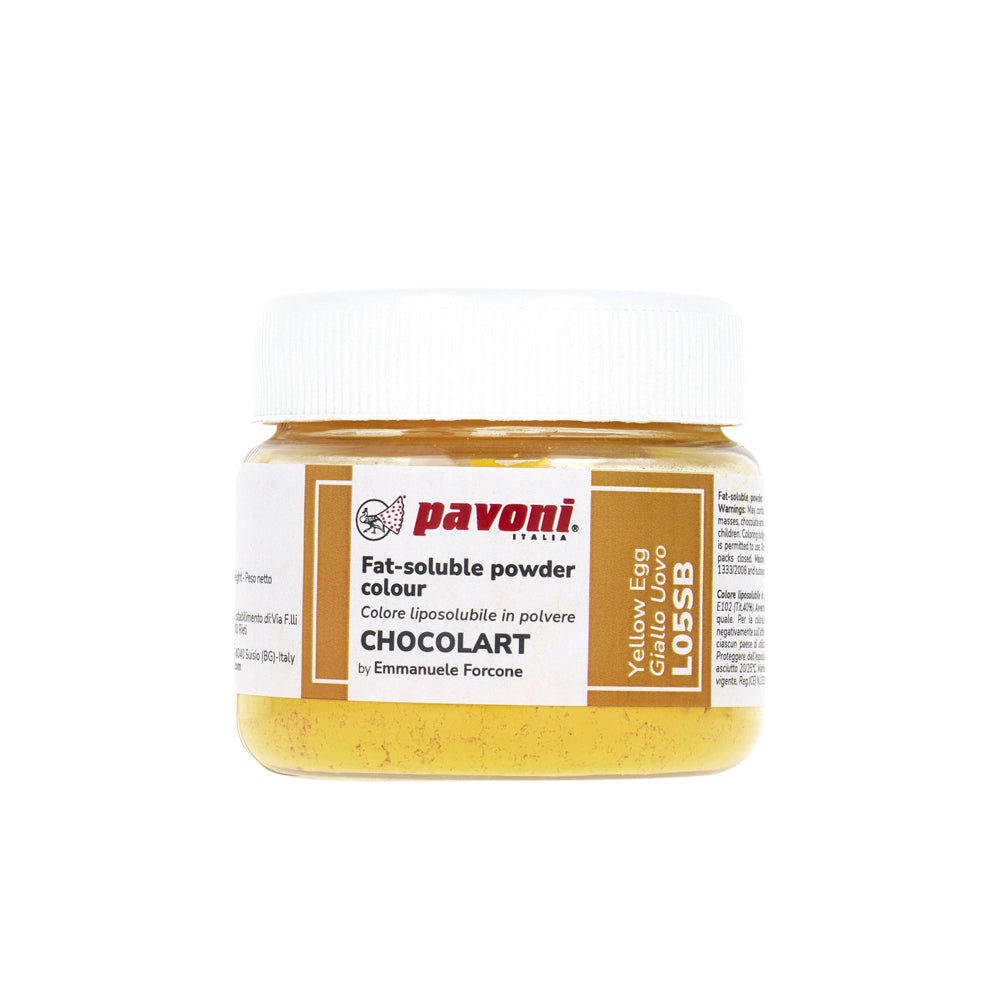
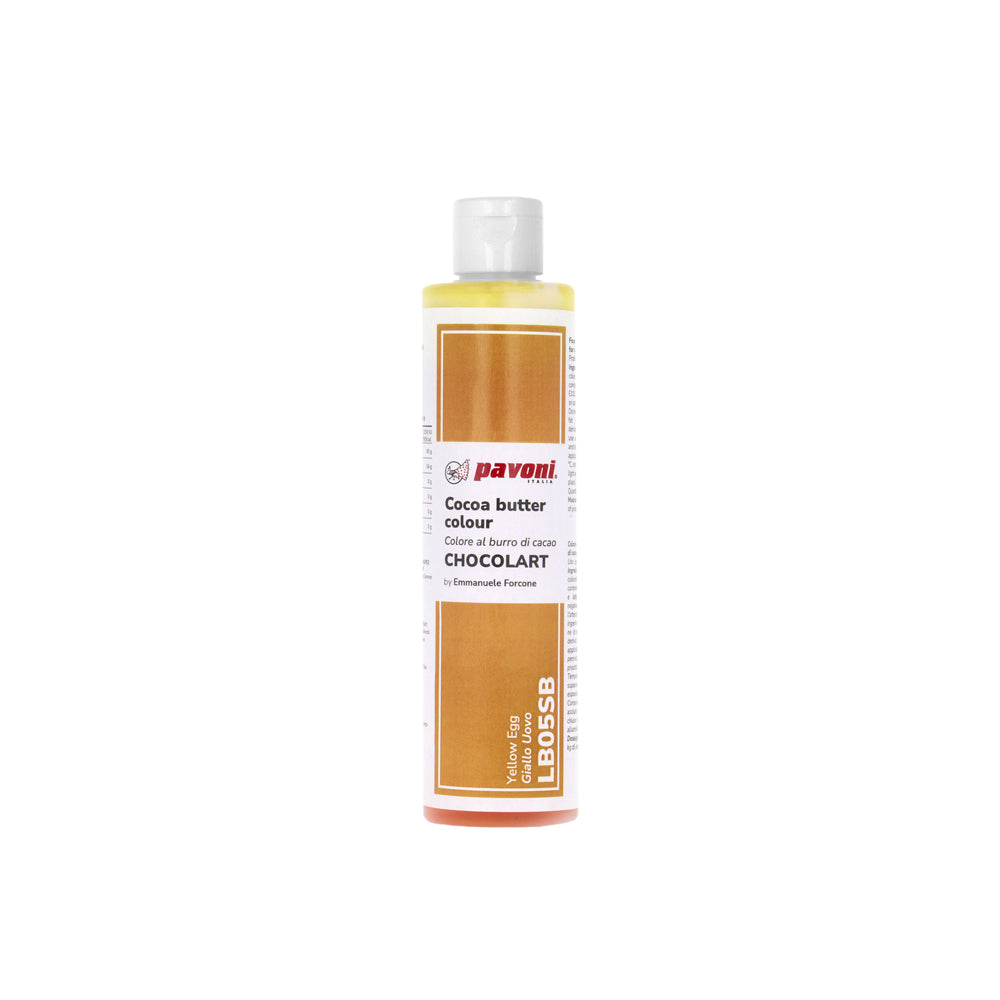
Professional work begins with primary colors enabling custom mixing. Red Cocoa Butter Chocolart, Blue Cocoa Butter Chocolart, and Yellow Lemon Cocoa Butter Chocolart form the basic palette from which thousands of custom shades emerge through blending. Starting with these fundamentals plus White Cocoa Butter Chocolart and Black Cocoa Butter Chocolart enables producing virtually any hue without inventory sprawl.
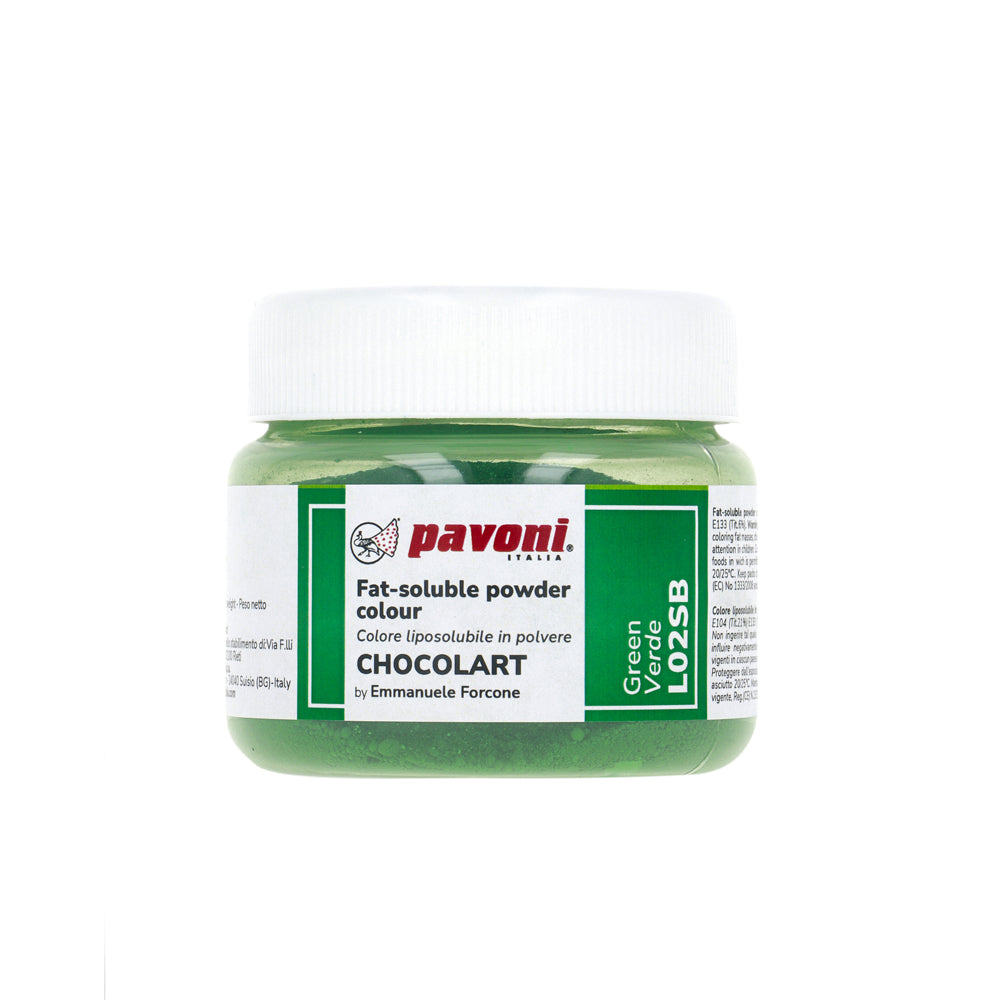
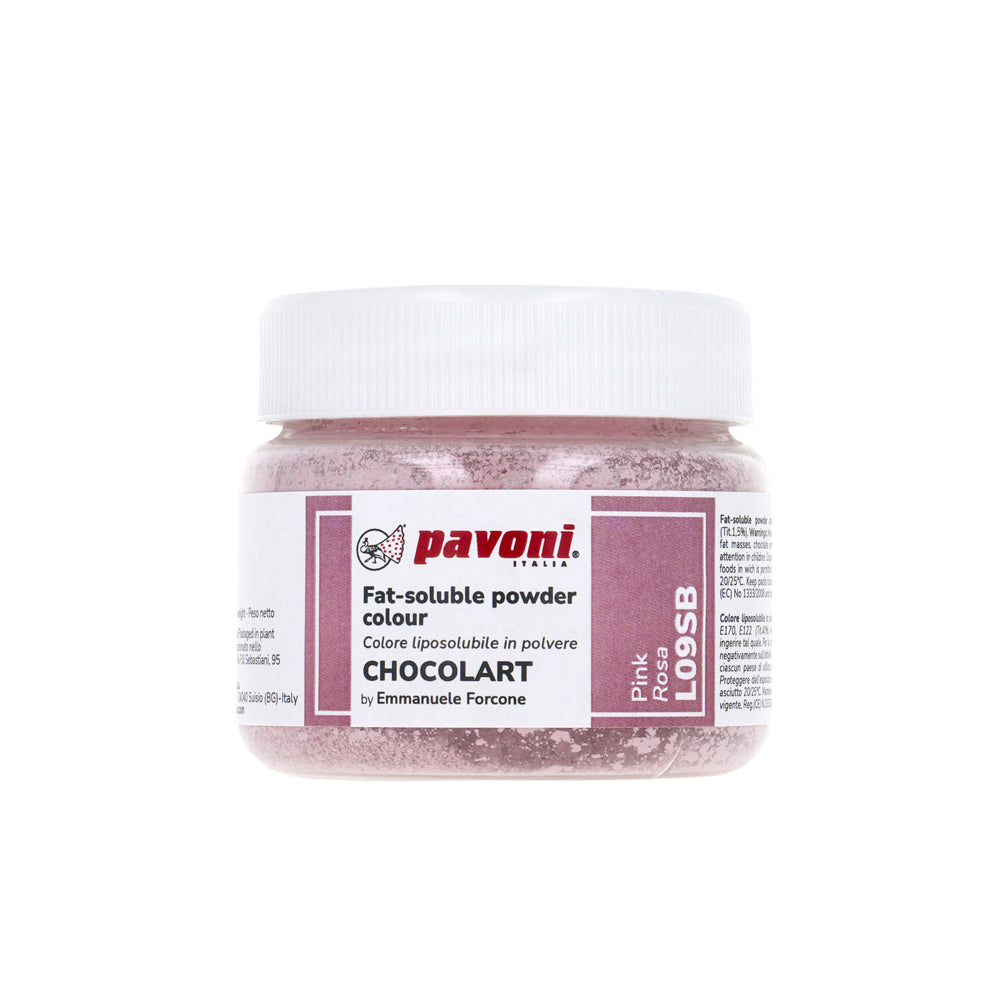
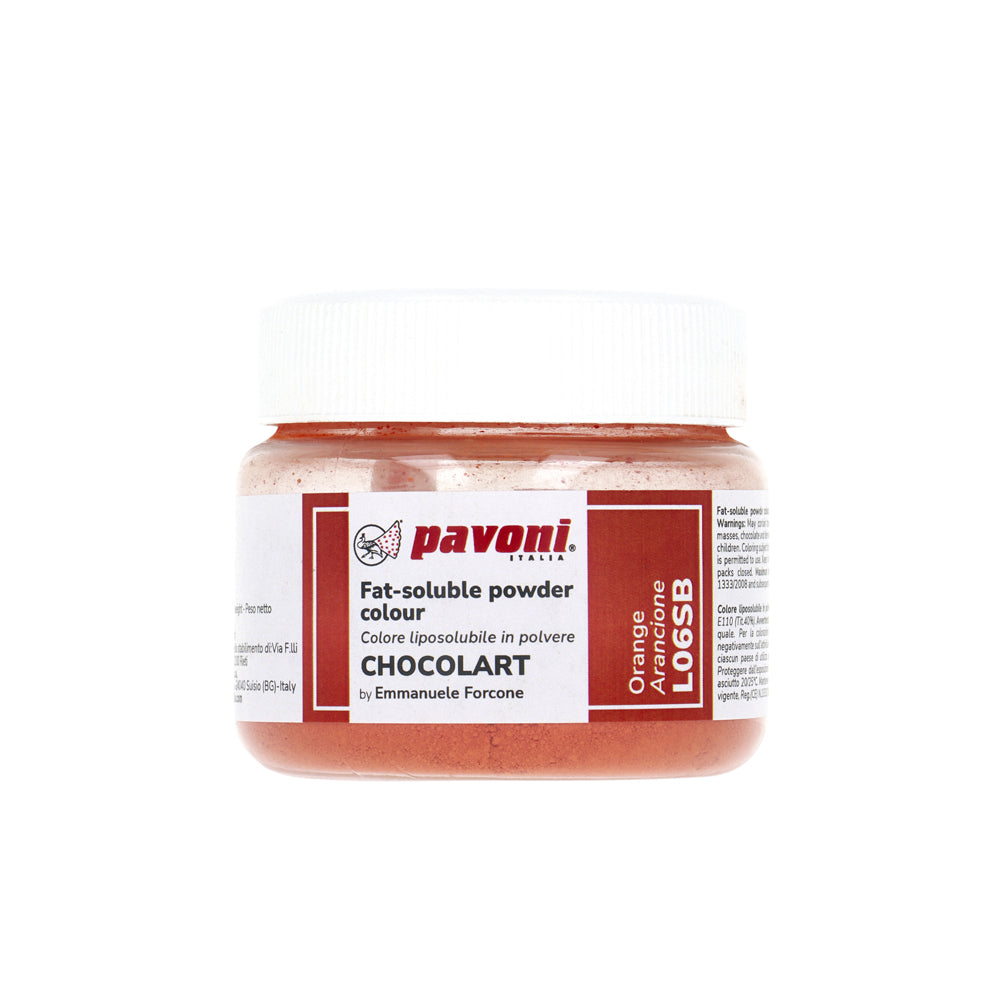
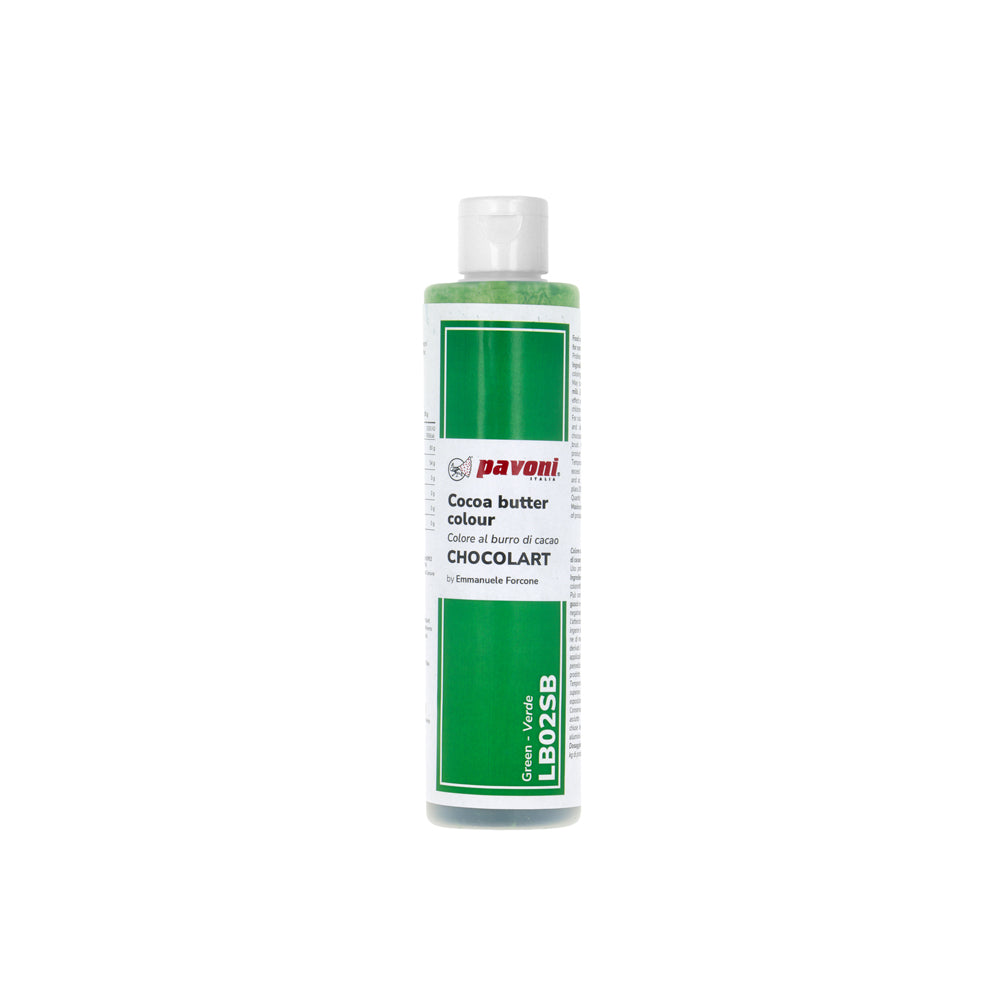
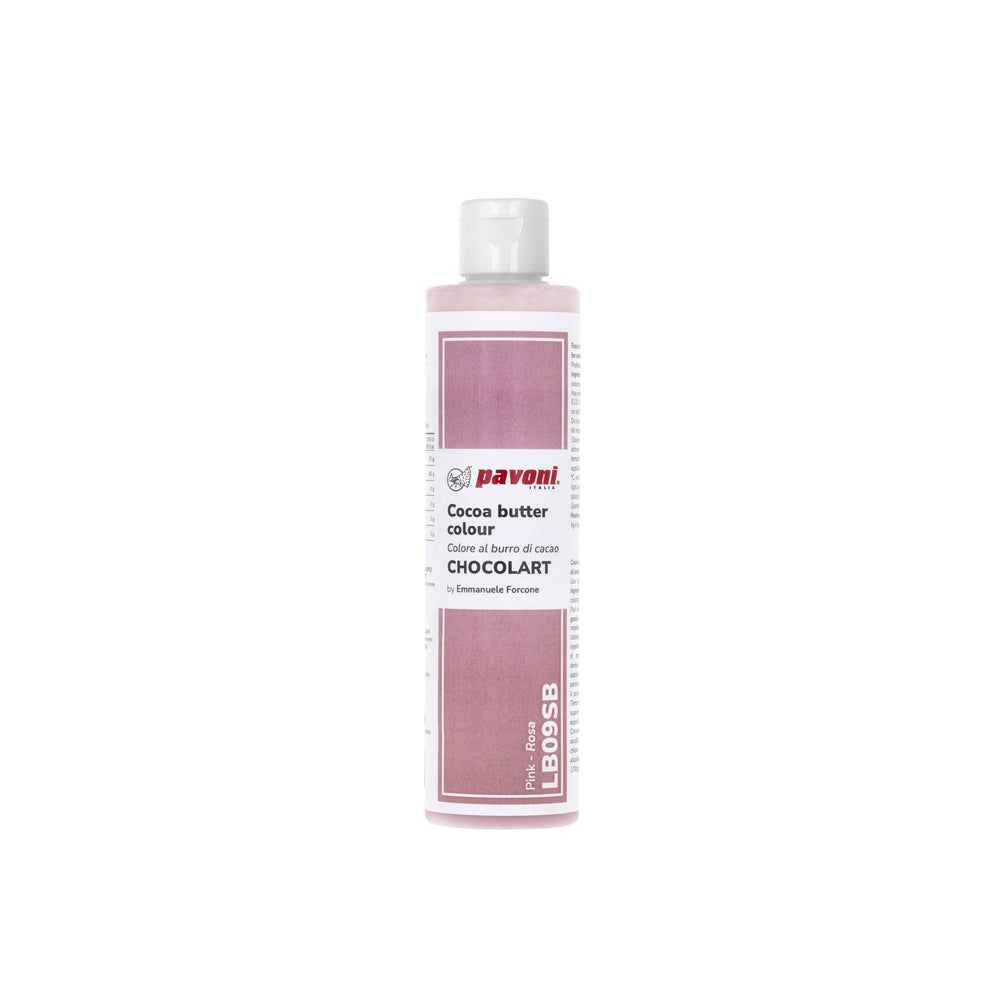
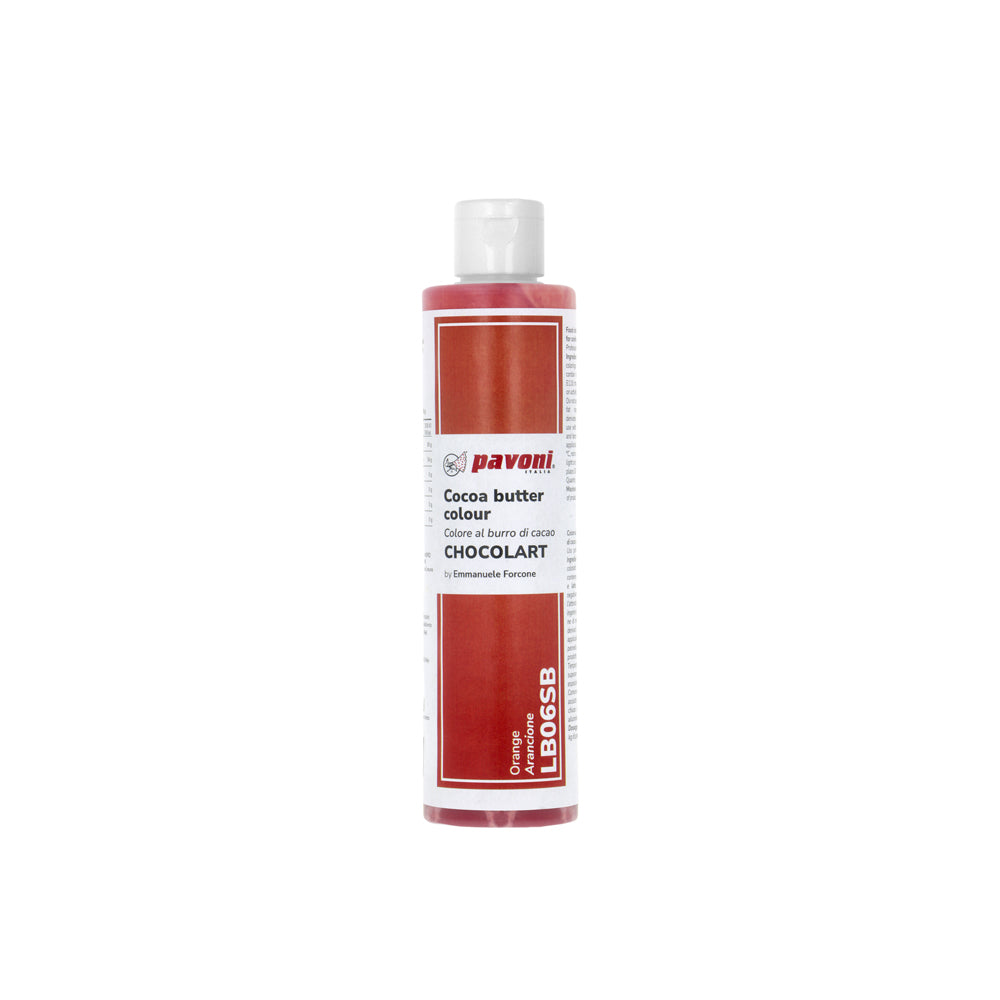
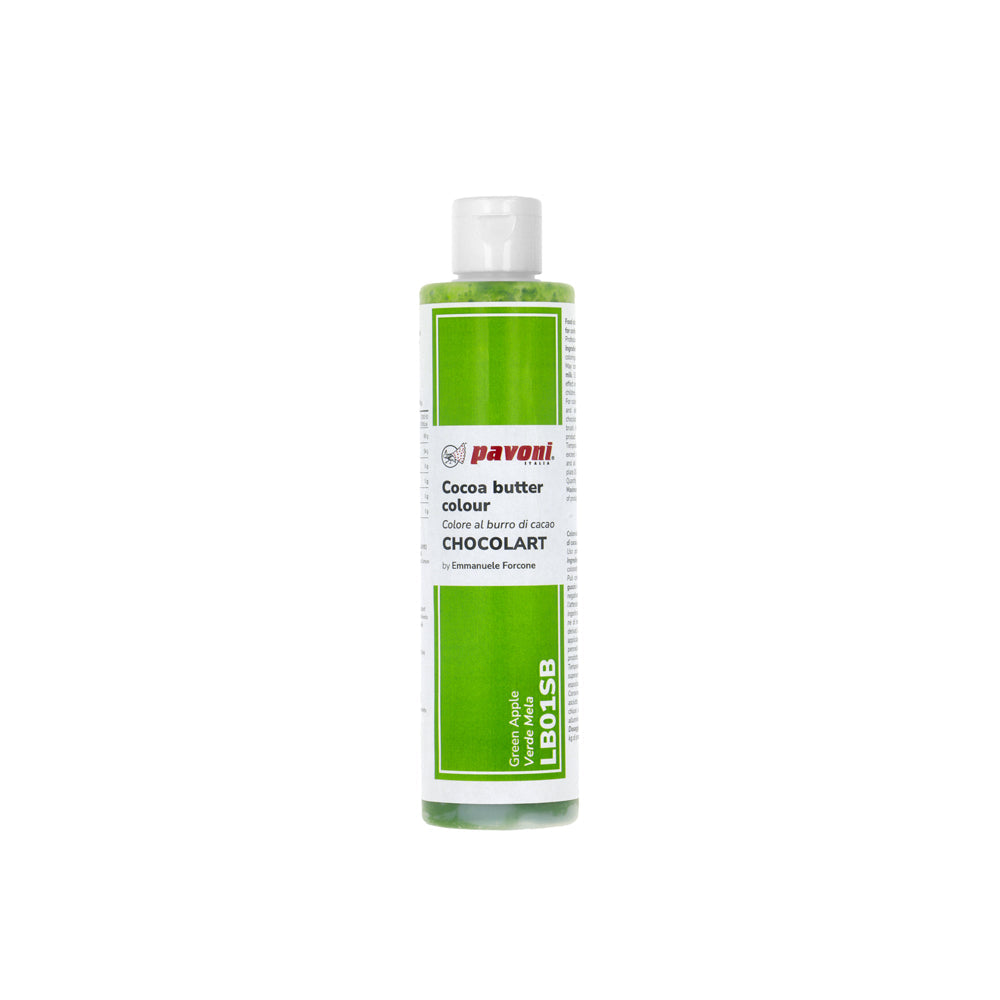
Secondary colors expand options while reducing mixing requirements. Green Cocoa Butter Chocolart, Orange Cocoa Butter Chocolart, and Pink Cocoa Butter Chocolart provide ready-to-use alternatives to mixing primaries, saving time during production while ensuring color consistency across batches. Operations producing signature color schemes benefit from stocking exact shades rather than relying on mix-to-match approaches introducing batch variations.
Specialty and Metallic Options
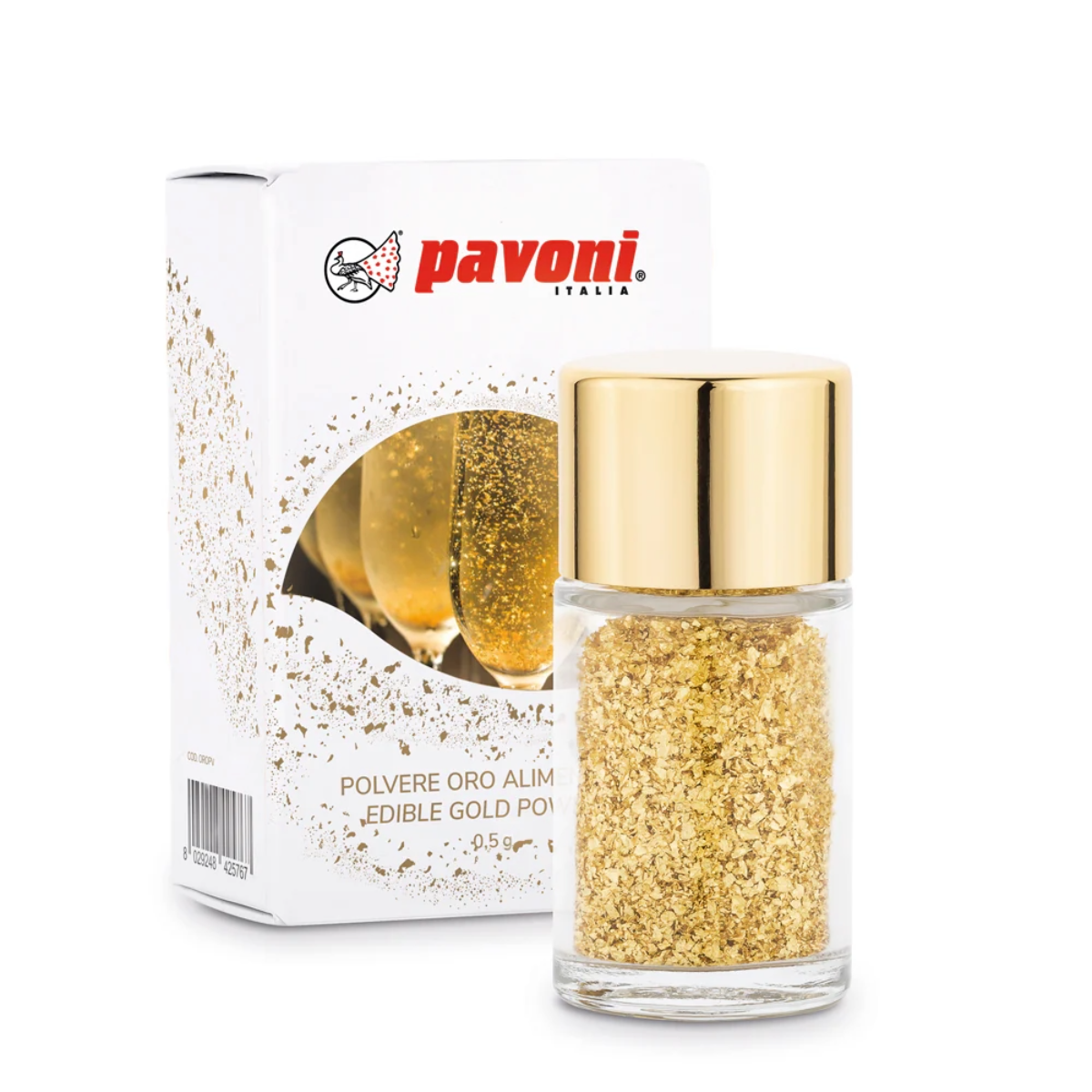
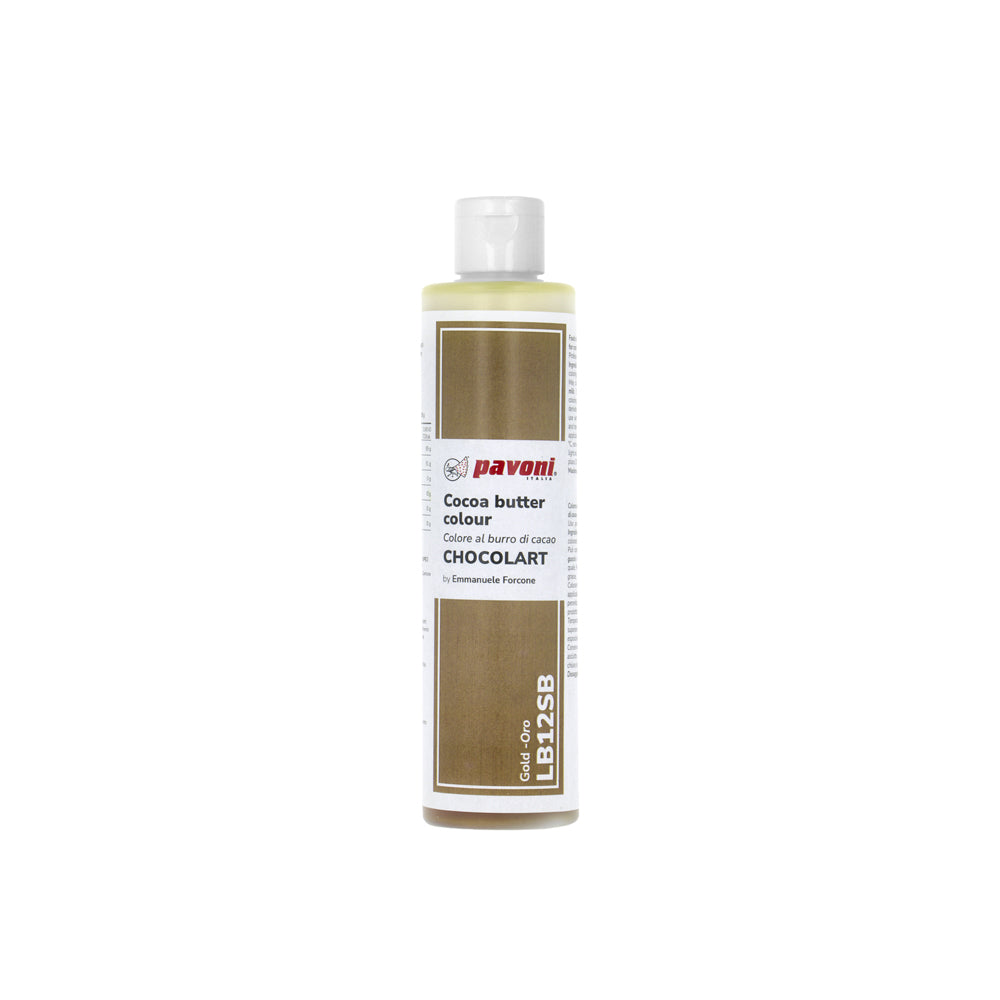
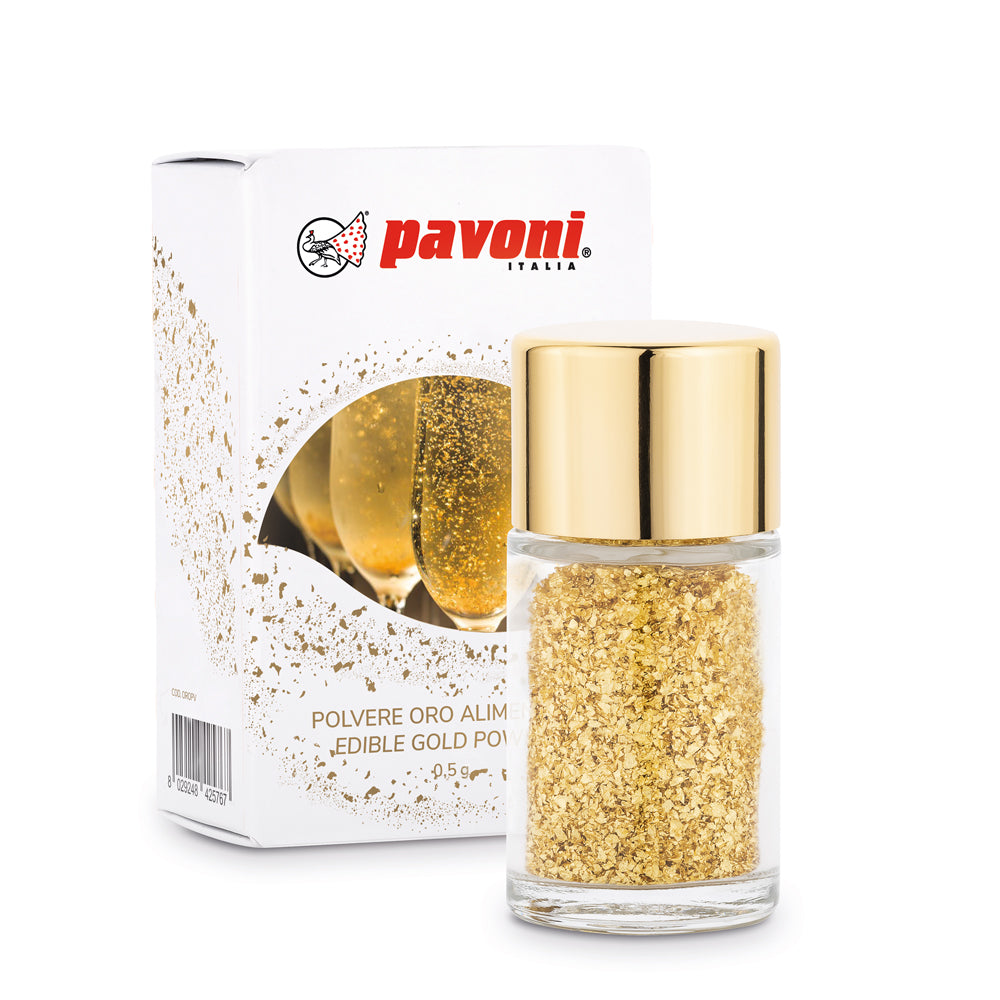
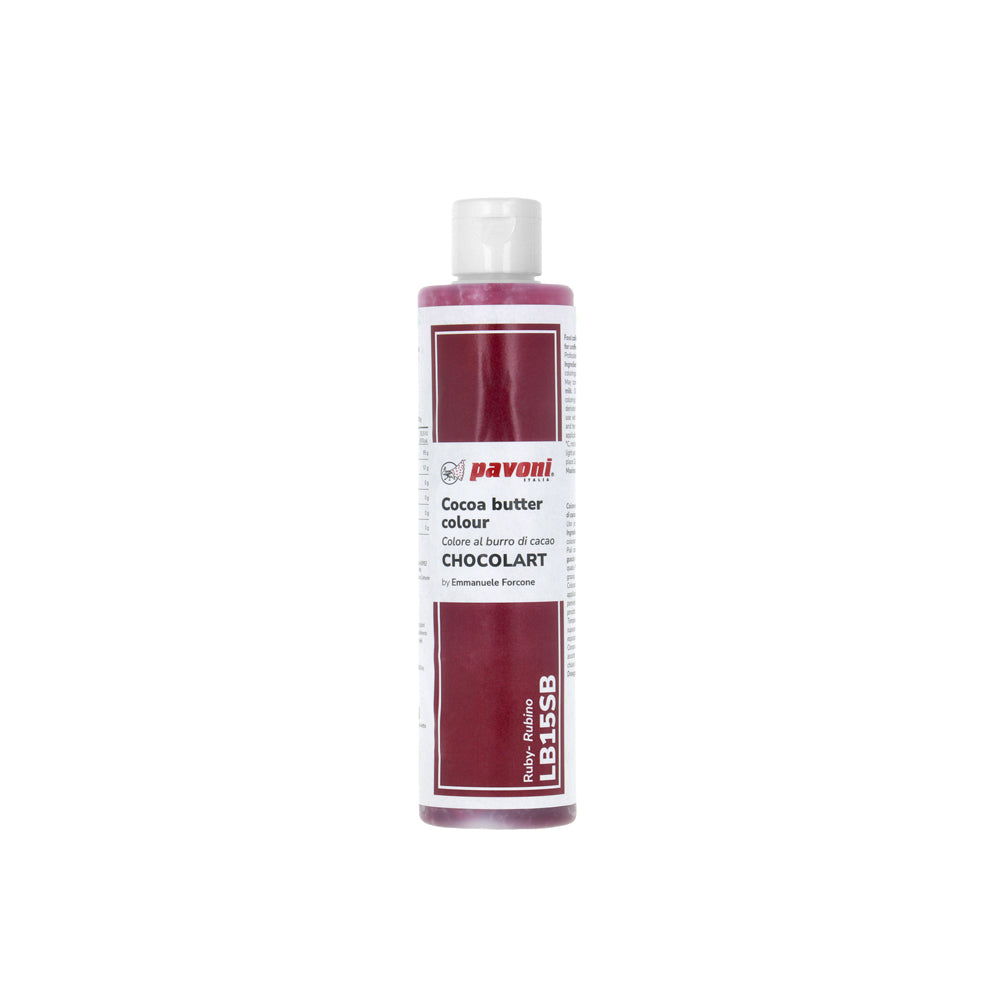
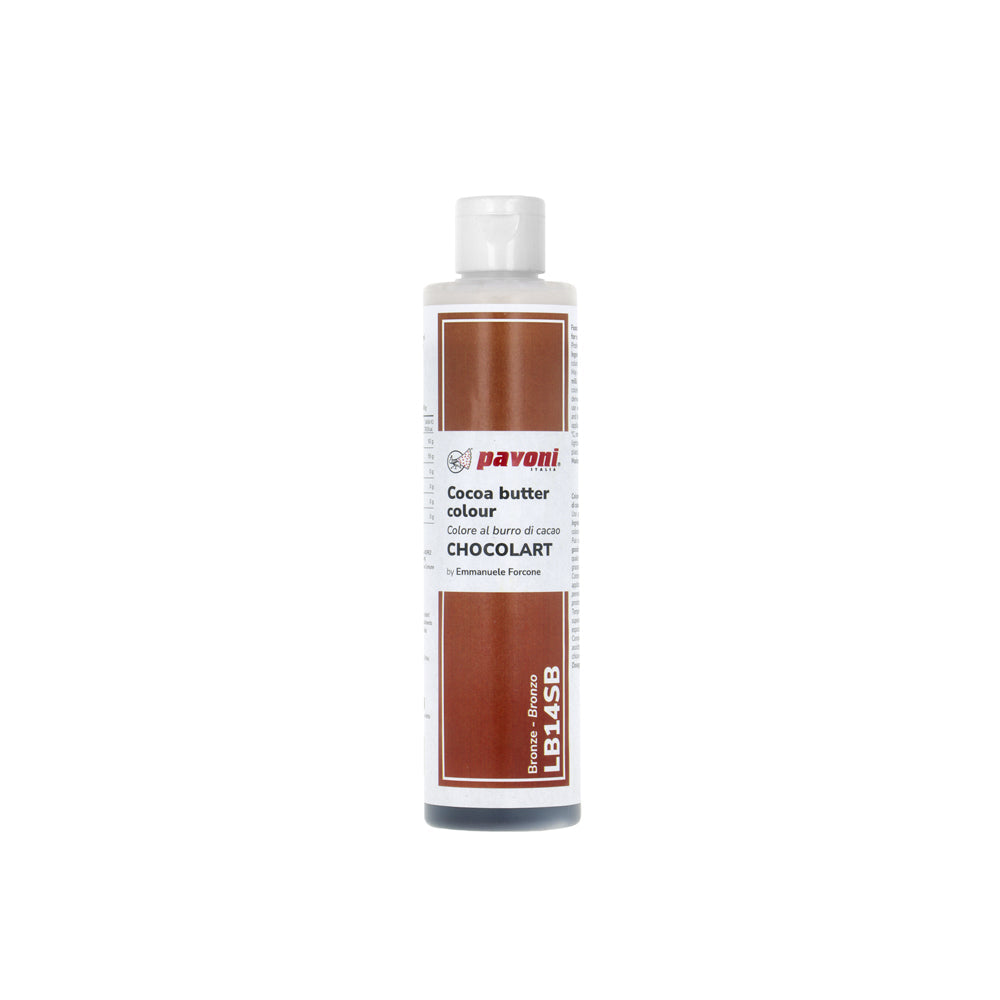
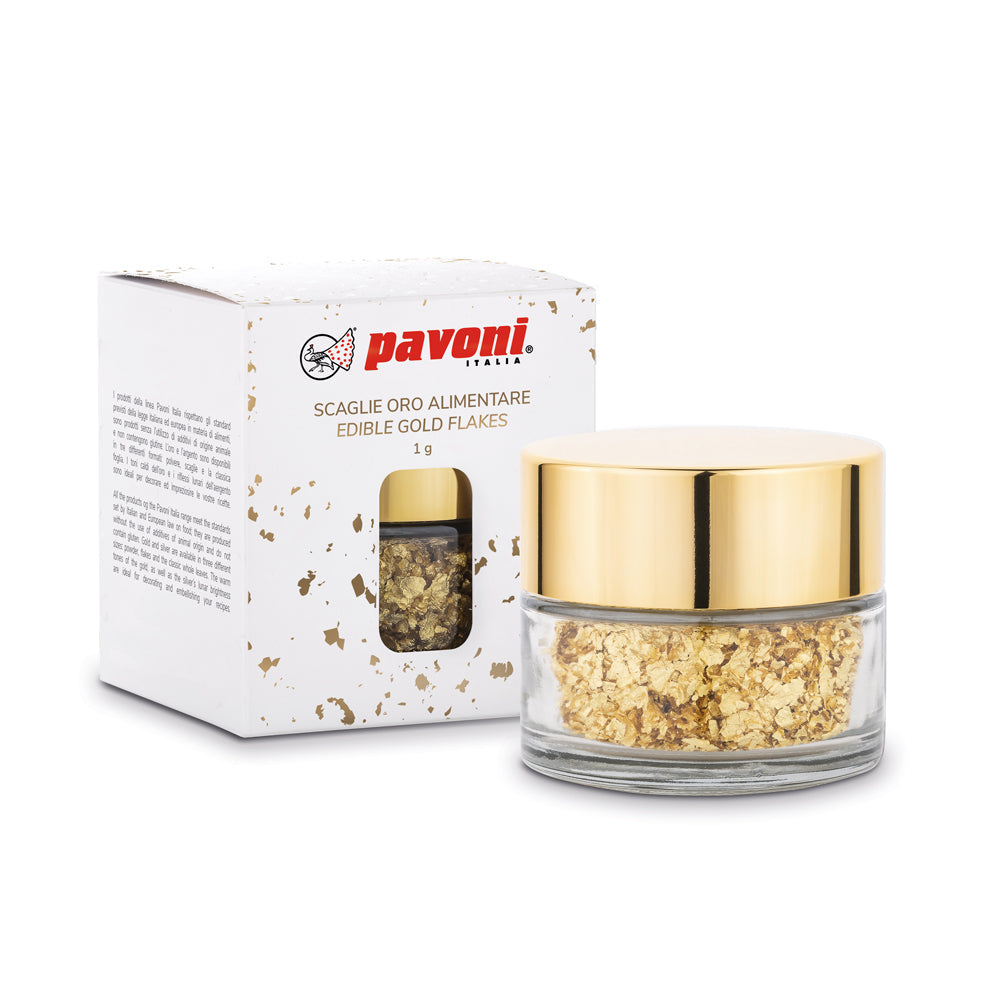
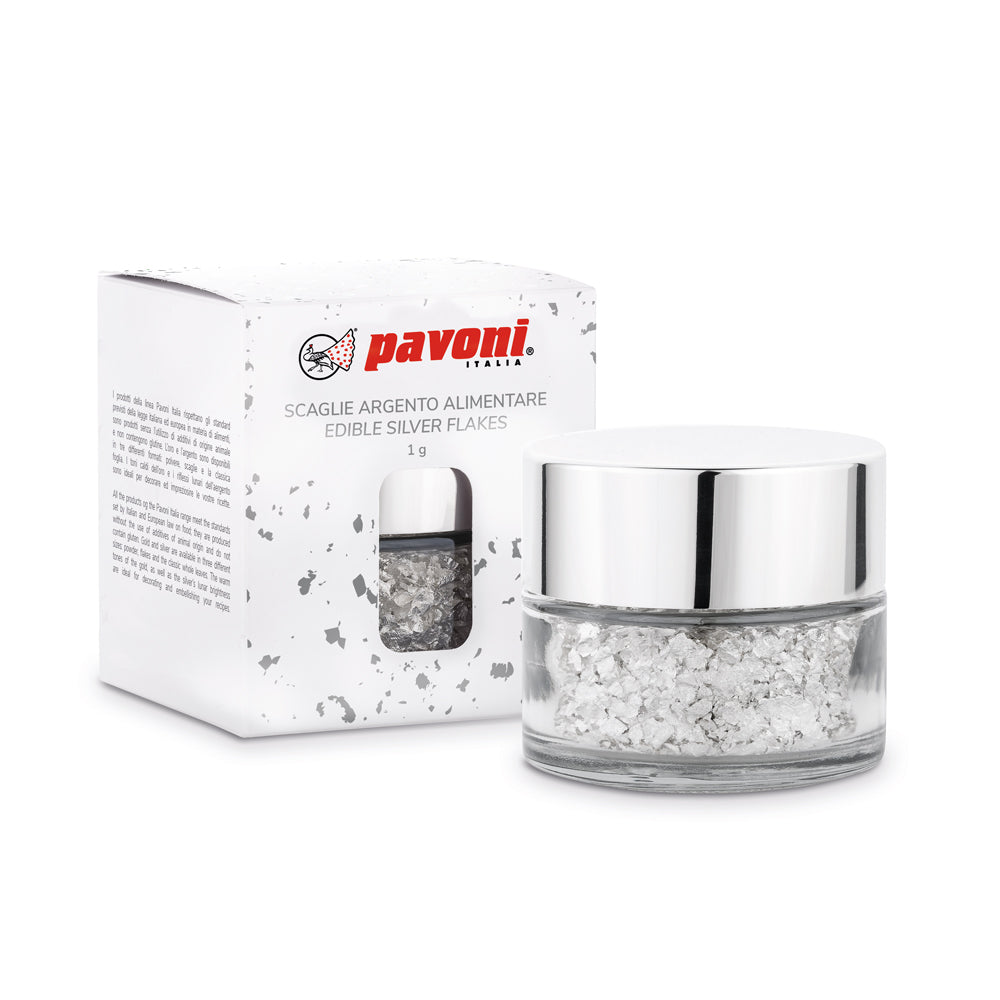
Metallic finishes command attention impossible with standard colors. Gold Cocoa Butter Chocolart and Bronze Cocoa Butter Chocolart create luxury associations justifying premium pricing, while Ruby Cocoa Butter Chocolart delivers contemporary elegance. These specialty colors distinguish high-end work from standard production, supporting positioning as premium rather than commodity offerings.
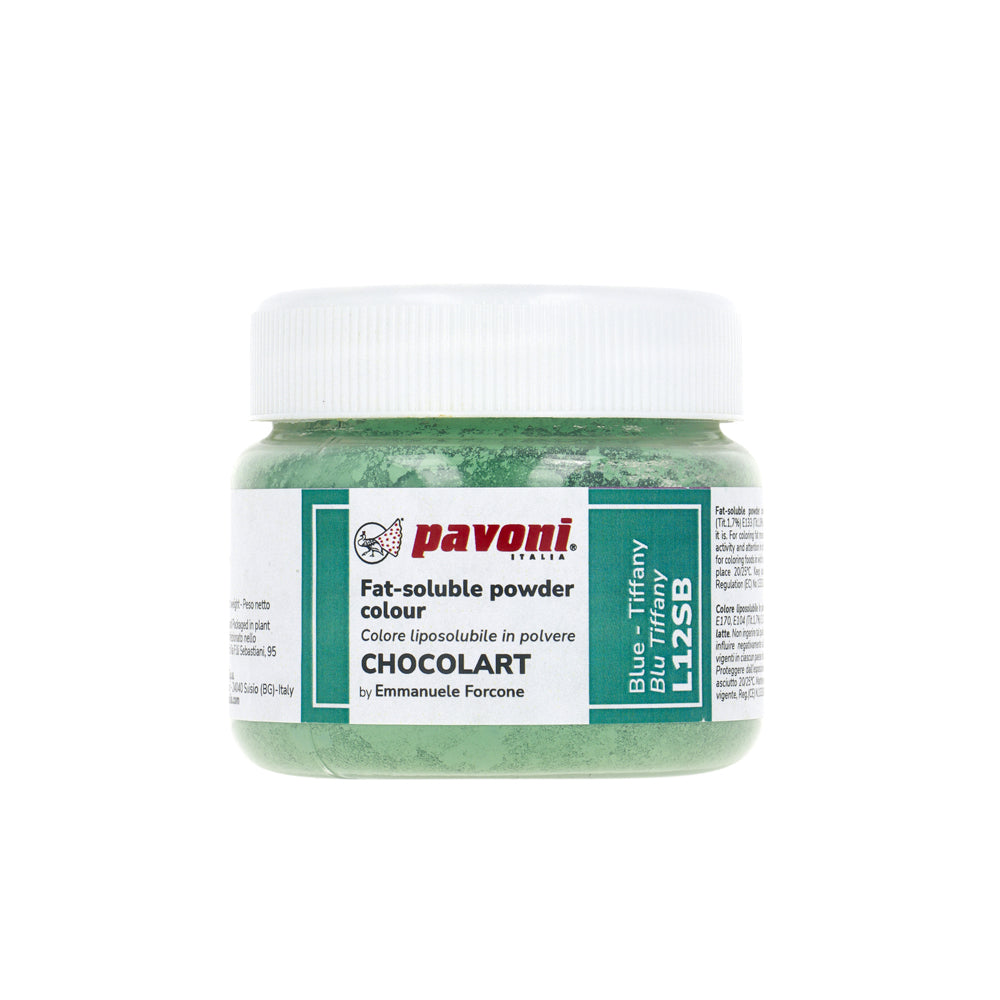
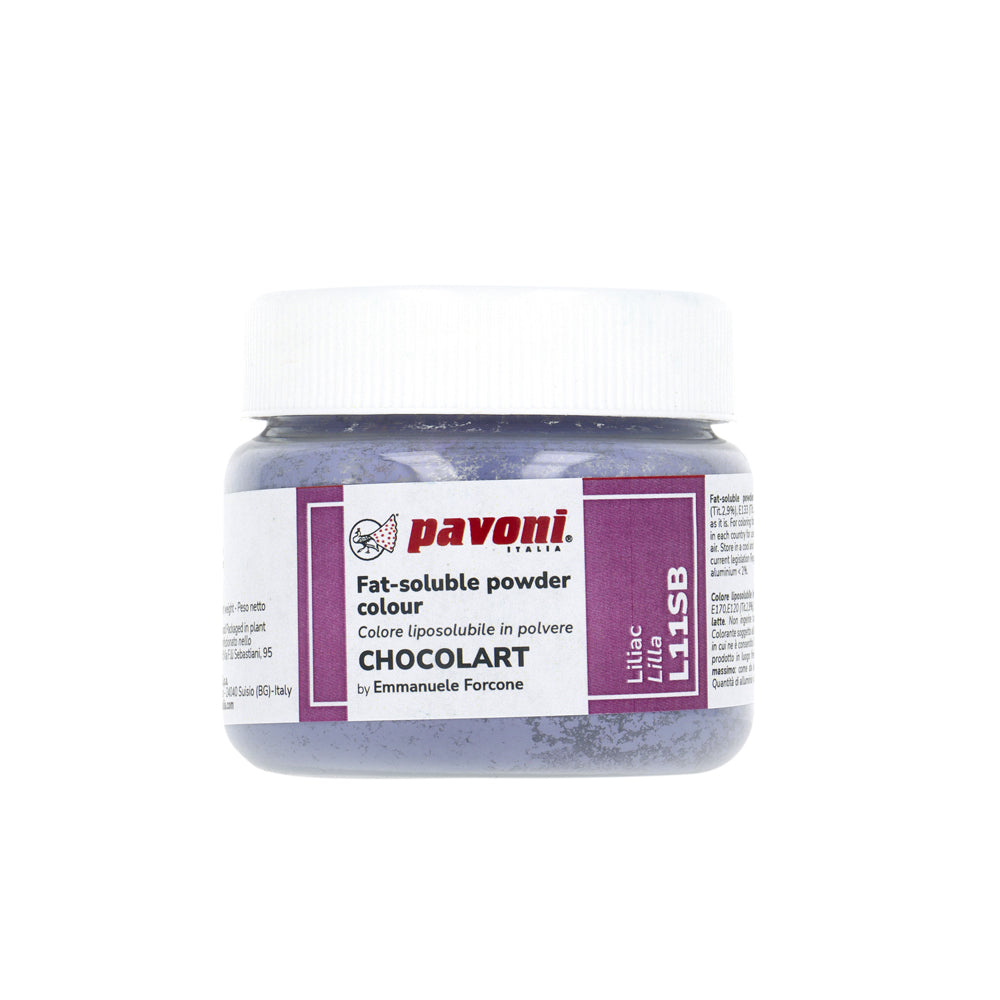
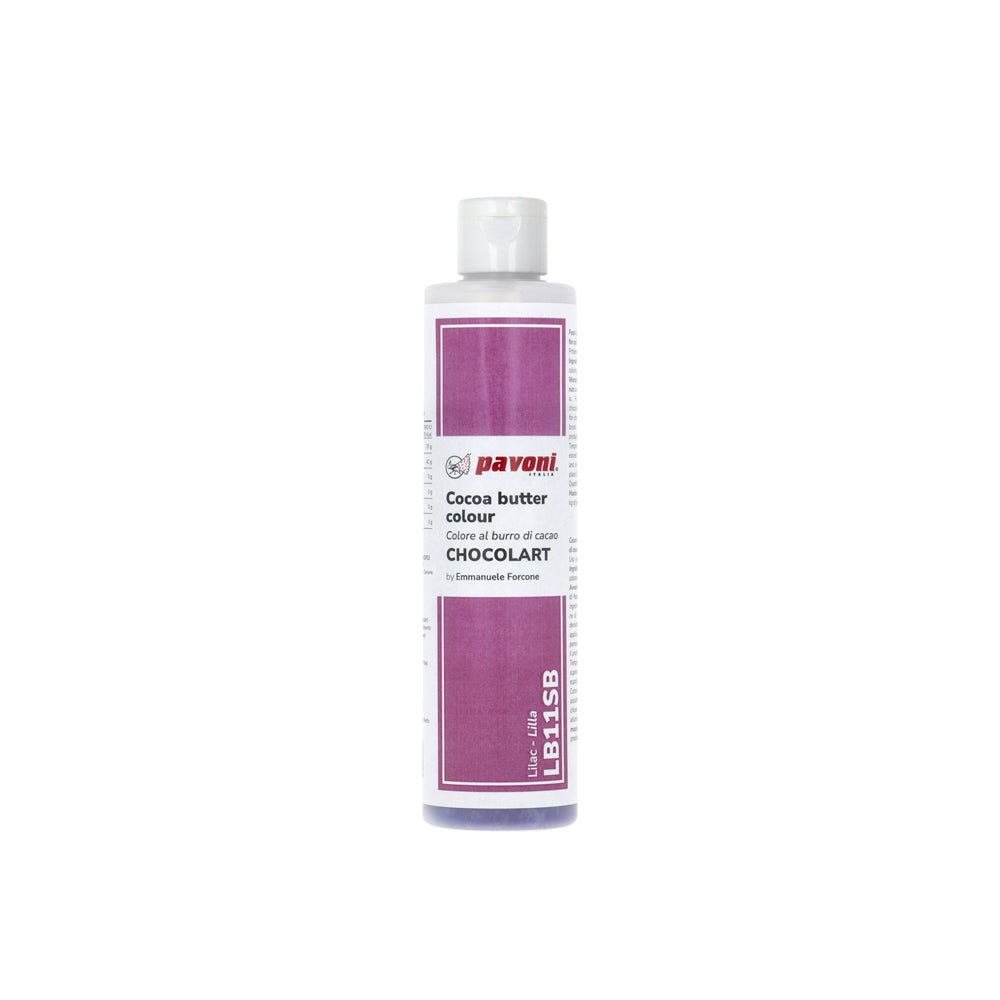
Unique shades differentiate signature collections. Lilac Cocoa Butter Chocolart and Tiffany Blue Fat Soluble Powder enable brand color implementation matching specific aesthetic visions. Creating recognizable color palettes builds brand identity—customers begin associating particular shades with your chocolate, strengthening recall and differentiation in crowded markets.
Mastering Application Techniques
Airbrush Methods for Uniform Coverage
Airbrushing creates the even color coverage defining contemporary chocolate aesthetics. Warming cocoa butter colors to 35-40°C achieves viscosity flowing smoothly through spray equipment without clogging. The airbrush spray guns collection includes various capacity options matching different production scales, from compact units handling occasional decoration to professional systems supporting continuous production.
Distance and technique control coverage density. Holding spray guns 20-25cm from surfaces produces even coats, while closer application creates concentrated color. Multiple thin passes build opacity gradually, preventing the pooling and runs that single heavy applications cause. This layered approach also enables gradient effects where color intensity varies across surfaces, creating dimensional visual interest.
Mold preparation affects final appearance significantly. Spraying chocolate molds before filling creates designs visible through transparent shells. This technique produces bonbons where colors appear suspended within chocolate rather than merely surface-applied. Combining spray techniques with hand-painting adds detail impossible through airbrushing alone, creating truly unique pieces commanding premium positioning.
Hand-Painting for Detailed Artistry
Brush application enables intricate designs requiring precision beyond spray capabilities. Fine-detail painting uses slightly warmer cocoa butter (40-45°C) ensuring flow without premature setting during application. Natural bristle brushes from quality pastry baking tools handle cocoa butter's unique properties better than synthetic alternatives, maintaining point definition through repeated heating cycles.
Layering builds dimensional effects as colors interact. Applying metallic gold over deep purple creates richness impossible from single-color applications. Understanding color theory—how hues complement or clash—separates competent decoration from artwork that stops viewers mid-stride. Learning about chocolate decorations techniques expands creative possibilities beyond basic color application.
Transfer Sheet Integration
Cocoa butter colors work synergistically with chocolate transfer sheets, enabling complex patterns without hand-painting every piece. Colored bases applied behind transfers create backgrounds making patterns pop visually. This combination approach maintains production efficiency while delivering custom appearance differentiating products from competitors using transfers alone.
Temperature Management and Storage
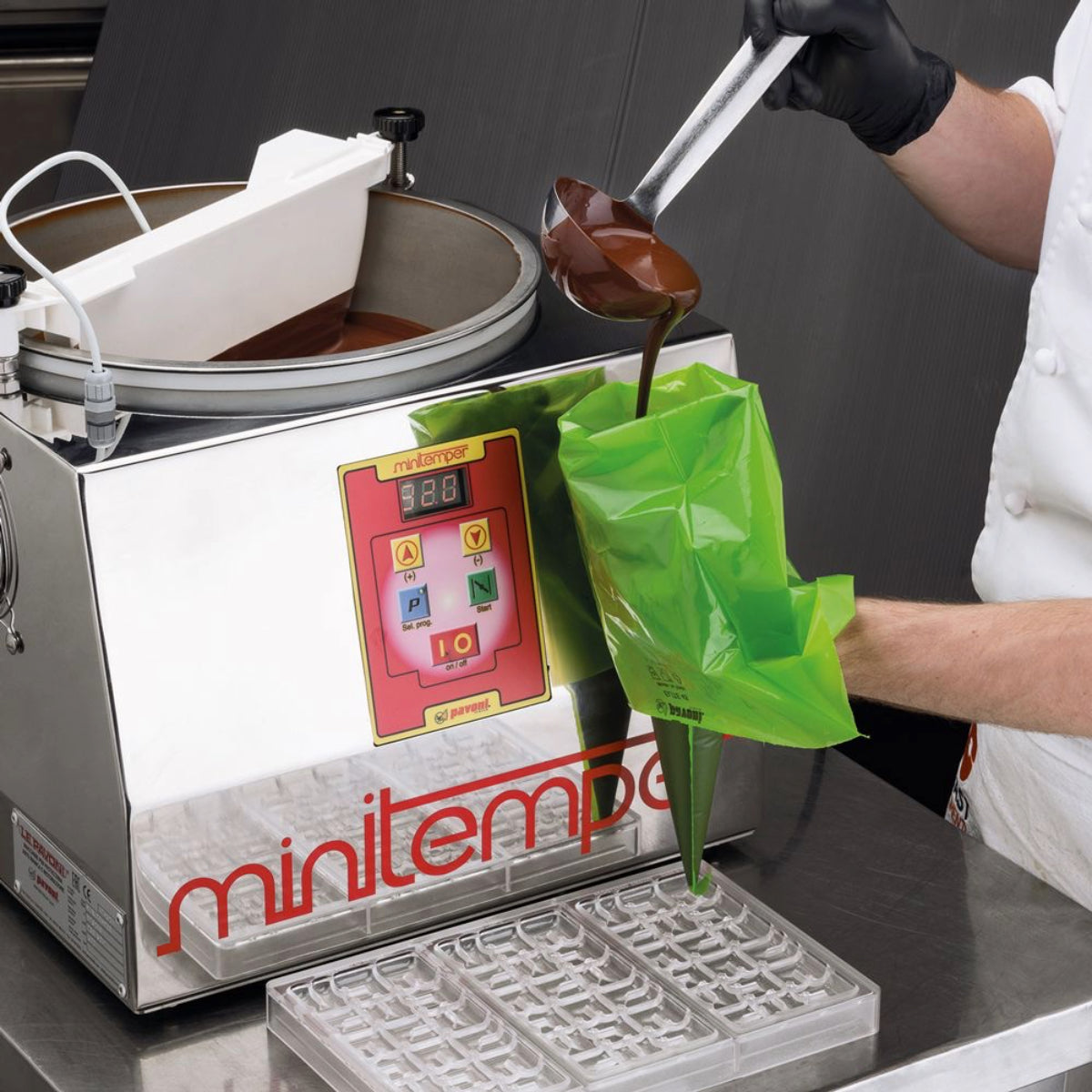
Proper heating prevents application frustrations. Cocoa butter solidifies at room temperature, requiring warming before use. Water bath heating provides gentle, even warmth, while microwave heating risks overheating that degrades color stability. Maintaining working temperatures throughout production sessions eliminates the constant reheating that interrupts workflow and wastes time.
Storage conditions affect color longevity. Sealed containers protecting from light and moisture preserve colors for months or years. Oxidation and contamination degrade performance over time—proper storage extends usable life while maintaining color intensity and flow characteristics. Room temperature storage works adequately in climate-controlled facilities, while operations in warm environments benefit from refrigerated storage preventing softening during off-hours.
Creating Custom Color Formulations
Mixing custom shades enables brand signature colors unavailable commercially. Starting with primary colors, test mixes in small quantities before committing to production batches. Document ratios precisely—"a bit of red and some white" doesn't enable reproduction when successful shades run out mid-production. Maintaining detailed mixing records ensures color consistency across multiple production runs.
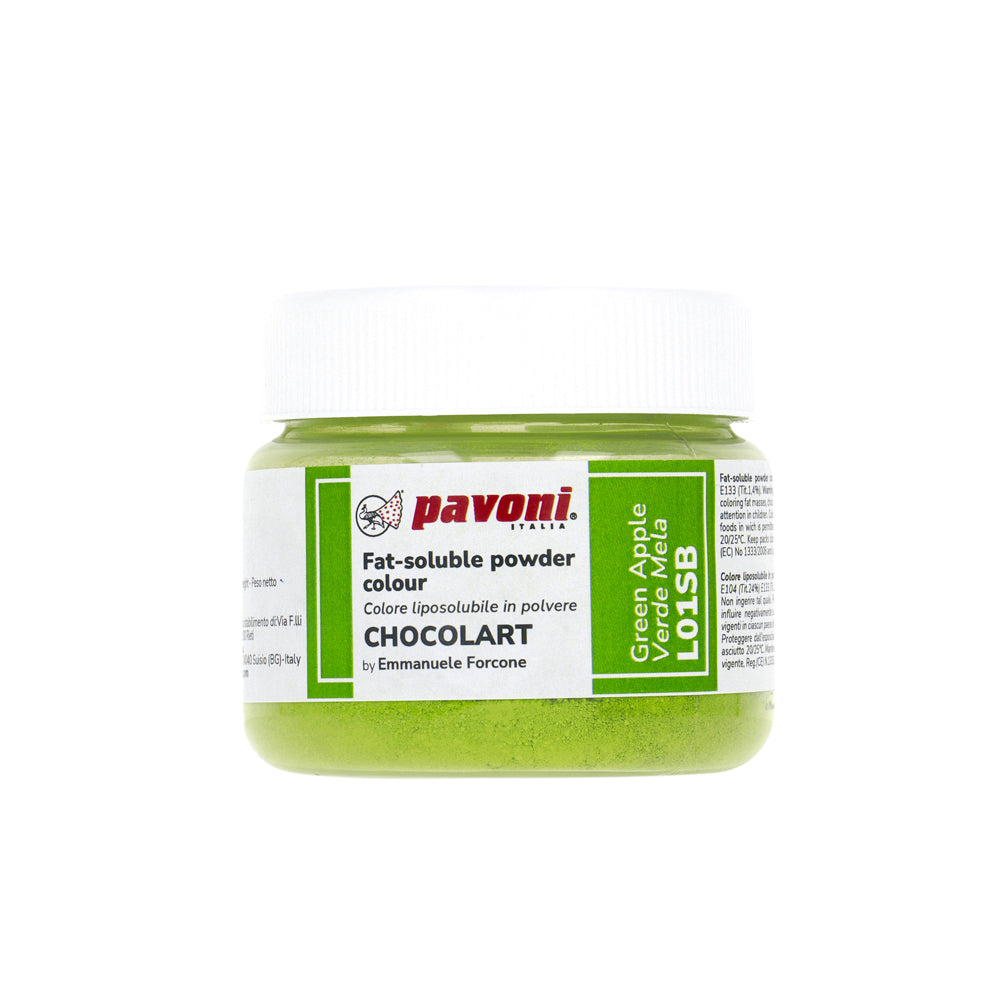
The powdered colors category offers concentrated pigments for creating custom cocoa butter formulations. Fat-soluble powders integrate into melted cocoa butter bases, allowing complete control over intensity and custom shade development. This approach suits operations requiring specific brand colors or seasonal shades unavailable as pre-mixed products.
Building Professional Decoration Capabilities
Mastering cocoa butter coloring elevates chocolate from good to exceptional, creating visual impact that justifies premium pricing while building brand recognition through distinctive aesthetics. Investment in quality colors and proper application equipment pays returns through increased per-piece values and enhanced market positioning.
At Zucchero Canada, we stock comprehensive cocoa butter color ranges from Chocolart, the professional standard for chocolate decoration. Our colored cocoa butter selection includes fundamental primaries, specialty shades, and metallic finishes supporting any creative direction.
Explore our color collection and envision the decorated chocolates defining your brand aesthetic. Our team provides guidance on color selection, mixing techniques, and application methods suited to your specific production approach and skill level. For recommendations on building cohesive color palettes, technical support optimizing application techniques, or assistance selecting compatible spray equipment, contact our knowledgeable staff who understand both the artistic and technical aspects of professional chocolate decoration.
Contact Zucchero Canada: Visit zuccherocanada.ca or reach out directly to discuss your chocolate decoration needs. We support your creative vision with quality materials and practical expertise transforming ideas into stunning edible artistry.