








Creating the iconic buche de Noël or modern cylindrical entremet cakes demands molds that deliver consistent shape while enabling clean demolding of delicate frozen compositions. Silicone log cake molds provide the flexibility and release properties that rigid metal alternatives cannot match, allowing intricate surface textures and complex layered structures to emerge perfectly intact. For pastry operations capitalizing on seasonal yule log demand or developing year-round cylindrical dessert offerings, quality silicone molds prove essential tools supporting both traditional and contemporary approaches.
Why Silicone Transforms Log Cake Production
Release characteristics define silicone's advantages over traditional metal forms. Frozen mousse-based logs slide effortlessly from flexible silicone through simple inversion and gentle flexing, whereas rigid molds require careful warming and coaxing that risks surface damage. This reliable release prevents the tears, smears, and collapses that ruin hours of careful assembly work.
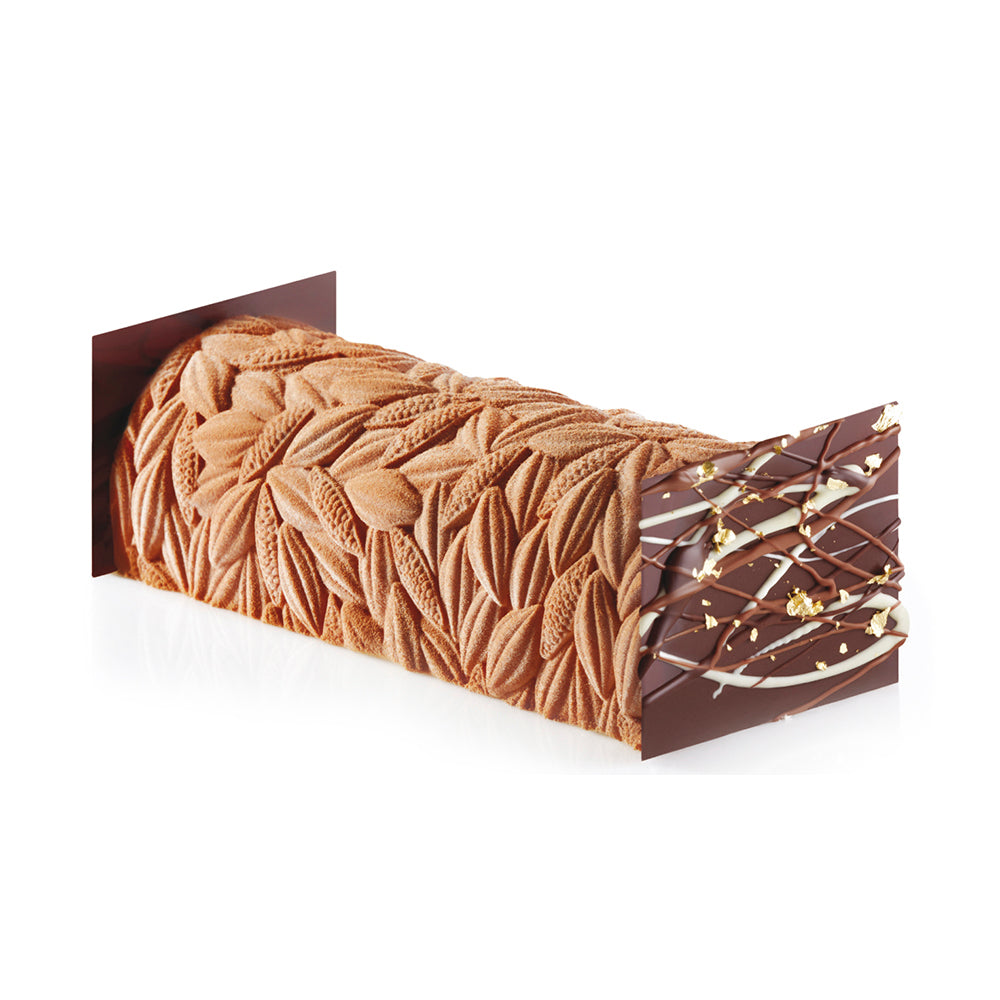
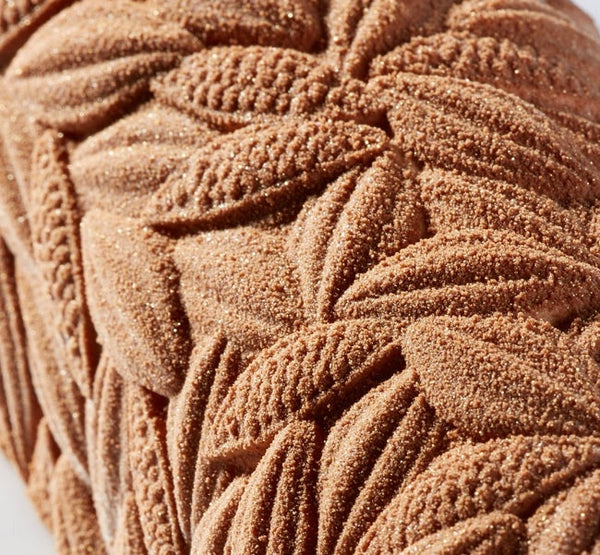
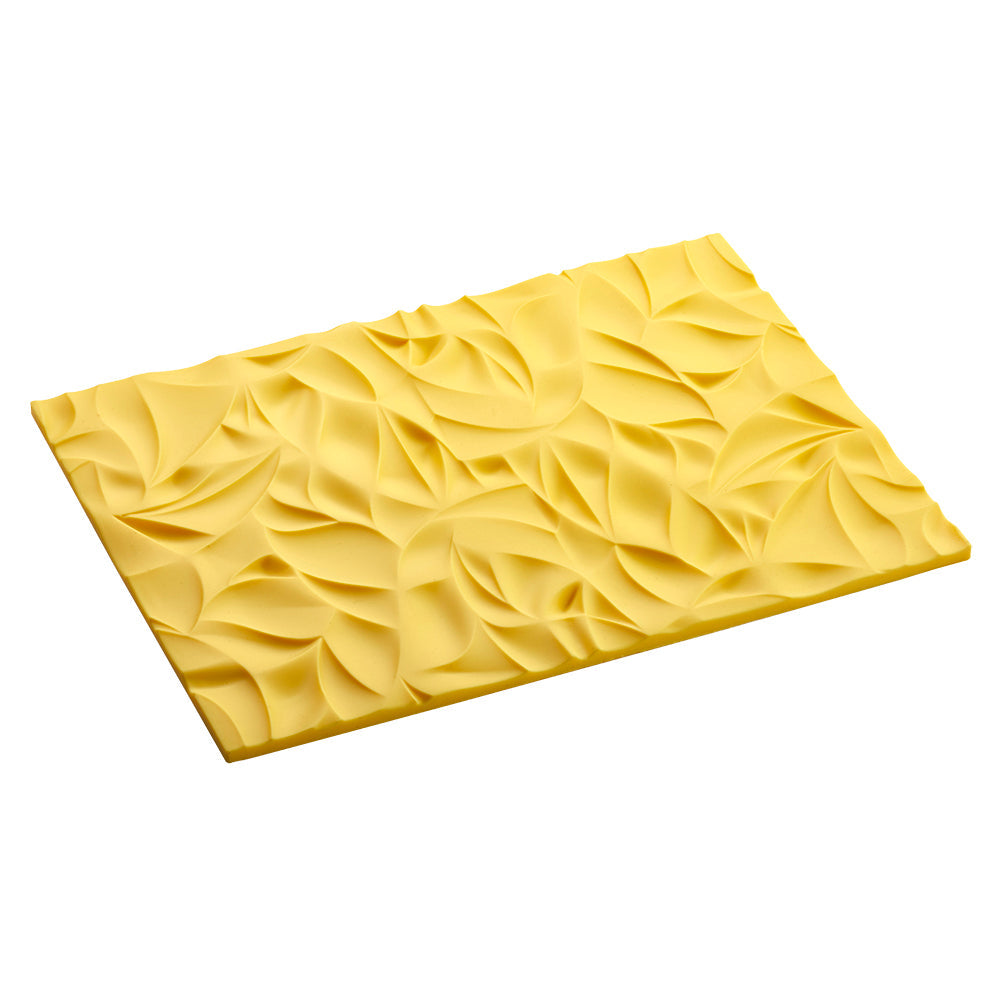
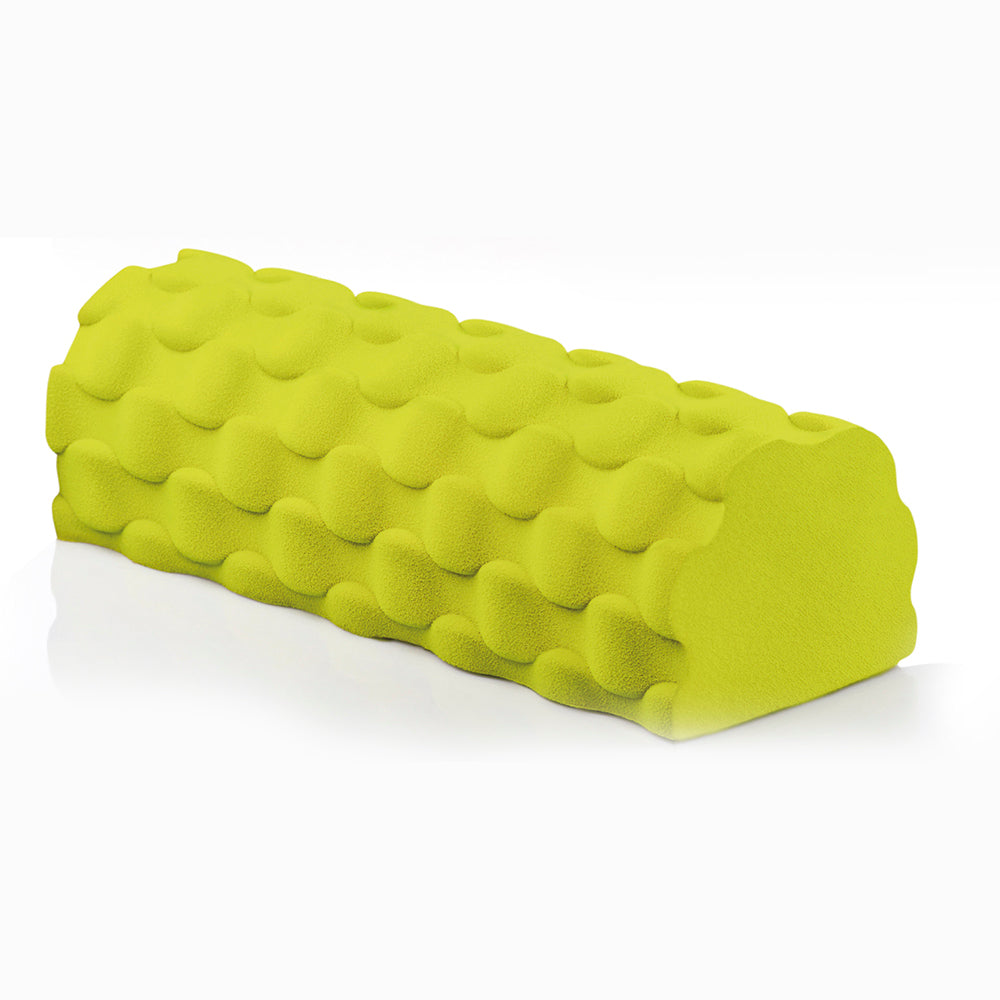
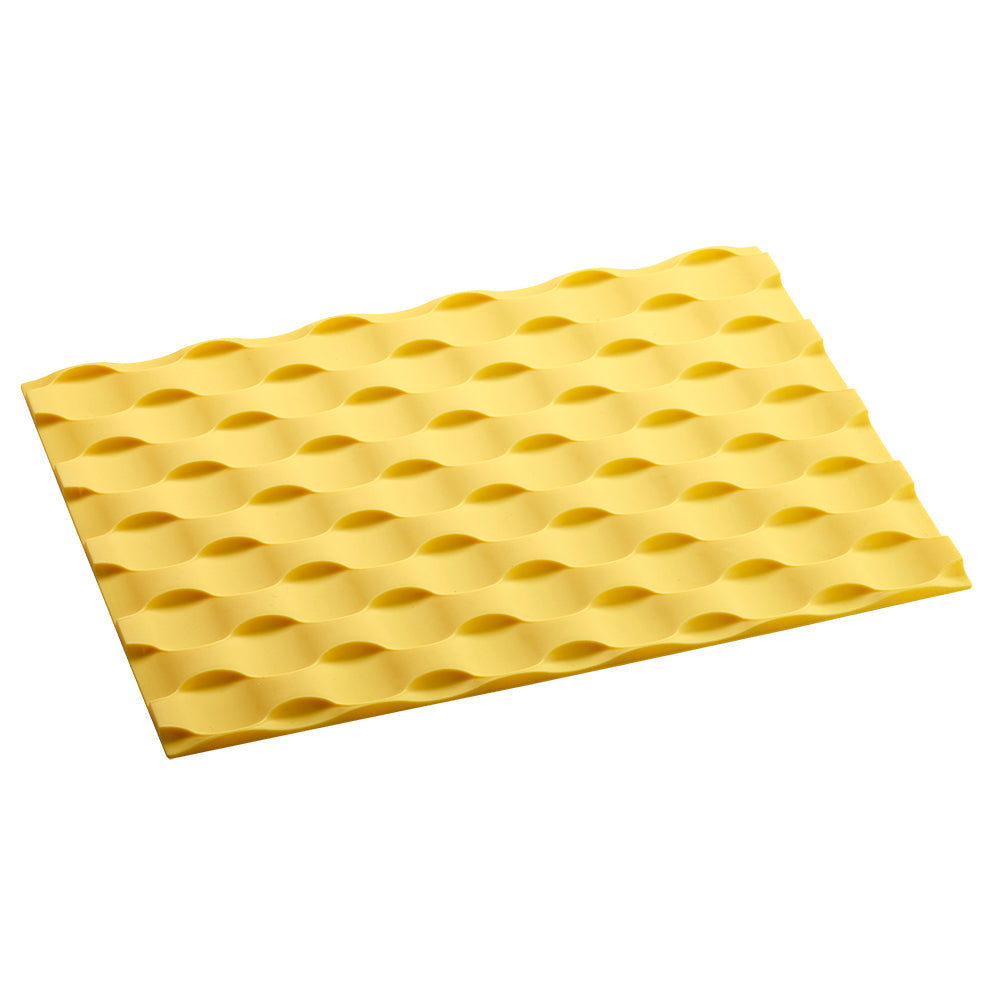
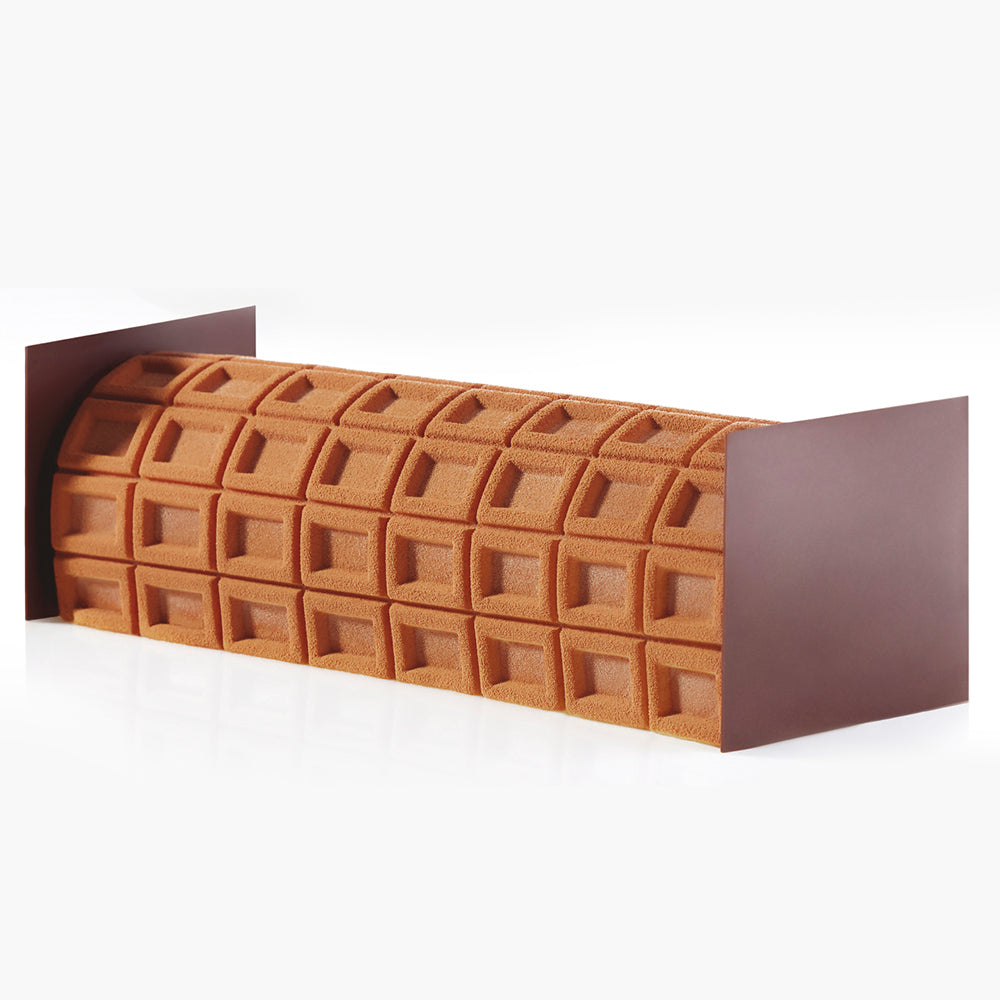
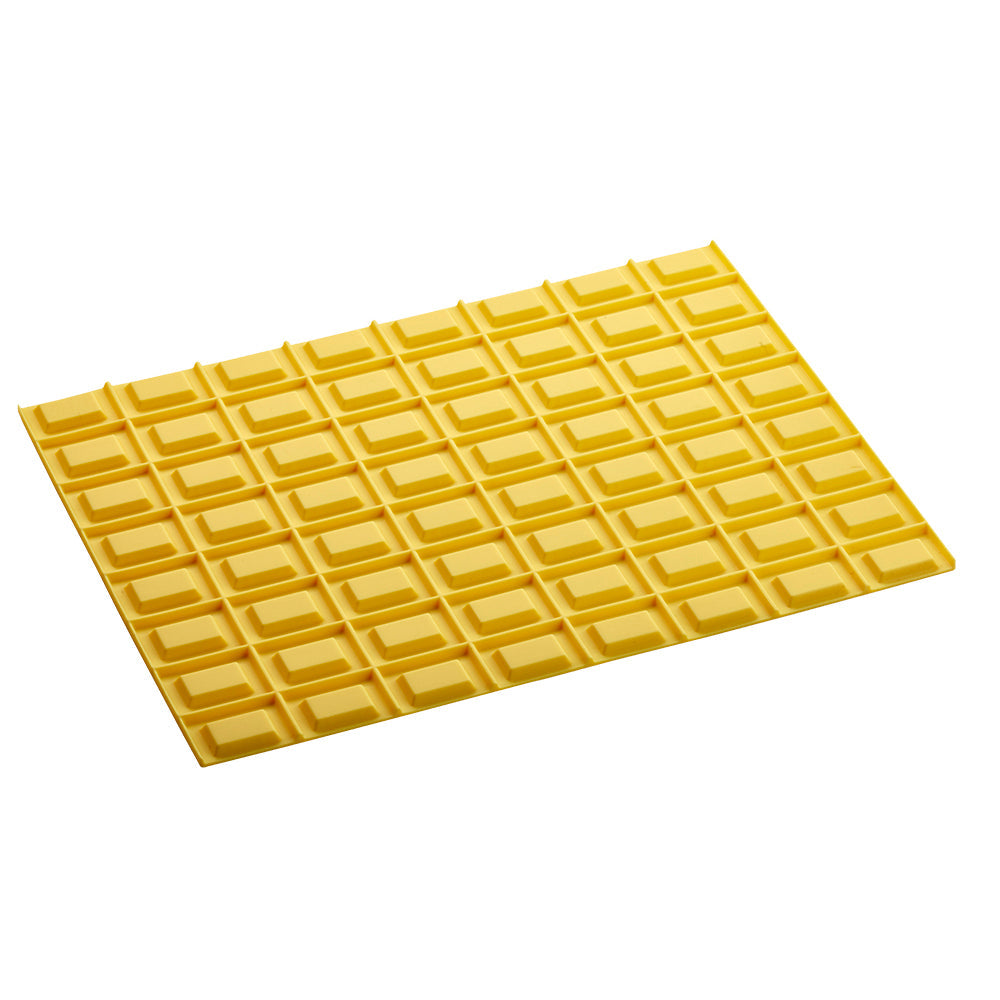
Surface detail reproduction creates visual interest impossible with smooth metal molds. Textured silicone interiors imprint bark patterns, geometric designs, or abstract surfaces onto frozen desserts, eliminating hours of manual decorating labor. The Buche 3D Silicone Cake Mold Log demonstrates how mold design itself contributes decorative elements, reducing finishing time while ensuring consistent professional appearance across production runs.
Temperature tolerance enables using the same mold for both assembly and finishing applications. Silicone withstands freezer temperatures during mousse setting, then transitions to oven use for meringue browning or brief warming without requiring product transfers that risk structural damage. This versatility streamlines production by reducing equipment needs and handling steps.
Durability through proper care ensures years of reliable service. Food-grade silicone resists tearing, staining, and odor absorption that degrade lesser materials. The log cake silicone molds collection emphasizes professional-grade construction delivering consistent performance through intensive commercial use cycles.
Exploring Design Variations
Traditional Yule Log Formats
Classic half-cylinder shapes create the familiar buche de Noël form customers expect during holiday seasons. Standard lengths around 30cm accommodate 8-10 servings, balancing visual impact against practical portion sizes for family gatherings. These traditional molds support familiar aesthetics while enabling modern flavor interpretations—the form signals "Christmas log" even when flavors venture beyond conventional chocolate.
Textured bark patterns eliminate manual decorating labor. Molds with built-in wood grain or rough bark textures create realistic surface detail through the molding process itself. While traditionalists may prefer applying chocolate bark by hand, high-volume operations benefit from automated texture reducing per-unit labor costs significantly.
Size variations accommodate different service requirements. Smaller 20cm logs suit couples or small families, while substantial 40cm versions serve large gatherings or provide dramatic display pieces. Operations maintaining multiple sizes capture broader market segments without developing entirely different product formulations—the same mousse recipe works across all mold sizes.
Contemporary Geometric Designs
Modern interpretations abandon literal log aesthetics for clean geometric forms. Cylindrical molds with smooth surfaces or abstract patterns create contemporary desserts distinguishing progressive operations from traditional competitors. These designs particularly appeal to younger demographics seeking Instagram-worthy presentations rather than nostalgic holiday traditions.
Multi-cavity molds enable individual portion production. Rather than slicing large logs, individual-sized cylindrical desserts plate directly from molds with consistent appearance. This portion-control approach suits restaurant service where uniformity matters, while reducing waste from uneven slicing or dry exposed surfaces on partially consumed logs.
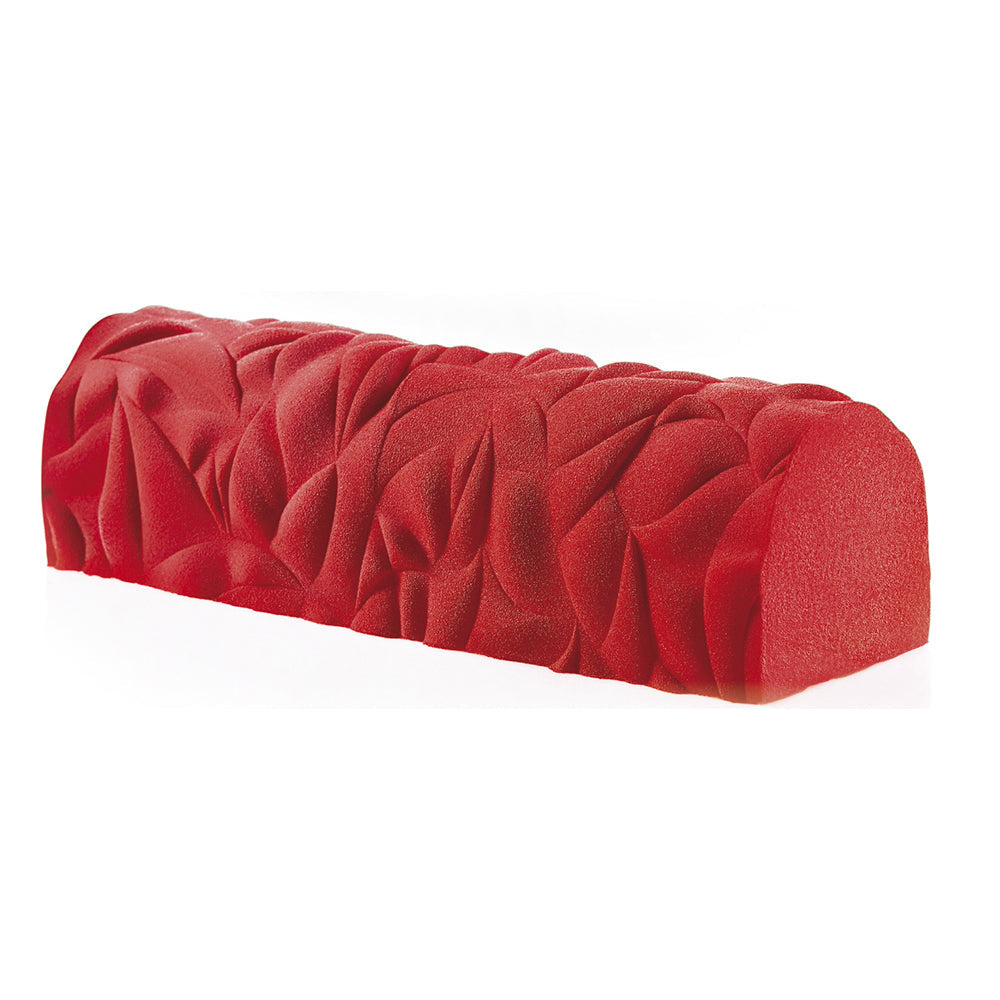
Specialty shapes like the Skyline 3D Silicone Log Mold and Sequoia 3D Silicone Log Mold demonstrate how mold design contributes signature aesthetics. These distinctive forms become brand identifiers that customers recognize and request specifically, building loyalty through visual uniqueness.
Assembly Techniques for Perfect Results
Component Layering Strategies
Building complex logs requires understanding how components interact during freezing and setting. Firmest elements—biscuit joconde or genoise—provide structural cores, while mousses and creams surround them. Strategic component ordering prevents soft layers crushing delicate ones, maintaining intended proportions throughout assembly and final presentation.
Insert elements add surprise and textural variety. Frozen ganache cores, crunchy praline sections, or fruit gelée strips placed within mousse layers create discovery moments as diners slice through logs. These textural contrasts elevate desserts beyond simple mousse cylinders, justifying premium pricing through compositional complexity.
Working with frozen inserts requires timing precision. Components must freeze sufficiently before mousse addition, preventing sinking or floating that disrupts intended placement. Partial freezing—typically 30-45 minutes—sets inserts enough to maintain position while remaining cold enough to bond properly with surrounding mousse layers.
Freezing and Demolding Protocol
Complete freezing before demolding prevents structural collapse. Minimum 6-hour freezer time ensures thorough stabilization, though overnight freezing provides safety margins for delicate compositions. Rushing demolding creates tears or complete failures wasting expensive ingredients and hours of labor.
Gentle warming facilitates release without melting products. Brief room temperature exposure—30-60 seconds—allows mold exteriors to warm slightly while dessert cores remain frozen. This temperature differential causes slight mold expansion breaking adhesion bonds enabling clean release through simple inversion and flexing.
Acetate strips lining molds create perfect smooth sides while easing demolding further. Placing acetate strips food grade inside silicone before assembly prevents mousse contact with mold surfaces. Upon demolding, peeling acetate reveals pristine sides requiring no additional finishing beyond intended glazing or decoration.
Finishing Techniques for Professional Presentation
Glazing Applications
Mirror glaze creates the glossy finish defining contemporary entremet aesthetics. Pouring glaze over frozen logs produces smooth coverage, while excess glaze dripping away leaves clean edges. Temperature control proves critical—glaze too warm melts frozen surfaces, while excessively cool glaze sets before smoothing properly. Understanding chocolate decorations techniques extends to glazing applications requiring similar precision.
Velvet spray creates matte finishes with dramatic visual impact. The food color sprays collection includes velvet formulations producing soft, fabric-like surfaces when applied to frozen logs. This technique works particularly well for modern interpretations where matte finishes signal contemporary sophistication rather than traditional glossy chocolate coatings.
Chocolate coating transforms logs into enrobed specialties. Dipping frozen logs in tempered chocolate creates substantial shells adding textural contrast to soft mousses. This approach particularly suits yule logs where chocolate bark applications benefit from solid chocolate foundations providing adhesion surfaces.
Decorative Embellishments
Meringue mushrooms and traditional garnishes maintain nostalgic appeal for classic yule logs. These handcrafted elements demonstrate artisan skill, justifying premium pricing through visible labor investment. Operations targeting traditional markets benefit from mastering these conventional decorating approaches signaling authentic craftsmanship.
Modern garnishes using cake pastry decorations create contemporary presentations. Geometric chocolate pieces, edible flowers, or metallic leaf accents distinguish progressive interpretations from traditional approaches. These decorations appeal to design-conscious customers seeking visual sophistication beyond conventional holiday aesthetics.
Seasonal Opportunity Maximization
Christmas season generates concentrated demand creating revenue spikes that support year-round operations. Smart scheduling begins log production weeks before holiday demand peaks, building frozen inventory that assembles, finishes, and sells efficiently during the critical late-December period when labor and equipment capacity max out.
Marketing seasonal logs requires early customer education. September catalog releases and October pre-orders capture advance commitments before competitors saturate markets. This early positioning also reveals demand patterns informing production quantities, preventing both shortages losing sales and excess inventory requiring discounting.
Year-round applications prevent seasonal equipment investments sitting idle most months. Cylindrical molds work equally well for summer berry logs, autumn spice variations, or spring floral interpretations. This year-round utilization justifies mold investments through continuous use rather than concentrating costs against single-season revenue.
Strategic Mold Investment Planning
Quality over quantity applies universally. Two excellent silicone log molds producing consistent results outperform five mediocre ones causing frustration and waste. Professional food-grade silicone from established manufacturers costs more initially but delivers reliable performance through years of intensive commercial use.
Size standardization simplifies production planning and pricing. Maintaining one or two standard lengths rather than extensive size ranges reduces complexity while focusing production efficiency. This standardization benefits operations more than the flexibility maintaining numerous sizes theoretically provides, particularly when storage and inventory management factors enter calculations.
The silicone molds for pastry chocolate you select affect not just log cakes but potentially broader dessert programs. Versatile molds serving multiple applications maximize investment returns, while specialized forms suit operations with defined signature items requiring specific equipment.
At Zucchero Canada, we stock professional silicone log cake molds from manufacturers understanding commercial pastry demands. Our log cake silicone molds selection emphasizes food-grade construction and thoughtful design supporting efficient production of both traditional and contemporary cylindrical desserts.
Explore our log mold collection and envision the seasonal and year-round cylindrical desserts that will distinguish your offerings. Our team provides guidance on design selection, assembly technique recommendations, and finishing approaches optimizing your specific market positioning. For assistance developing seasonal programs or technical support perfecting log cake production, contact our knowledgeable staff who understand both the artistic vision and practical execution requirements of professional pastry work.