

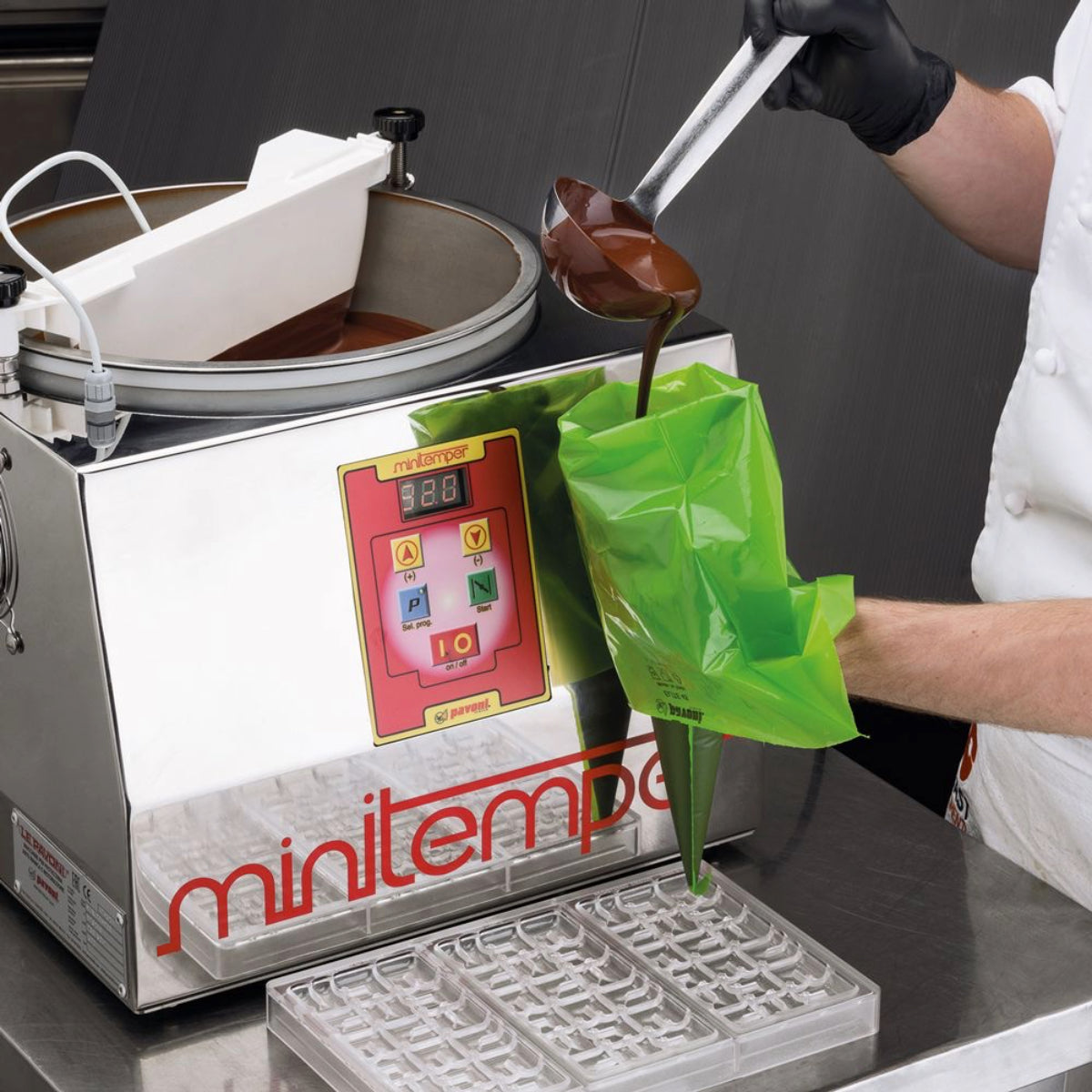







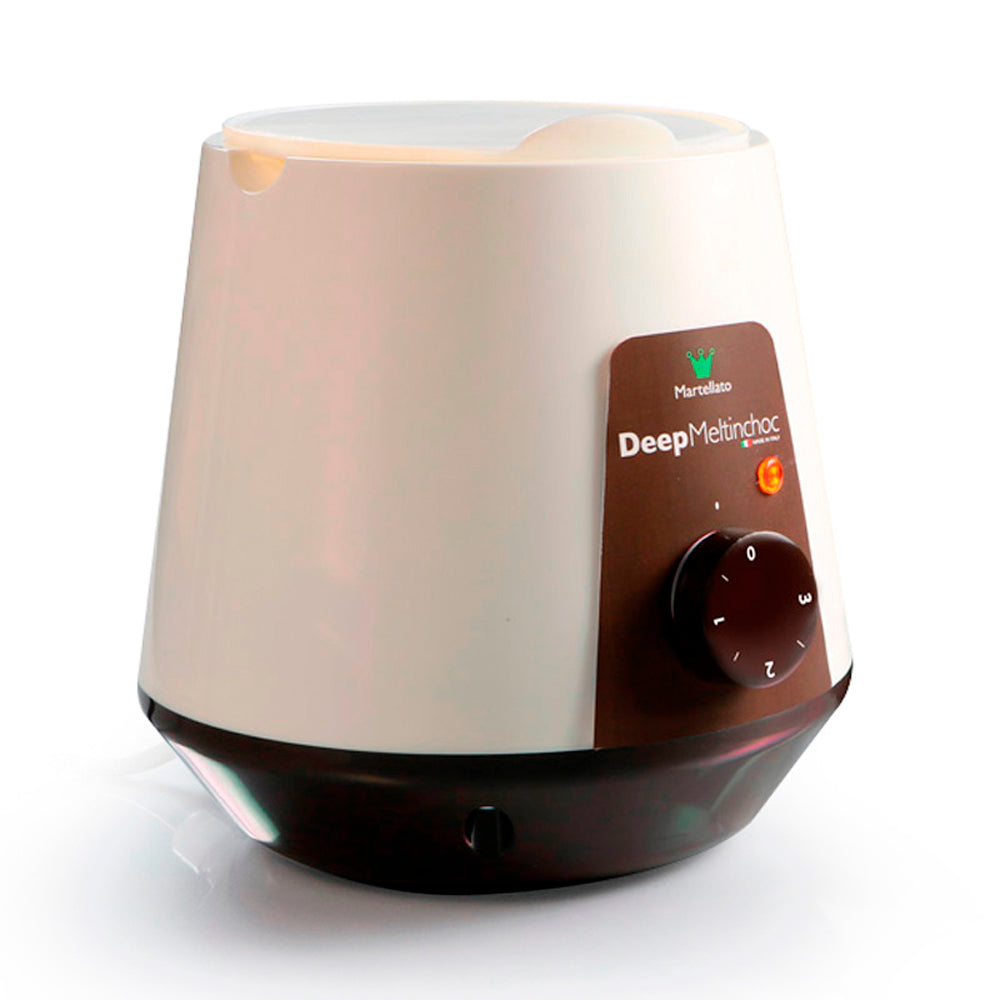

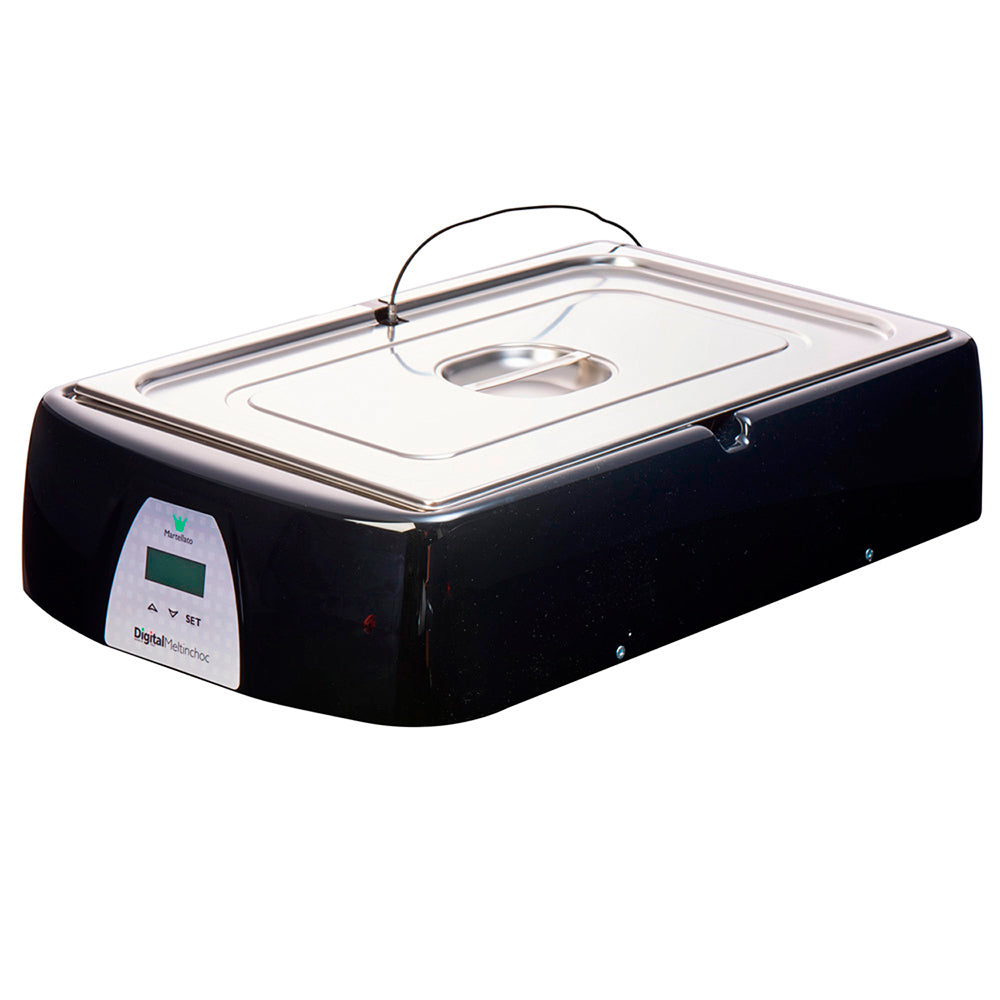

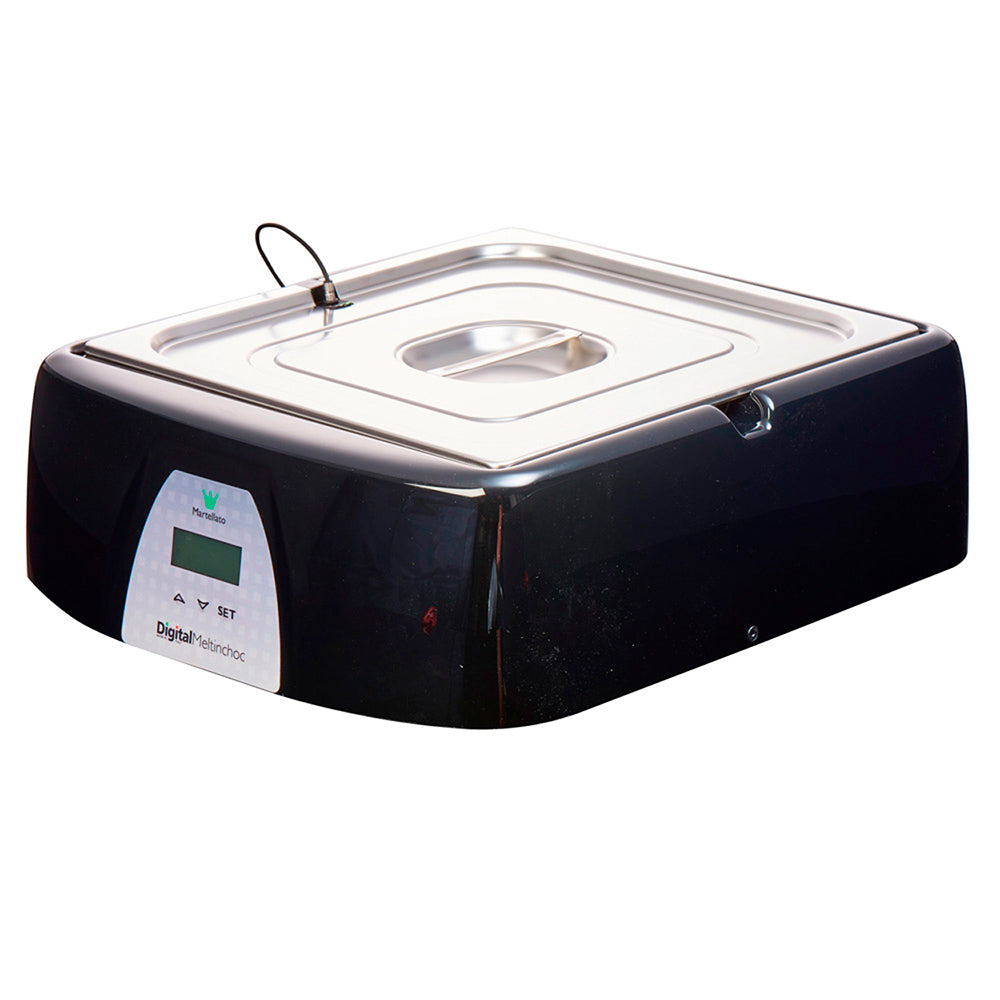

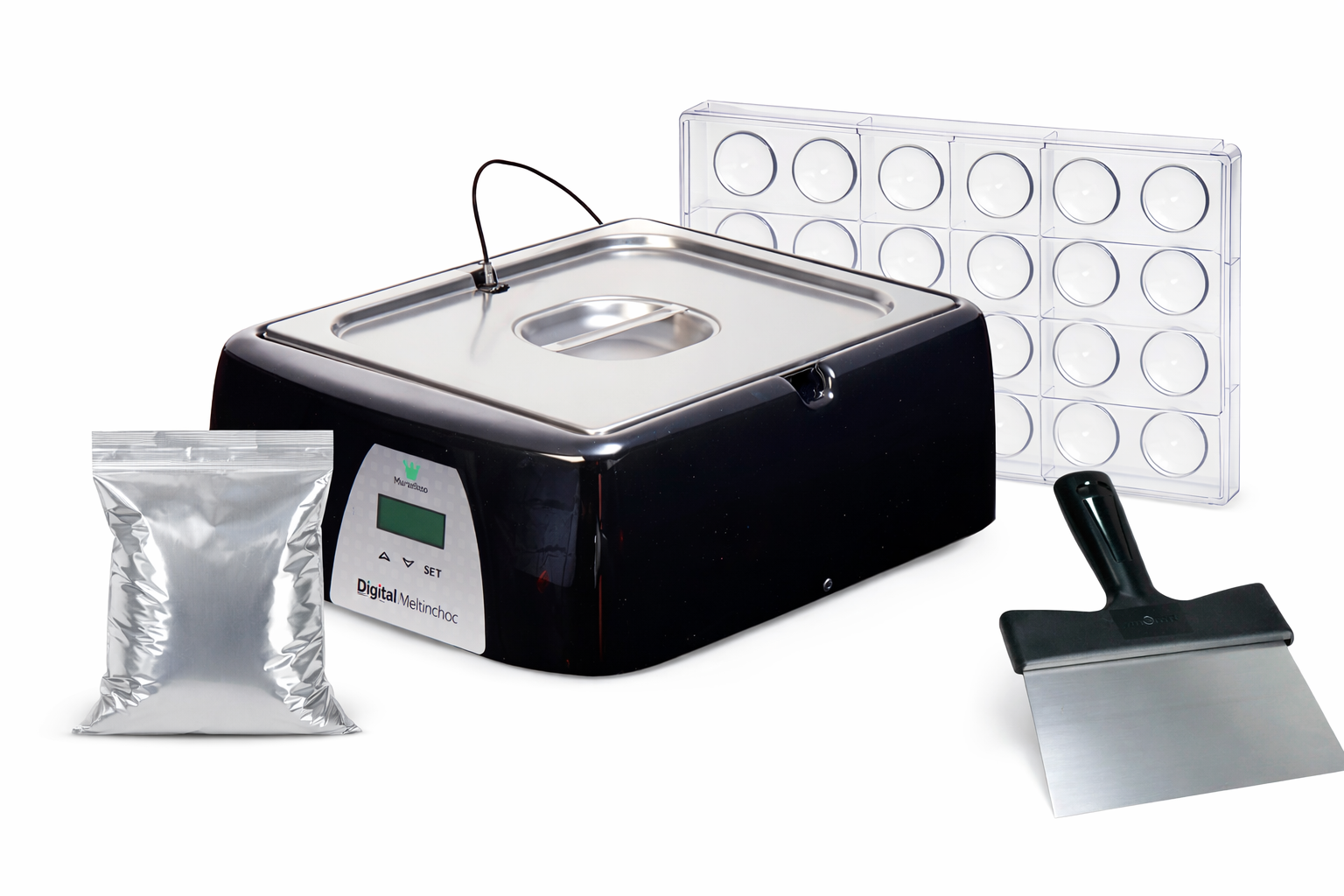
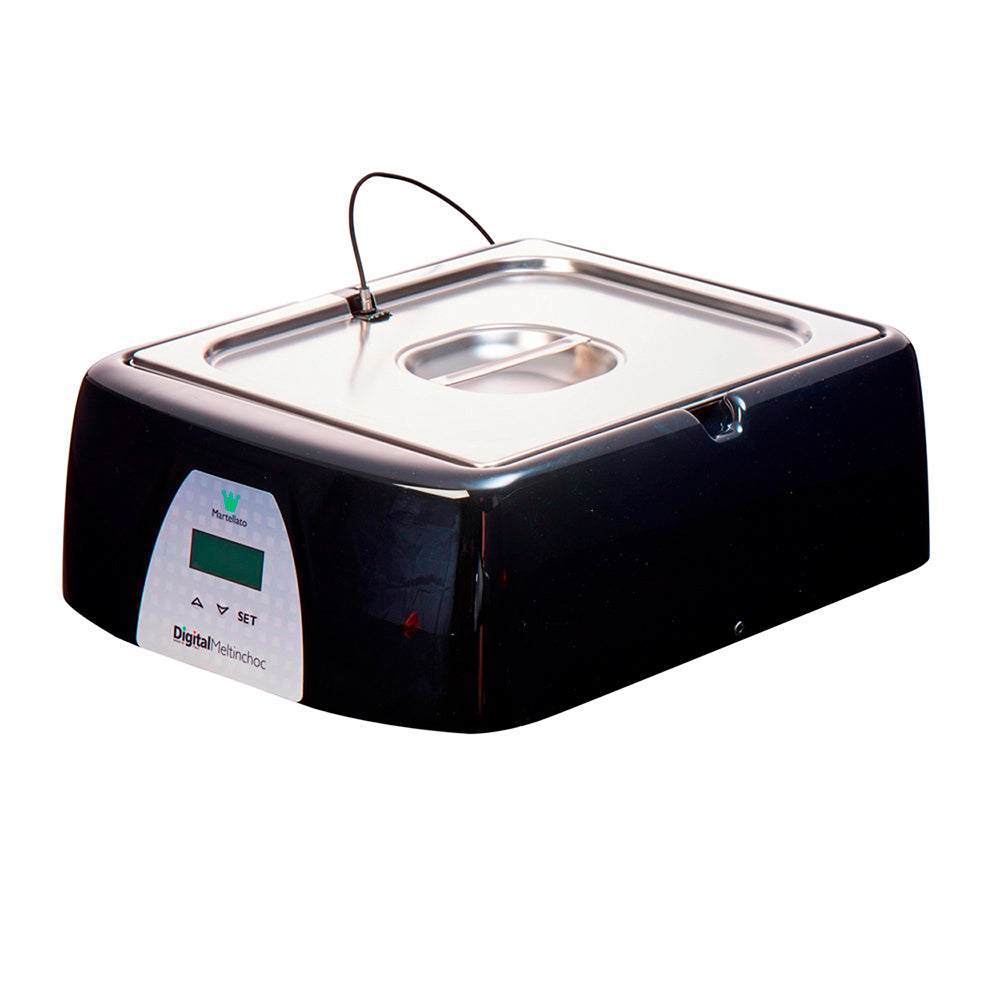
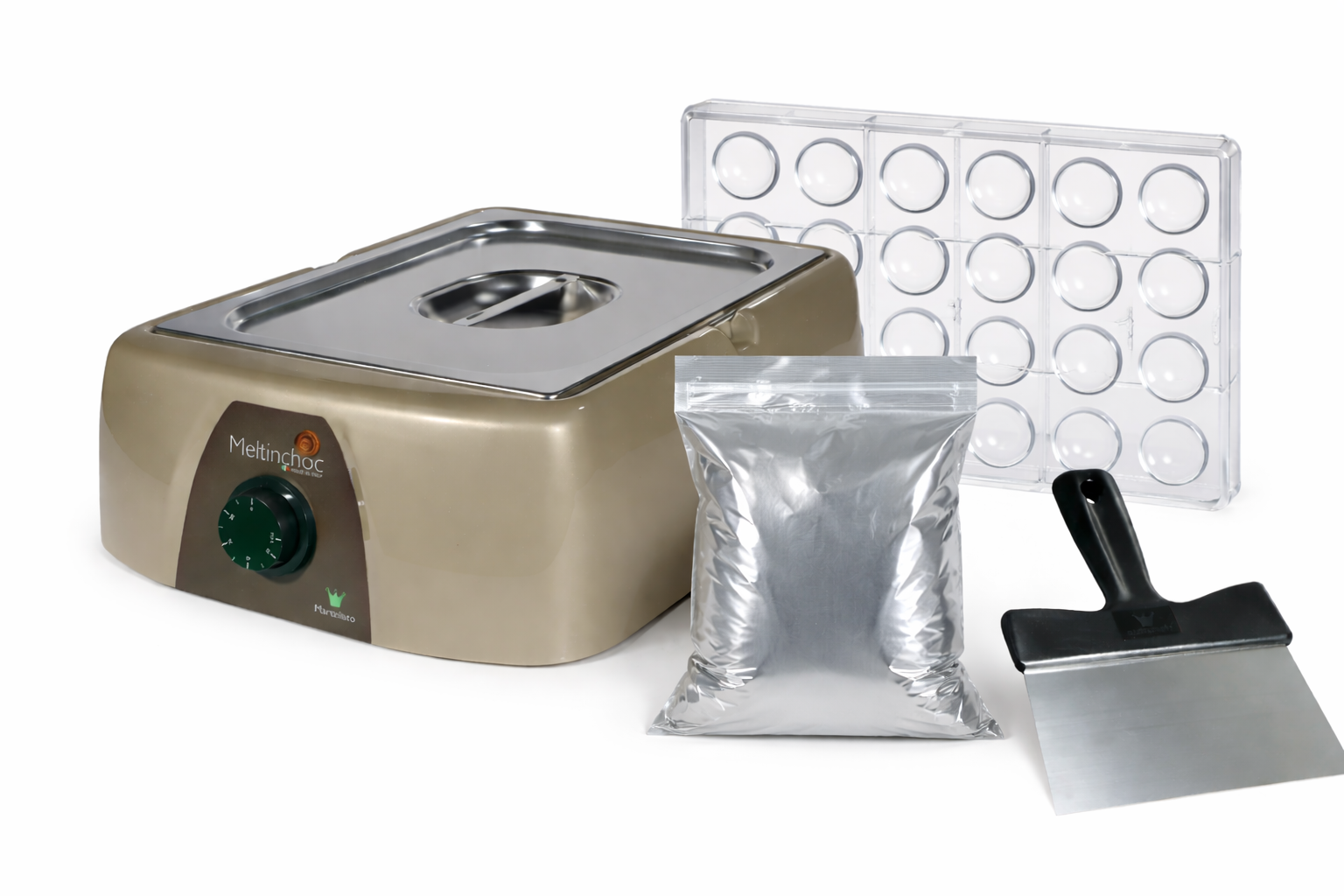
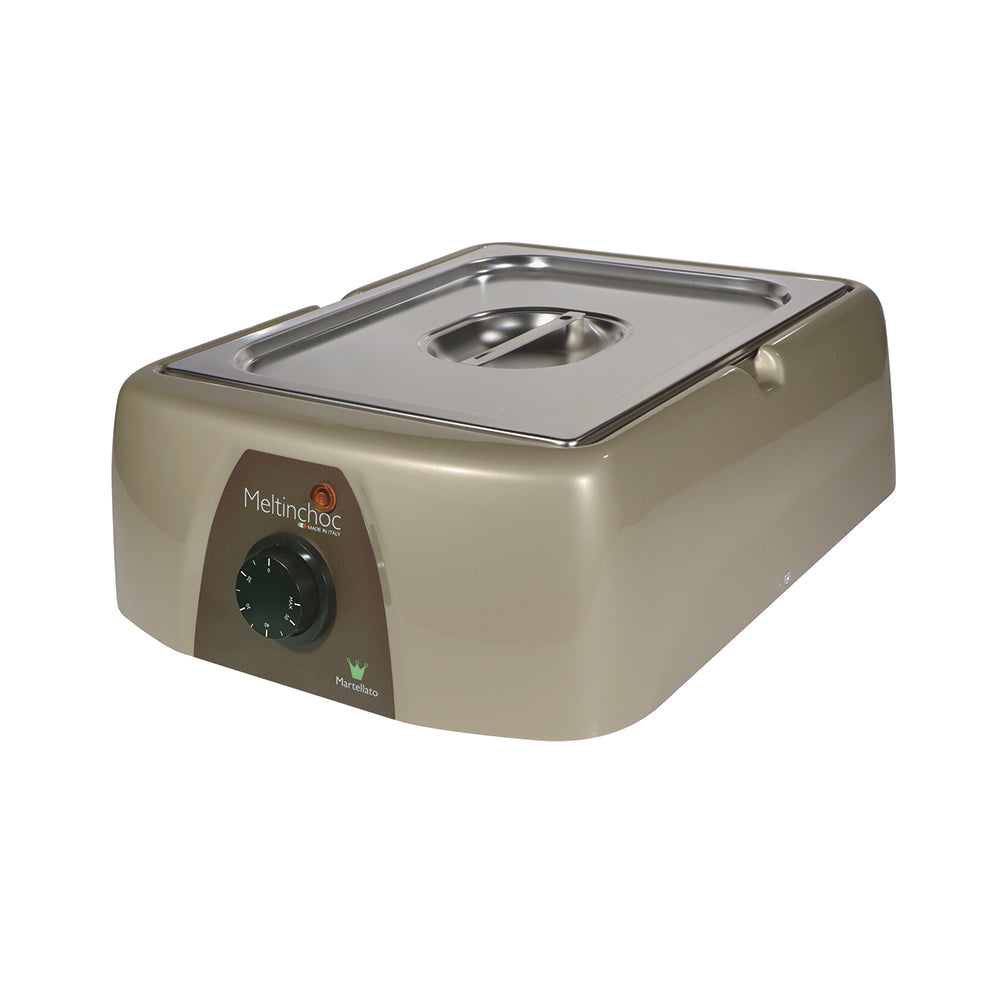
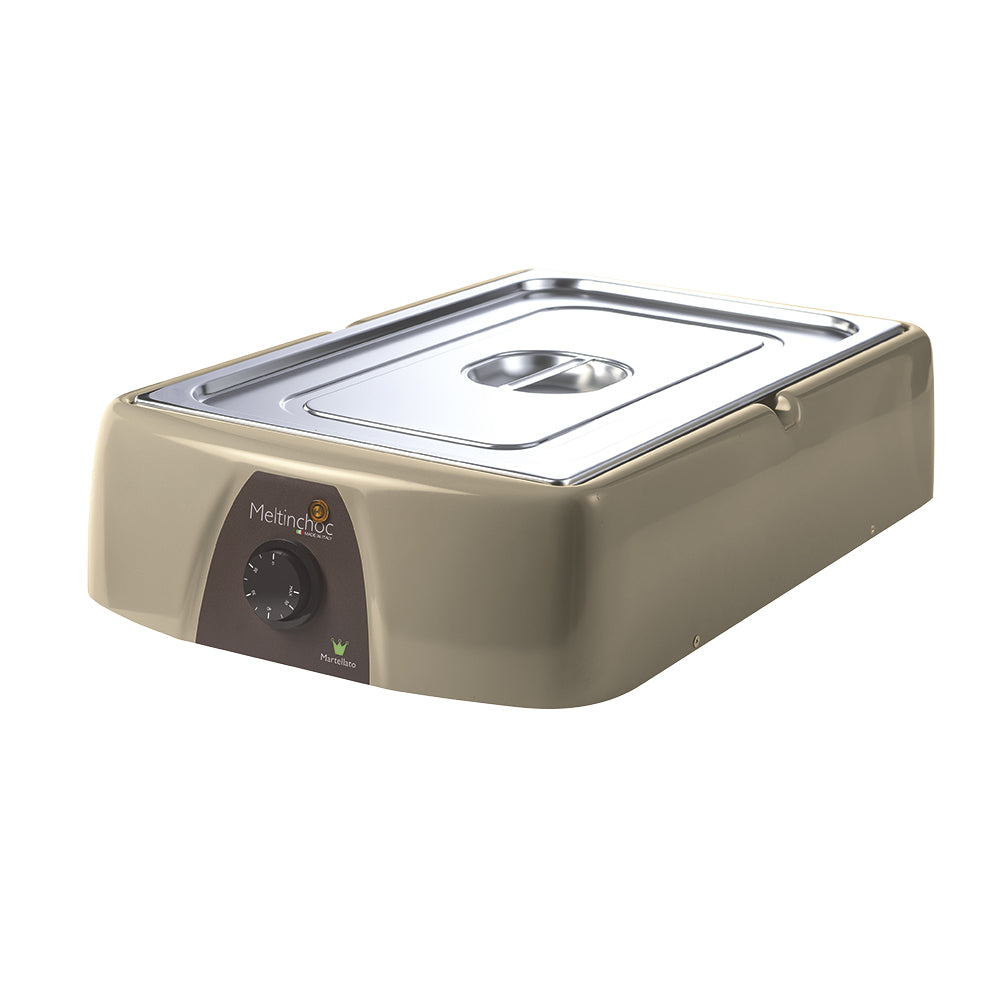
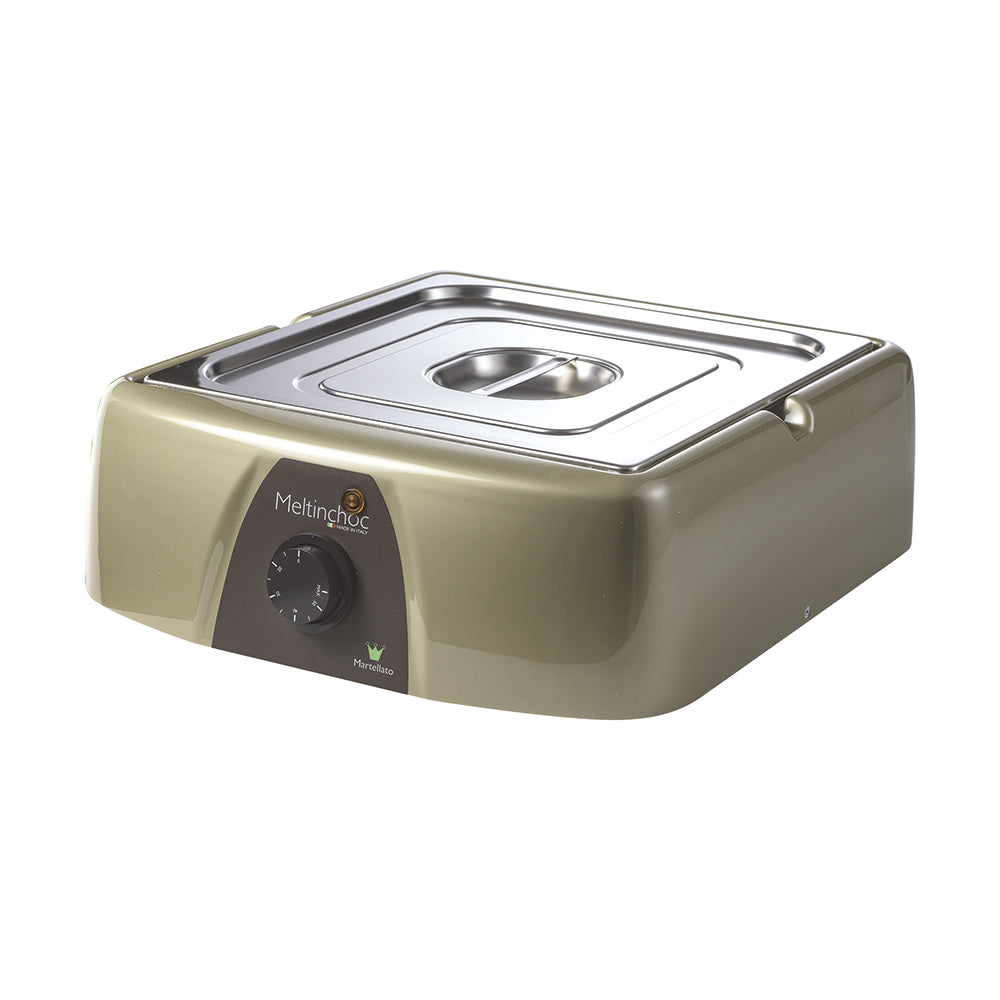
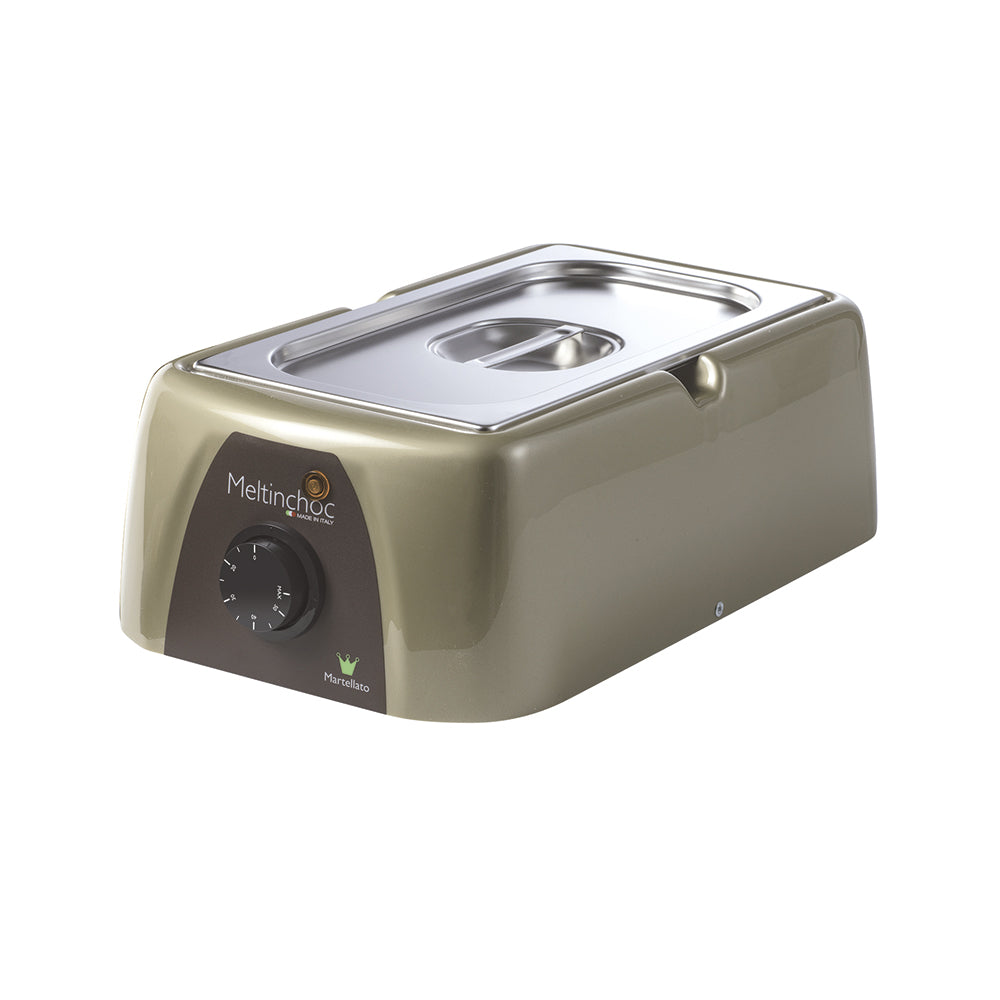




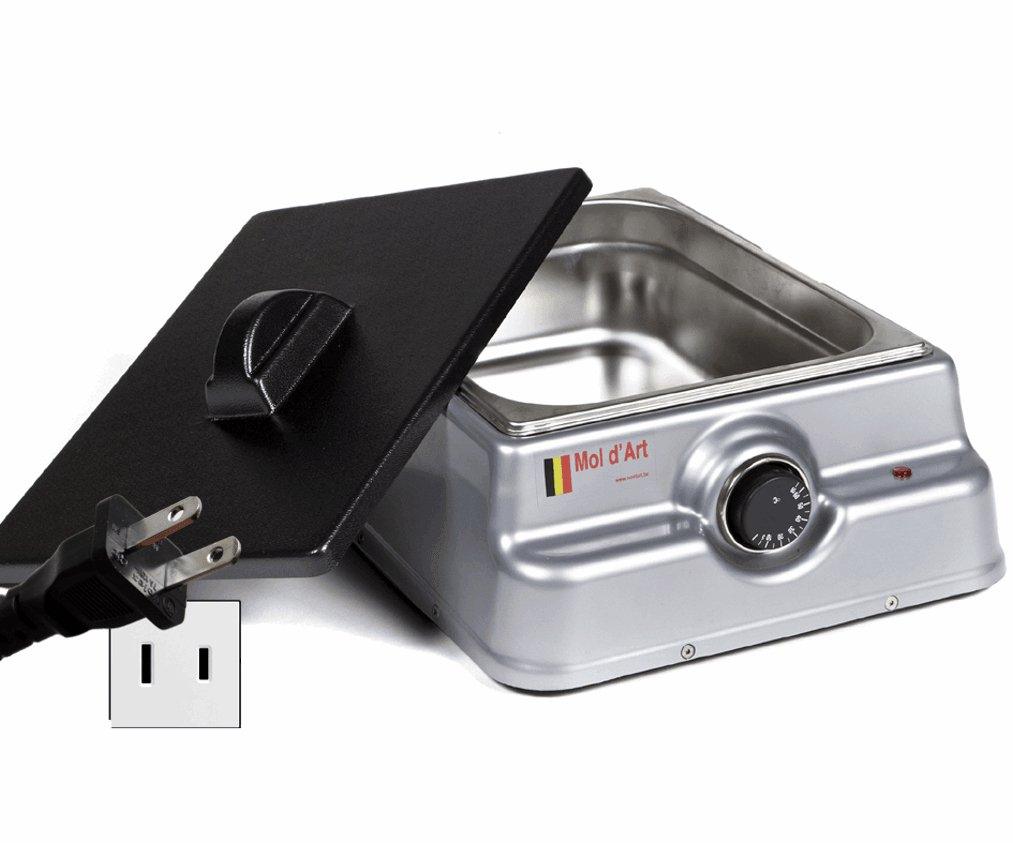

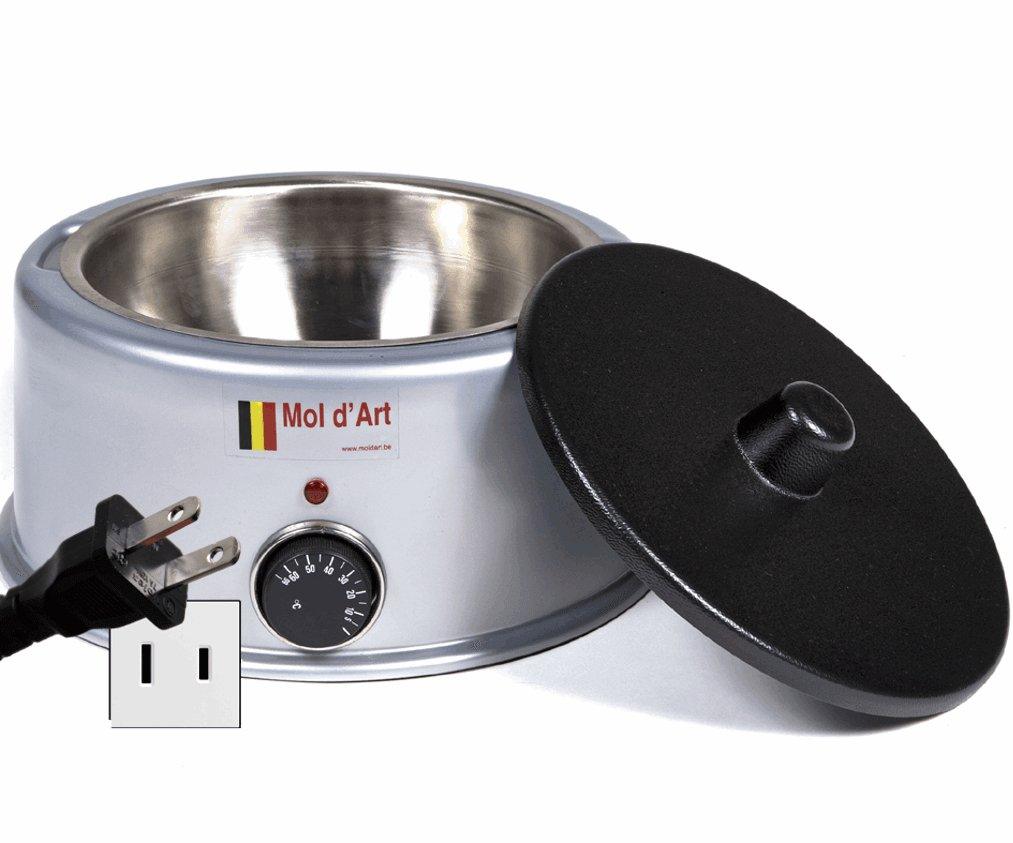

Maintaining chocolate at precise working temperatures separates professional operations from makeshift solutions. A chocolate melter machine provides the consistent heat management that double boilers and microwave methods cannot deliver, keeping chocolate fluid and workable throughout extended production runs. For operations producing dipped truffles, molded bars, or decorated pastries, reliable melting equipment eliminates the constant reheating interruptions that destroy production rhythm and waste time.
What Professional Melters Actually Deliver
Temperature stability represents the core benefit distinguishing commercial chocolate melters from improvised heating methods. Chocolate demands narrow temperature ranges—typically 31-32°C for dark, 29-30°C for milk, and 28-29°C for white varieties. Professional melters maintain these exact temperatures automatically through thermostatic controls, preventing the overheating that damages flavor or the cooling that causes premature thickening.
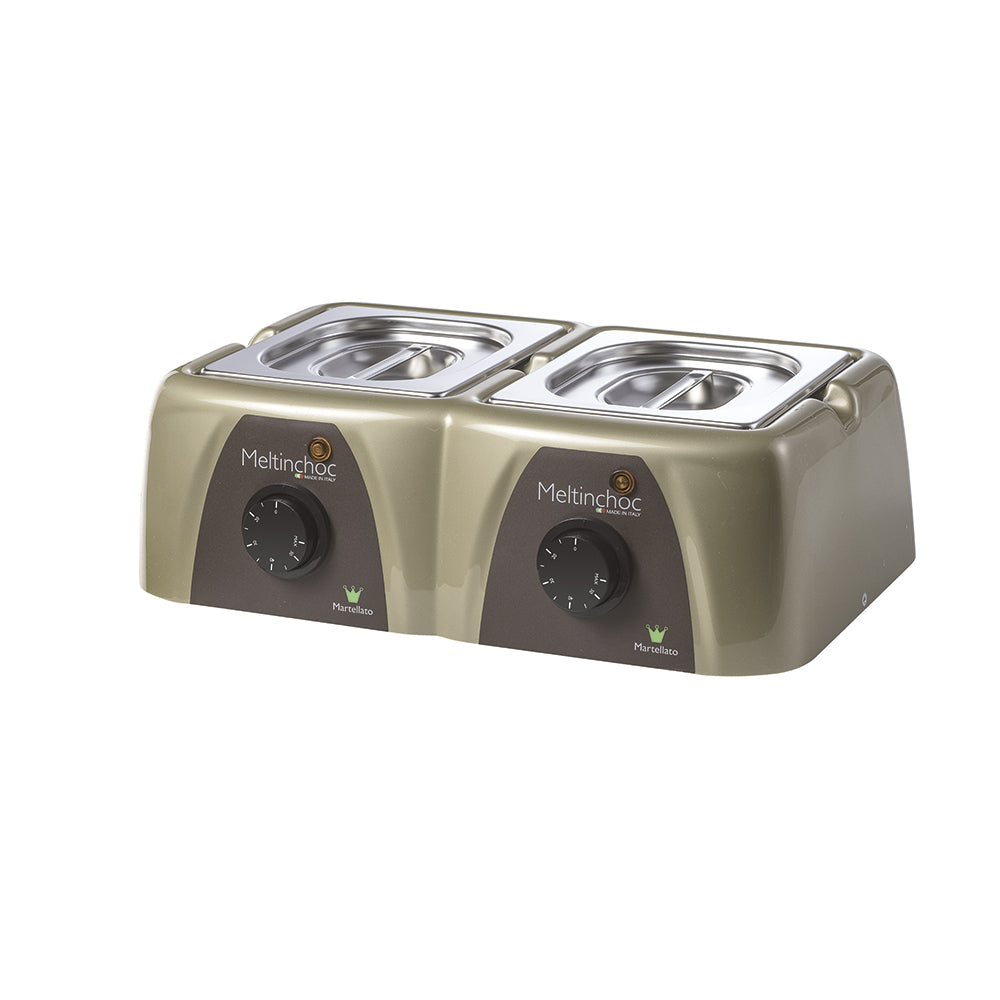
Capacity matching production volume eliminates constant refilling that interrupts workflow. A 3kg melter suits artisan operations producing modest daily volumes, while 6-10kg units serve bakeries incorporating chocolate work alongside other products. The Mol Dart Chocolate Melter 3 kg capacity provides reliable performance for smaller batches, whereas the Chocolate Melter 6 kg capacity Mol Dart handles higher-volume requirements without demanding excessive counter space.
Energy efficiency in modern units reduces operating costs compared to continuous stovetop heating. Insulated tanks retain warmth effectively, requiring minimal power to maintain set temperatures once chocolate reaches working conditions. This efficiency matters during extended production sessions where equipment runs for hours—lower power consumption translates directly to reduced utility expenses over equipment lifespan.
Mol Dart: Industry-Standard Reliability
Mol Dart melters dominate professional kitchens through engineering focused specifically on chocolate's thermal requirements. These Italian-manufactured units deliver the precision control and build quality that commercial operations demand, handling daily use without the failures common in consumer-grade equipment.
The Mol Dart chocolate melters range offers graduated capacities matching different operational scales. Compact models fit space-limited countertops while delivering professional temperature management, whereas larger units accommodate operations where chocolate work constitutes primary production activity rather than occasional need.
Stainless steel construction ensures sanitary conditions and longevity under commercial kitchen demands. Removable bowls facilitate thorough cleaning between chocolate types, preventing flavor contamination when switching from dark to white chocolate. Digital temperature displays provide real-time monitoring, allowing immediate adjustments maintaining optimal working viscosity throughout production.
Capacity Planning for Your Operations
Selecting appropriate melter size requires honest assessment of typical production volumes. Undersized equipment creates bottlenecks forcing constant chocolate preparation, while excessive capacity wastes counter space and energy heating unused volume. Calculate your peak chocolate consumption during busy production periods rather than average daily use—equipment must handle maximum demands without becoming limiting factors.
Consider production patterns when evaluating capacity needs. Operations conducting intensive chocolate work during specific shifts benefit from larger single units, while those producing chocolate items intermittently throughout days might prefer multiple smaller melters dedicated to different chocolate types. This approach eliminates cleaning between varieties while maintaining ready-to-use chocolate constantly available.
Growth projections influence equipment selection. Purchasing slightly larger capacity than current needs accommodates business expansion without immediate replacement requirements. However, excessive oversizing creates inefficiencies where small batches heat in oversized tanks, wasting energy while potentially degrading chocolate through extended heating periods.
Integrating Melters with Production Workflow
Melting equipment forms one component within complete chocolate production chains. Properly tempered chocolate often begins in melters before moving to tempering machines establishing crystal structure. Understanding this relationship prevents purchasing melters expecting tempering functionality they don't provide—melters maintain temperatures but don't perform the cooling and reheating cycles tempering requires.
Positioning equipment strategically within production spaces affects efficiency. Melters located near molding or dipping stations minimize chocolate transport distances, reducing spill risks while maintaining optimal working temperatures. Conversely, poor placement creates unnecessary movement that wastes time and increases contamination possibilities.
Supporting equipment complements melter functionality. Quality pastry baking tools handle chocolate transfer and application, while proper chocolate molds receive melted chocolate prepared in commercial melters. This systems approach ensures investments in individual equipment pieces create cohesive production capabilities rather than disconnected tools.
Maintaining Performance Standards
Regular cleaning maintains chocolate quality and equipment performance. Cocoa butter residue accumulates on heating elements and tank walls, affecting heat transfer efficiency while potentially contaminating subsequent batches with stale flavors. Daily cleaning using appropriate solutions prevents buildup that shortens equipment lifespan or degrades chocolate quality.
Temperature calibration verification ensures accuracy over time. Even quality equipment experiences sensor drift after extended use—periodic testing against reference thermometers confirms displayed temperatures match actual conditions. This validation prevents the temperature inaccuracies that cause production failures blamed incorrectly on technique rather than equipment malfunction.
Preventive maintenance extends operational life significantly. Checking electrical connections, inspecting heating elements, and verifying thermostat function catches developing problems before they cause failures during critical production periods. Scheduled maintenance during slow periods prevents emergency repairs interrupting busy seasons when chocolate equipment downtime creates revenue losses.
Beyond Basic Melting Functions
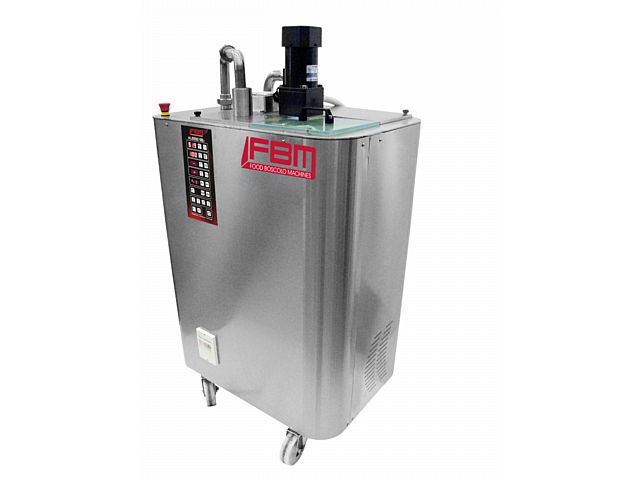
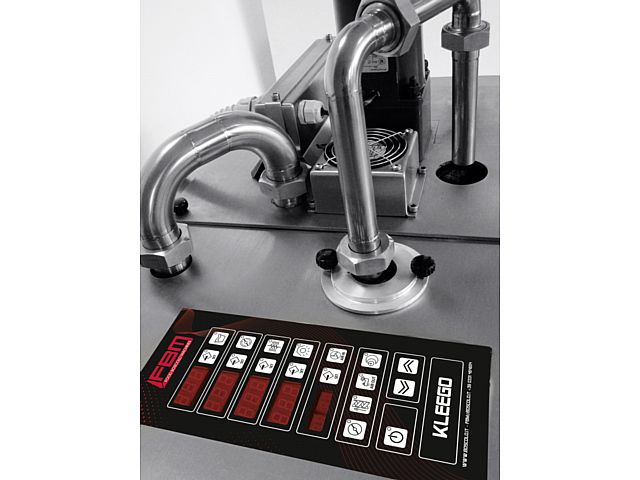
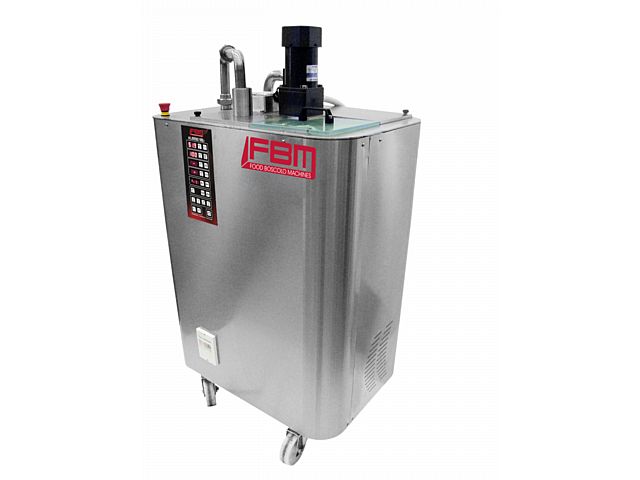
Some operations benefit from melters integrating additional functionality. Units combining melting with tempering capabilities eliminate separate equipment needs, though at higher costs reflecting increased complexity. The FBM Kleego 50 Chocolate Melter Conche demonstrates multi-function integration handling melting, conching, and tempering within single vessels—valuable for operations prioritizing space efficiency over specialized equipment.
Heated holding functions maintain prepared chocolate at working temperatures throughout production days. Rather than melting chocolate immediately before use, operations can prepare morning batches that remain fluid for hours, supporting continuous workflow without repeated preparation cycles. This capability suits bakeries producing chocolate items intermittently throughout shifts rather than concentrated production runs.
Learning proper chocolate melting tips maximizes equipment effectiveness. Understanding optimal chunk sizes for even melting, appropriate temperature ranges for different chocolate types, and techniques preventing moisture contamination ensures equipment delivers its full potential rather than becoming victims of operator errors producing inconsistent results.
Making Equipment Decisions That Actually Work
Purchasing chocolate melting equipment requires matching capabilities to genuine operational needs rather than aspirational production volumes. Honest assessment of current chocolate usage patterns reveals appropriate capacity ranges, while realistic growth projections inform decisions about sizing for future expansion versus immediate requirements.
Budget considerations extend beyond purchase prices to operating costs and durability. Commercial-grade melters cost substantially more than consumer equipment but deliver reliability and longevity justifying premiums. Calculate total cost of ownership over expected 5-10 year equipment lifespans rather than focusing exclusively on initial investments—professional equipment's superior performance and durability often proves more economical long-term than cheaper alternatives requiring frequent replacement.
The chocolate melting machines collection at Zucchero Canada emphasizes proven commercial equipment from manufacturers understanding professional kitchen demands. We stock capacity ranges from compact artisan units to substantial commercial melters, supporting operations at every production scale.
Equipping for Chocolate Success
Quality chocolate melting equipment forms the foundation enabling consistent production that builds customer loyalty and business growth. The right melter maintains chocolate in perfect working condition throughout production, eliminating temperature frustrations that waste time and materials while producing inferior results.
Browse our chocolate melter selection and identify equipment matching your production requirements and workspace constraints. Our team provides guidance on capacity selection, feature comparison, and equipment integration within complete chocolate production workflows. For detailed specifications, capacity recommendations, or technical support optimizing melter performance, contact our experienced staff who understand both equipment capabilities and practical chocolate production realities.
Contact Zucchero Canada: Visit zuccherocanada.ca or reach out directly to discuss your chocolate melting needs. We support your production success with reliable commercial equipment and practical expertise ensuring your chocolate work meets professional standards consistently.